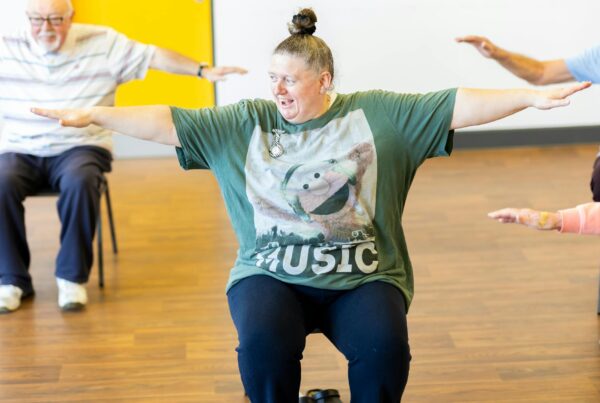
Exploring Senior-Friendly Fitness Programs: From Water Aerobics to Chair Yoga
Key Takeaways
-
Regular physical activity for seniors significantly reduces the risk of falls, improves mobility, and helps maintain independence at home
-
Low-impact exercises like water aerobics, chair yoga, and tai chi offer safe fitness options that accommodate various mobility levels and health conditions
-
Senior fitness programs provide valuable social interaction that combats isolation and improves mental health alongside physical benefits
-
Starting with just 10-15 minutes of activity daily and gradually increasing duration can help seniors safely build strength and endurance
-
Advanced Care offers personalized support to help seniors incorporate appropriate exercise routines into their daily lives while ensuring safety and proper technique
Why Is Exercise Important for Seniors Even with Mobility Challenges?
Regular physical activity remains essential for seniors regardless of age or physical limitations. Even modest amounts of exercise can significantly improve balance, strength, and flexibility, which directly supports independent living. The key is finding appropriate, enjoyable activities that accommodate individual health conditions and mobility levels while providing meaningful health benefits.
Understanding the Importance of Senior Fitness
Maintaining an active lifestyle becomes increasingly important as we age, yet many seniors face unique challenges that can make traditional exercise programs seem intimidating or inaccessible. According to the Centers for Disease Control and Prevention, only about 28-34% of adults aged 65-74 are physically active, with numbers declining further after age 75. This statistic is concerning because regular physical activity is particularly crucial during the senior years.
Physical activity for older adults isn’t just about maintaining muscle mass or cardiovascular health—though these are important benefits. Regular exercise helps seniors maintain independence by improving balance and reducing fall risk, which is a leading cause of injury among older adults. The National Institute on Aging reports that strengthening exercises can reduce fall risk by up to 40% when performed regularly.
Beyond physical benefits, senior fitness programs offer significant mental and emotional advantages. Exercise stimulates the production of endorphins, which naturally elevate mood and combat depression—a condition that affects approximately 7% of the senior population. Group fitness classes specifically designed for seniors provide social interaction opportunities that combat isolation, a growing concern among older adults living at home.
For those managing chronic conditions like arthritis, diabetes, or heart disease, appropriate exercise can help manage symptoms and improve quality of life. Low-impact activities reduce stress on joints while still providing cardiovascular benefits. Water-based exercises, for instance, reduce the body’s weight by approximately 90% when submerged to neck level, making movement significantly easier for those with joint pain or mobility issues.
The cognitive benefits of regular physical activity cannot be overstated. Research published in the Journal of Alzheimer’s Disease indicates that regular exercise can reduce the risk of developing dementia by up to 50%. Even for those already experiencing cognitive decline, physical activity has been shown to slow progression and improve daily functioning.
Despite these compelling benefits, many seniors remain hesitant to begin fitness programs due to fear of injury, uncertainty about appropriate exercises, or lack of guidance. This is where specialized senior fitness programs become invaluable—they provide safe, structured environments with trained professionals who understand the unique needs of aging bodies.
Types of Senior-Friendly Fitness Programs
-
Water-Based Exercise Programs: Water aerobics and aquatic therapy represent some of the most joint-friendly exercise options available to seniors. The buoyancy of water reduces pressure on joints while providing natural resistance for strength building. Classes typically include movements that improve cardiovascular health, flexibility, and muscle tone without the impact concerns of land-based exercises. Water temperatures between 83-88°F are ideal for senior exercise programs, warm enough to prevent muscle tension but cool enough to prevent overheating during activity. Many participants report up to 40% reduction in joint pain after regular participation in water exercise programs.
-
Chair-Based Exercise Programs: Chair yoga, chair tai chi, and seated strength training offer excellent options for seniors with balance concerns or limited mobility. These programs adapt traditional movements to be performed while seated or using a chair for support. Chair yoga, for example, modifies traditional poses to accommodate limited flexibility and balance, while still providing benefits like improved posture, better breathing capacity, and reduced stress. Studies show that even 20 minutes of chair exercises three times weekly can improve upper body strength by up to 30% and lower body strength by 25% in previously sedentary seniors.
-
Walking Programs and Walking Clubs: Walking remains one of the most accessible forms of exercise for many seniors. Structured walking programs that gradually increase distance and pace can significantly improve cardiovascular health and stamina. Walking clubs add a social component that improves adherence rates—seniors who walk with groups have approximately 75% better attendance rates than those who walk alone. Many communities offer indoor walking options at malls or community centers, making this exercise available year-round regardless of weather conditions in Wisconsin’s variable climate.
-
Balance and Fall Prevention Programs: Programs like A Matter of Balance and Tai Chi for Arthritis specifically target fall prevention through exercises that improve balance, coordination, and proprioception (awareness of body position). These classes typically incorporate movements that strengthen the lower body and core while teaching techniques for maintaining stability during daily activities. Participants in structured fall prevention programs demonstrate up to 55% reduction in fall incidents within the first six months of regular participation.
Benefits of Senior-Specific Fitness Programs
Improved Physical Health: Regular participation in senior fitness programs delivers multiple physical benefits that directly support independent living. Research indicates that even moderate exercise can reduce the risk of heart disease by up to 30%, help manage blood pressure, and improve glucose metabolism for diabetics. For those with arthritis, appropriate exercise reduces pain and stiffness while improving joint function. Most participants notice improvements in daily functioning within 4-6 weeks of beginning regular exercise, reporting greater ease with activities like climbing stairs, carrying groceries, or performing household tasks.
Enhanced Mental Wellbeing: The mental health benefits of regular exercise for seniors are substantial. Physical activity stimulates the production of mood-enhancing neurotransmitters while reducing stress hormones like cortisol. Seniors who exercise regularly report approximately 30% fewer symptoms of depression and anxiety compared to sedentary peers. Group exercise classes provide additional psychological benefits through social interaction, creating a sense of community and belonging that combats isolation—a significant risk factor for depression in older adults.
Cognitive Function Support: Exercise delivers oxygen and nutrients to brain tissues while promoting the growth of new neural connections. Regular physical activity has been shown to improve cognitive functions like memory, attention, and problem-solving abilities. Studies demonstrate that seniors who engage in regular aerobic exercise show up to 15% improvement in executive function tests compared to non-exercising control groups. Even for those experiencing mild cognitive impairment, appropriate exercise can slow progression and improve quality of life.
Social Connection: The social aspect of group fitness programs provides benefits beyond physical health. Regular interaction with peers and instructors creates accountability and motivation while combating loneliness. Seniors who participate in group exercise programs report feeling more connected to their communities and demonstrate higher adherence rates to exercise routines—approximately 65% higher than those exercising alone. These social connections contribute significantly to overall wellbeing and life satisfaction.
How to Choose the Right Senior Fitness Program
Consider Physical Limitations and Health Conditions: The most appropriate exercise program depends largely on individual health status and physical capabilities. Seniors with significant joint pain might benefit most from water-based programs, while those with balance concerns might start with seated exercises. Certain conditions require specific modifications—for example, those with osteoporosis should avoid exercises involving forward bending of the spine, while individuals with uncontrolled high blood pressure should limit overhead arm movements. Always consult healthcare providers before beginning any new exercise program, especially with pre-existing conditions.
Evaluate Program Structure and Instruction: Quality instruction makes a tremendous difference in both safety and effectiveness. Look for programs led by instructors certified in senior fitness, such as those with credentials from organizations like the American Council on Exercise (ACE) or specialized training in senior fitness. Instructors should demonstrate knowledge of age-related changes and common health conditions affecting older adults. Class sizes ideally should remain small enough (12-15 participants) to allow for individual attention and modifications as needed.
Assess Accessibility and Convenience: Even the best fitness program won’t provide benefits if attendance is difficult. Consider practical factors like location, transportation options, scheduling, and cost. Programs offered at senior centers, YMCAs, or community centers often provide more affordable options with transportation assistance. For those with significant mobility challenges, in-home exercise programs with visiting instructors or virtual classes might be most appropriate. The ideal program should be convenient enough to attend consistently—consistency is far more important than intensity for achieving health benefits.
Start Slowly and Progress Gradually: Beginning with appropriate intensity is crucial for safety and long-term success. Most seniors should start with just 10-15 minutes of activity daily, gradually increasing duration before increasing intensity. A good program will include warm-up and cool-down periods and offer modifications for different fitness levels. Proper progression might mean adding just 5 minutes of activity every two weeks until reaching about 30 minutes of moderate activity most days of the week—the amount recommended by most health organizations for seniors.
Getting Started with Senior Fitness
Consult Healthcare Providers First: Before beginning any new exercise program, seniors should consult with their healthcare providers to identify any specific precautions or limitations. This conversation should include discussion of current medications, as some may affect heart rate or blood pressure responses to exercise. Healthcare providers can offer valuable guidance about appropriate types and intensity of exercise based on individual health status. This step is particularly important for those with chronic conditions like heart disease, diabetes, or arthritis.
Begin with a Professional Assessment: Many senior fitness programs offer initial assessments to establish baseline capabilities and identify specific needs. These assessments typically include measures of balance, flexibility, strength, and endurance. The results help instructors recommend appropriate classes and modifications. Even simple assessments like the “sit-to-stand” test (counting how many times someone can rise from a chair in 30 seconds) or the “timed up and go” test can provide valuable information about fall risk and functional mobility.
Start with Appropriate Intensity: The right starting point varies significantly between individuals. A good rule of thumb is the “talk test”—during exercise, you should be able to carry on a conversation, though not sing easily. For many seniors, beginning with 10-minute sessions of gentle movement and gradually adding time is safer than starting with longer, more intense workouts. Monitoring response to exercise is crucial—unusual fatigue lasting more than an hour after exercise, joint pain, or dizziness signals the need to reduce intensity.
Incorporate Variety for Complete Fitness: A well-rounded fitness program for seniors should include elements addressing four key components: cardiovascular endurance, strength, flexibility, and balance. This might mean participating in different types of classes or ensuring that chosen activities incorporate multiple elements. For example, a water aerobics class might provide cardiovascular benefits and some strength training, while a separate chair yoga class addresses flexibility and balance. Ideally, seniors should engage in:
-
Cardiovascular exercise: 3-5 days weekly for 20-30 minutes
-
Strength training: 2-3 non-consecutive days weekly
-
Flexibility exercises: Daily if possible, but at least 2-3 times weekly
-
Balance training: 2-3 days weekly
Resources for Senior Fitness in Wisconsin
For seniors in Wisconsin looking to begin or enhance their fitness journey, numerous local resources provide accessible, appropriate programming. The Wisconsin Institute for Healthy Aging offers evidence-based programs specifically designed for older adults, including Stepping On (fall prevention) and Walk With Ease (structured walking program). These programs are available in multiple counties served by Advanced Care.
Local YMCAs throughout Kenosha, Milwaukee, Ozaukee, Racine, Sheboygan, Washington, and Waukesha counties offer senior-specific fitness programs, often with reduced membership rates for older adults. Many locations provide specialized equipment and instructors trained in senior fitness. Similarly, community recreation centers frequently offer low-cost senior exercise classes, with some providing transportation assistance.
For those preferring water-based exercise, many rehabilitation centers and some hotels in the region offer therapeutic pools with appropriate water temperatures and accessibility features. These facilities typically provide both group classes and open swim times for self-directed exercise.
The Wisconsin Department of Health Services website maintains a directory of senior centers by county, many of which offer fitness programming specifically designed for older adults. These centers often provide additional resources like nutrition education that complement exercise programs.
For seniors unable to leave home easily, several options exist for in-home exercise. The National Institute on Aging offers free exercise guides and videos through their Go4Life program, available online or by mail. Additionally, many Medicare Advantage plans now cover fitness programs like SilverSneakers, which includes both in-person and virtual class options.
How Advanced Care Can Help
At Advanced Care, we understand that maintaining physical activity is a crucial component of aging successfully at home. Our comprehensive approach to in-home care includes supporting clients in their fitness journeys, regardless of their current mobility level or health status. Our team of over 250 professionals works collaboratively to ensure that physical activity becomes an accessible, enjoyable part of daily life for our clients.
Our care coordinators and registered nurses begin with thorough assessments to understand each client’s physical capabilities, limitations, and preferences. These bi-monthly wellness assessments allow us to track progress and make appropriate adjustments to activity recommendations as abilities change. During the annual comprehensive assessment, we evaluate how physical activity integrates with other aspects of health and wellbeing, ensuring a holistic approach to care.
For clients interested in community-based fitness programs, our transportation services remove a significant barrier to participation. Our caregivers can provide transportation to and from classes at local senior centers, YMCAs, or community centers throughout Kenosha, Milwaukee, Ozaukee, Racine, Sheboygan, Washington, and Waukesha counties. Beyond simply providing transportation, our team members can offer companionship during classes, assistance with changing for water activities, and support moving between stations in circuit-style classes.
For those who prefer or require in-home exercise options, our caregivers receive training to assist with appropriate physical activities. This might include walking companionship around the neighborhood or within the home, guidance through prescribed exercise routines, or assistance with simple stretching programs. Our team understands the importance of proper form and can provide reminders and support to ensure exercises are performed safely.
The transfer and mobility support provided by Advanced Care directly complements fitness activities. Our caregivers are trained in safe transfer techniques and can assist clients before, during, and after exercise sessions. This support helps build confidence in movement capabilities while preventing falls or injuries that might discourage continued activity.
Our meal preparation services also play an important role in supporting physical activity. Proper nutrition provides the energy needed for exercise and the nutrients required for recovery. Our team can prepare meals that complement fitness routines, ensuring adequate protein for muscle maintenance and appropriate hydration for exercise safety.
For clients with memory challenges, our caregivers provide the consistency and reminders needed to establish and maintain exercise routines. Regular physical activity has been shown to benefit cognitive function, making this aspect of our care particularly valuable for those experiencing memory difficulties.
Perhaps most importantly, our caregivers provide the encouragement and motivation that many seniors need to remain physically active. The personal relationships developed between our team members and clients create accountability and positive reinforcement that significantly improves exercise adherence.
At Advanced Care, we believe that physical activity should be accessible to everyone, regardless of age or ability level. Our personalized approach ensures that each client receives the specific support they need to incorporate appropriate movement into their daily lives, enhancing independence and quality of life while aging in place. Through our comprehensive support services, we help transform exercise from a daunting challenge into an enjoyable, beneficial part of everyday living.
Contact us today to learn how we can help you or your loved one maintain an active lifestyle while aging comfortably at home. Our team is ready to develop a personalized plan that supports physical wellbeing alongside all other aspects of independent living.