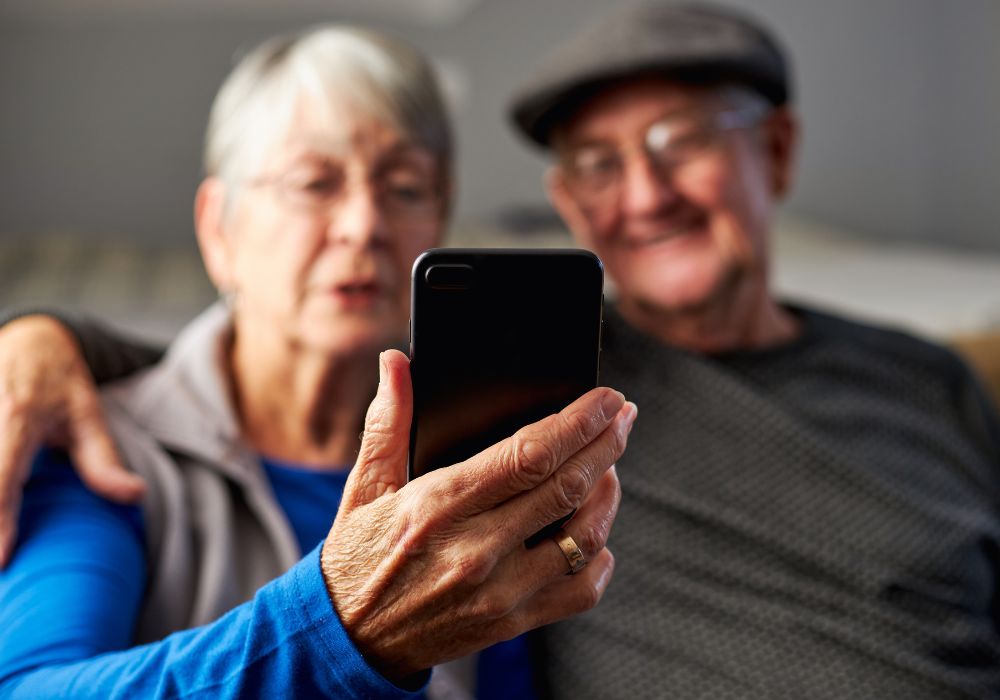
Best Digital Tools to Help Seniors Stay Independent
In today’s digital age, technology offers unprecedented opportunities for seniors to maintain their independence while aging in place. At Advanced Care, we understand that many older adults prefer to remain in their homes as they age, and the right digital tools can make this goal more achievable and enjoyable. From health monitoring devices to communication platforms, these innovations are transforming how seniors experience daily life at home.
Key Takeaways
-
Modern digital tools like medical alert systems, medication management apps, and smart home devices can significantly enhance senior safety and independence at home
-
Technology adoption among seniors has increased dramatically in recent years, with user-friendly designs making digital tools more accessible
-
Virtual healthcare solutions provide convenient access to medical professionals without leaving home, reducing transportation barriers
-
Social connection technologies help combat isolation and loneliness, which are major health concerns for aging adults
-
Advanced Care can help seniors integrate and effectively use digital tools as part of a comprehensive in-home care plan
How Can Technology Help Seniors Live Independently Longer?
Technology offers powerful solutions that address the core challenges of aging at home. Digital tools can compensate for physical limitations, enhance safety, simplify daily tasks, and provide crucial connections to healthcare providers, caregivers, and loved ones. When properly implemented, these technologies can extend a senior’s ability to live independently by several years while improving their overall quality of life.
Understanding the Digital Revolution in Senior Care
The landscape of aging has transformed dramatically over the past decade. With more than 10,000 Americans turning 65 each day, t safety and emergency response, health monitoring and management, social connection, cognitive engagement, and simplification of daily tasks. What makes today’s technology particularly promising is the increasing focus on user-friendly design that considers the unique needs of older adults, including those with physical limitations or limited technical experience.
Recent research from the Pew Research Center shows that technology adoption among seniors has increased substantially, with 73% of adults over 65 now using the internet and more than half owning smartphones. This growing digital literacy creates new opportunities for leveraging technology to enhance independence.
The COVID-19 pandemic further accelerated this trend, as many seniors quickly adapted to video calling, telehealth appointments, and online shopping out of necessity. This rapid adoption demonstrated that with proper support and motivation, older adults can and will embrace digital tools that provide clear benefits.
For families and caregivers, these technologies offer peace of mind and can help distribute the caregiving burden. Remote monitoring systems allow family members to check in on their loved ones from a distance, while automated medication dispensers ensure proper medication adherence even when caregivers aren’t present.
Healthcare providers also benefit from these innovations, as they gain access to real-time health data and can intervene earlier when problems arise. This proactive approach helps prevent hospitalizations and supports better health outcomes for seniors aging in place.
Despite these advances, it’s important to recognize that technology alone cannot replace human care and connection. The most effective approach combines thoughtfully selected digital tools with personalized in-home care services like those provided by Advanced Care. This balanced approach leverages the best of both worlds: the efficiency and constant vigilance of technology alongside the compassion and adaptability of human caregivers.
Common Barriers to Senior Independence and Digital Solutions
-
Safety Concerns: Falls and medical emergencies represent significant risks for seniors living alone. According to the CDC, one in four Americans aged 65+ falls each year, making it the leading cause of fatal and non-fatal injuries among older adults. Digital solutions include advanced medical alert systems that go beyond the traditional “help button.” Modern systems feature automatic fall detection, GPS tracking for active seniors, and integration with smartphones. Some devices, like the Apple Watch Series 9, include fall detection and emergency SOS features in a mainstream device that doesn’t carry the stigma of traditional medical alert pendants.
-
Medication Management Challenges: Seniors often manage complex medication regimens, with many taking five or more prescriptions daily. Medication errors can lead to serious health consequences and hospitalizations. Digital medication management tools range from simple smartphone apps with reminder notifications to sophisticated automated dispensers like MedMinder or Hero that can be pre-loaded with a week’s worth of medications and dispense them at programmed times. These systems often include alerts for missed doses that can be sent to caregivers or family members.
-
Mobility and Transportation Limitations: Reduced mobility and inability to drive can significantly impact independence. Digital solutions include rideshare apps with senior-friendly interfaces like GoGoGrandparent, which allows seniors to request Uber or Lyft rides without a smartphone. Grocery and meal delivery services accessible through simple interfaces or voice commands enable seniors to maintain nutrition independence without driving. Additionally, telehealth platforms reduce the need for transportation to medical appointments for routine check-ups.
-
Social Isolation and Loneliness: Research from the National Academies of Sciences, Engineering and Medicine indicates that social isolation significantly increases a person’s risk of premature death from all causes, rivaling the effects of smoking, obesity, and physical inactivity. Digital connection tools like simplified video calling devices (GrandPad, Facebook Portal), virtual senior centers, and online communities specifically designed for older adults help maintain vital social connections. Voice-activated assistants like Amazon Echo can provide companionship through conversation and entertainment.
Essential Digital Tools for Senior Independence
Health and Safety Monitoring Tools: Modern health monitoring devices allow seniors to track vital health metrics at home, providing valuable data to healthcare providers while reducing the need for in-person visits. Smart watches and fitness trackers can monitor heart rate, activity levels, and sleep patterns, while more specialized devices track specific health concerns.
The latest medical alert systems have evolved far beyond the basic pendants of the past. Options like Medical Guardian and Philips Lifeline offer automatic fall detection, GPS location tracking, and cellular connectivity that works both inside and outside the home. Some systems even monitor for unusual patterns that might indicate a problem, such as lack of movement or changes in routine.
For seniors with specific health conditions, specialized monitoring tools provide targeted support. Connected blood pressure cuffs, blood glucose monitors, and pulse oximeters automatically record and transmit readings to healthcare providers, allowing for timely interventions when readings fall outside normal ranges.
Smart Home Technology: Smart home devices create safer, more accessible living environments while simplifying daily tasks. Voice-controlled systems like Amazon Echo or Google Nest Hub allow seniors to control lights, thermostats, door locks, and appliances with simple voice commands—particularly valuable for those with mobility limitations or arthritis.
Smart lighting systems can be programmed to turn on automatically when a senior gets out of bed at night, reducing fall risk, while motion sensors can detect unusual patterns and alert caregivers. Video doorbells provide security and peace of mind by allowing seniors to see who’s at the door without getting up, and smart locks eliminate fumbling with keys.
For kitchen safety, devices like automatic stove shut-off systems prevent fires by turning off the stove if left unattended too long. Smart refrigerators can help track food freshness and create shopping lists, while robotic vacuum cleaners reduce the physical burden of home maintenance.
Medication Management Systems: Digital medication management ranges from simple smartphone apps to sophisticated automated dispensers. Apps like Medisafe provide customizable reminders and track medication adherence, while smart pill dispensers like Hero or MedMinder physically organize and dispense medications at programmed times, with alerts for missed doses.
Some advanced systems include features like automatic prescription refills, medication interaction warnings, and caregiver notifications. These tools significantly reduce medication errors, which account for a substantial percentage of preventable hospitalizations among seniors.
Virtual Healthcare Platforms: Telehealth services expanded dramatically during the pandemic and continue to offer tremendous benefits for seniors. Platforms like Teladoc, Amwell, and even hospital-based virtual care programs allow seniors to consult with healthcare providers from home, eliminating transportation challenges and reducing exposure to illness in waiting rooms.
Beyond basic video consultations, some telehealth platforms now support remote monitoring of vital signs and chronic conditions. Virtual physical therapy programs guide seniors through exercises while monitoring form and progress, and online mental health services provide counseling and support for depression and anxiety—common but undertreated conditions among older adults.
Implementation Strategies for Digital Tools
Start With Specific Needs: The most successful technology adoption begins by identifying specific challenges a senior faces, then selecting tools that directly address those needs. For someone concerned about falls, a medical alert system with automatic fall detection might be the priority. For someone managing multiple medications, an automated pill dispenser could be life-changing. By focusing on solutions to real problems rather than technology for its own sake, seniors are more likely to embrace and continue using digital tools.
When evaluating options, consider the senior’s physical and cognitive abilities, technical experience, and living environment. A complex smartphone app might be perfect for a tech-savvy 70-year-old but overwhelming for someone with limited digital experience. Similarly, a voice-controlled system might work well for someone with arthritis but prove frustrating for someone with speech difficulties.
Prioritize Simplicity and Usability: The most effective digital tools for seniors feature intuitive interfaces with large buttons, clear text, and straightforward navigation. Look for devices specifically designed for older adults, like the GrandPad tablet or Jitterbug smartphone, which eliminate unnecessary features and focus on essential functions with simplified interfaces.
For seniors with limited technical experience, voice-controlled devices like Amazon Echo or Google Nest Hub offer a natural interaction method that doesn’t require learning complex interfaces. These devices can control smart home features, make calls, set reminders, and answer questions—all through simple voice commands.
When introducing new technology, focus on one device or application at a time, allowing for mastery before adding more tools. Provide written instructions with large print and clear photos, and consider labeling physical buttons or creating custom shortcut guides. Most importantly, ensure the senior has access to ongoing support for questions and troubleshooting.
Ensure Proper Setup and Training: Proper initial setup is crucial for long-term success with digital tools. This often requires in-person assistance from a family member, caregiver, or professional. Many senior centers and libraries now offer technology classes specifically for older adults, while services like Senior Planet provide online tutorials tailored to seniors.
During setup, customize settings to accommodate any sensory or physical limitations, such as increasing text size, adjusting volume, or enabling voice commands. Create simple login credentials that the senior can remember but that remain secure, and document these in a safe location.
Training should be hands-on and patient, with repeated practice of common tasks. Break instructions into small steps, and avoid technical jargon. Encourage questions and provide positive reinforcement for progress. Schedule follow-up sessions to address new questions and reinforce learning.
Address Privacy and Security Concerns: Many seniors have legitimate concerns about privacy and security with digital tools. Take time to explain what information devices collect, how it’s used, and who can access it. Install and configure security features like password protection, two-factor authentication, and automatic updates.
For devices that connect to the internet, ensure the home Wi-Fi network is secure with a strong password. Consider setting up a guest network for IoT devices to keep them separate from computers containing sensitive information. Review privacy settings on all accounts and applications, limiting data collection to what’s necessary for functionality.
Resources and Support for Technology Adoption
For seniors and families exploring digital tools, several organizations provide valuable guidance and resources. The National Institute on Aging offers a technology and aging resource center with research-based recommendations. AARP‘s Technology Resource Center features reviews of products designed for older adults, along with tutorials and online courses for building digital skills.
Local resources often provide hands-on support. Many public libraries offer technology classes specifically for seniors, while Area Agencies on Aging may provide technology consultations or lending programs. Senior centers increasingly offer tech support hours where volunteers help with device setup and troubleshooting.
For personalized assistance, consider technology consultation services that specialize in senior needs. Companies like Candoo Tech provide remote or in-home support specifically for older adults, with technicians trained in working with seniors. These services can help with everything from initial device selection to ongoing maintenance and troubleshooting.
Financial assistance programs can help make technology more accessible. The federal Lifeline program provides discounted phone and internet service to qualifying low-income individuals, while some Medicare Advantage plans now cover certain health monitoring devices. State assistive technology programs may provide funding for devices that help individuals with disabilities maintain independence.
When selecting support resources, look for those that emphasize empowerment rather than dependency. The goal should be to build the senior’s confidence and competence with technology, not to create reliance on others for basic functions.
How Advanced Care Can Help
At Advanced Care, we recognize that digital tools are most effective when integrated into a comprehensive care plan that addresses all aspects of independent living. Our team of over 250 professionals across seven Wisconsin counties is uniquely positioned to help seniors successfully incorporate technology into their daily routines.
Our approach begins with a thorough assessment of each client’s needs, preferences, and existing technology experience. During this free consultation, our care coordinators identify specific challenges that might benefit from digital solutions and evaluate which tools would be most appropriate given the client’s abilities and living environment. We take time to understand not just what technology could help, but what technology the client will actually use.
Our caregivers provide hands-on assistance with technology setup and training, working at the client’s pace to build confidence and competence. For clients with limited experience, we start with basic functions and gradually introduce more advanced features as comfort levels increase. Our team can create customized instruction sheets with large print and clear photographs, label device buttons for easier identification, and provide regular practice opportunities during care visits.
Beyond initial setup, our caregivers offer ongoing support for technology use as part of regular care visits. They can help troubleshoot problems, answer questions that arise, and reinforce proper usage. This consistent support is often the difference between abandoned technology and successful long-term adoption.
Our registered nurses, who conduct bi-monthly wellness assessments, can help monitor the effectiveness of health-related digital tools and coordinate information sharing with healthcare providers. They ensure that data from monitoring devices is properly interpreted and incorporated into the overall care plan, maximizing the health benefits of these technologies.
For families, we provide education on how to remotely monitor and support their loved one’s technology use, creating a coordinated approach between professional caregivers and family members. Our care coordinators can help families select and set up appropriate remote monitoring systems that respect the senior’s privacy while providing peace of mind.
Most importantly, we recognize that technology complements but never replaces human care. Our caregivers provide the emotional support, physical assistance, and personalized attention that no digital tool can deliver. By combining compassionate human care with thoughtfully selected technology, we create a comprehensive support system that truly enhances independence.
As technology continues to evolve, Advanced Care remains committed to staying current with the latest innovations in senior care. Our team regularly participates in professional development to learn about new tools and best practices for technology integration. This ensures that our clients benefit from appropriate, up-to-date solutions that genuinely enhance their ability to age in place.
To learn more about how Advanced Care can help you or your loved one successfully incorporate digital tools into an independent living plan, contact us for a free consultation and assessment. Together, we can create a personalized approach that leverages the best of both human care and digital innovation to support independence, safety, and quality of life at home.