The Role of Humor in Senior Wellness: How Laughter Keeps Us Healthy
Key Takeaways
-
Laughter stimulates multiple physiological systems, reducing stress hormones and boosting immune function in seniors by up to 40%
-
Regular humor engagement can reduce pain perception, improve cardiovascular health, and enhance respiratory function in older adults
-
Social laughter creates meaningful connections that combat isolation and loneliness, major health risks for seniors
-
Incorporating humor into daily routines requires no special equipment and can be adapted for all mobility and cognitive levels
-
Contact Advanced Care for personalized in-home care that incorporates humor and positive engagement as part of holistic wellness support
Why Does Laughter Matter as We Age?
As we grow older, maintaining both physical and mental wellness becomes increasingly important. While many focus on medication, physical therapy, and dietary changes, one powerful wellness tool is often overlooked: humor. Laughter isn’t just a pleasant experience—it’s a vital component of holistic health that becomes even more crucial in our senior years when health challenges increase and social connections may diminish.
Understanding the Science of Laughter and Aging
The connection between humor and health isn’t just anecdotal—it’s backed by significant scientific research. When we laugh, our bodies undergo numerous positive physiological changes that directly impact our health systems. For seniors, these benefits can be particularly meaningful as they address many common age-related challenges.
At its most basic level, laughter triggers the release of endorphins—the body’s natural feel-good chemicals. These neurotransmitters create feelings of pleasure and well-being while simultaneously reducing pain sensitivity. This natural pain management system becomes increasingly valuable as aging bodies contend with arthritis, chronic pain, and other physical discomforts.
Beyond endorphin release, laughter creates a fascinating cascade of immune-boosting responses. Research from the Mayo Clinic shows that humor activates and enhances natural killer cells—specialized immune cells that attack viruses and certain types of cancer cells. This immune enhancement is particularly valuable for seniors, whose immune systems naturally weaken with age, making them more susceptible to illness.
The cardiovascular benefits of laughter are equally impressive. When we laugh heartily, blood flow increases throughout the body—similar to the effects of light exercise. According to studies referenced by the Cleveland Clinic, this improved circulation can help reduce blood pressure and decrease the risk of heart disease, which remains the leading cause of death among older adults.
Cognitively, humor plays a crucial role in brain health. Engaging with humor requires complex neural processing—understanding context, recognizing incongruity, and processing surprise. This mental workout helps maintain cognitive flexibility and may contribute to building cognitive reserve, potentially offering some protection against dementia and cognitive decline.
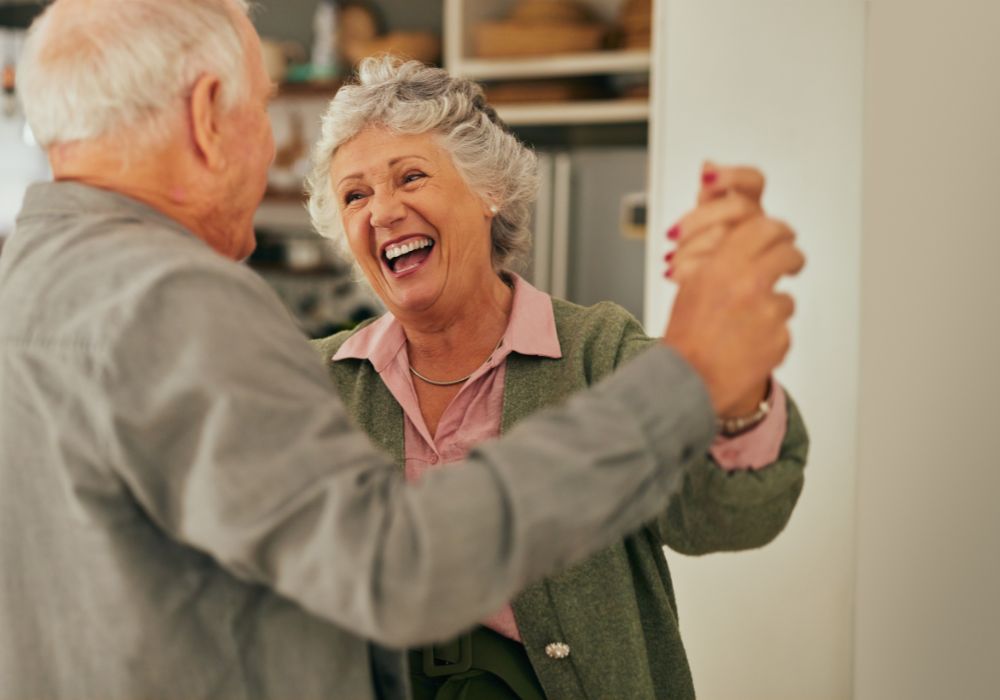
Perhaps most relevant to senior wellness is the social dimension of humor. Laughter is inherently social—we’re 30 times more likely to laugh in groups than when alone. For seniors facing isolation or loneliness, humor creates opportunities for meaningful connection. These social bonds have been consistently linked to longer lifespans, reduced depression rates, and better overall health outcomes.
As we age, the ability to find humor and joy in daily life isn’t just a pleasant diversion—it’s a powerful wellness strategy that supports physical health, cognitive function, emotional well-being, and social connection. Understanding these mechanisms helps explain why healthcare professionals increasingly recognize laughter as a legitimate component of senior wellness programs rather than simply a nice-to-have addition.
Physical Benefits of Laughter for Seniors
-
Improved Immune Function: One of the most remarkable benefits of regular laughter is its impact on immune health. Studies show that laughter increases the production of antibodies and activates protective cells like T-cells and natural killer cells. For seniors, whose immune systems naturally weaken with age, this boost can be significant. Research indicates that seniors who regularly engage with humor show up to 40% higher levels of certain immune markers compared to those who rarely laugh. This enhanced immune function translates to fewer illnesses and faster recovery times when sickness does occur.
-
Enhanced Cardiovascular Health: Heart health becomes increasingly important as we age, and laughter provides surprising cardiovascular benefits. When we laugh, blood vessels dilate, improving blood flow throughout the body by up to 22%, according to research cited by AARP. This improved circulation helps reduce blood pressure and decreases the work required of the heart. Regular laughter has been associated with lower rates of heart disease and better outcomes for those already diagnosed with cardiovascular conditions. For seniors with limited mobility who cannot easily engage in traditional exercise, laughter provides an accessible way to support heart health.
-
Natural Pain Management: Chronic pain affects approximately 50% of older adults living independently and up to 80% of those in care facilities. Laughter offers natural pain relief through multiple mechanisms. The endorphins released during laughter act as the body’s natural painkillers, temporarily reducing pain perception. Additionally, laughter distracts from discomfort and changes how the brain processes pain signals. Studies show that just 10 minutes of genuine laughter can provide up to two hours of pain relief for some individuals. This makes humor a valuable complementary approach to managing arthritis, neuropathy, and other common sources of senior pain.
-
Respiratory Benefits: The deep breathing associated with hearty laughter provides significant respiratory benefits. For seniors dealing with decreased lung capacity or conditions like COPD, laughter exercises the lungs, increasing oxygen intake and improving overall respiratory function. The forceful exhalation that occurs during laughter helps clear stagnant air from the lungs, allowing for greater oxygen exchange. This respiratory workout can help maintain lung capacity and improve breathing efficiency, making daily activities less taxing for older adults.
Cognitive and Emotional Benefits of Humor
Stress Reduction and Mood Elevation: Chronic stress accelerates aging and contributes to numerous health problems, from cardiovascular disease to memory impairment. Laughter counteracts stress by reducing stress hormones like cortisol and adrenaline while increasing feel-good neurotransmitters such as serotonin and dopamine. For seniors facing age-related changes, health concerns, or loss of independence, this stress-buffering effect is invaluable. Regular laughter can reduce anxiety, alleviate symptoms of depression, and create a more positive outlook—all of which contribute to better health outcomes and quality of life.
Memory Enhancement and Cognitive Flexibility: Humor requires complex cognitive processing, engaging multiple brain regions simultaneously. This mental workout strengthens neural connections and may help preserve cognitive function. Research from Loma Linda University found that seniors who engaged with humorous content for 20 minutes showed significantly better short-term memory recall and learning ability compared to control groups. The surprise element in humor keeps the brain flexible and adaptable, potentially slowing age-related cognitive decline. For seniors concerned about maintaining mental sharpness, incorporating humor into daily life offers cognitive benefits while being enjoyable rather than feeling like “brain training.”
Resilience Building: Aging inevitably brings challenges—health setbacks, loss of loved ones, and lifestyle adjustments. Humor helps build resilience by providing perspective and emotional distance from difficulties. The ability to laugh, even during challenging times, correlates strongly with better coping skills and faster emotional recovery from setbacks. Seniors who maintain their sense of humor report higher life satisfaction and demonstrate greater adaptability when facing age-related changes. This emotional resilience translates to better health outcomes and more successful aging overall.
Social Connection and Belonging: Social isolation increases mortality risk by approximately 29%—comparable to smoking 15 cigarettes daily. Shared laughter creates bonds between people, fostering connection and belonging. For seniors at risk of isolation due to mobility limitations, retirement, or loss of peers, humor provides an accessible way to connect with others. Laughter in group settings releases oxytocin, the “bonding hormone,” strengthening relationships and creating feelings of closeness. Senior communities that incorporate humor report higher resident satisfaction and participation in group activities, demonstrating humor’s power to build community and combat loneliness.
Practical Ways to Incorporate Humor into Senior Wellness
Daily Humor Rituals: Establishing regular humor practices can significantly impact overall wellness for seniors. Start by designating specific times for humor engagement—perhaps beginning the day with a funny comic strip or ending with a humorous television program. Creating a “laughter library” of books, movies, and shows that reliably bring joy provides easy access to mood elevation. For seniors with memory challenges, family members can help by labeling humor resources clearly and keeping them visible. Even simple practices like sharing a daily joke with caregivers or family members can establish a positive routine that supports emotional health.
Humor for Pain Management: For seniors dealing with chronic pain, strategic humor timing can enhance pain management. Research shows that engaging with humor shortly before situations that may exacerbate pain (like physical therapy or necessary but uncomfortable movement) can reduce pain perception during these activities. Creating a humor kit—a collection of funny videos, jokes, or stories—specifically for use during painful medical procedures or high-discomfort periods provides a non-pharmaceutical pain management tool. Caregivers can support this approach by learning which humor styles most effectively distract their loved ones from discomfort and having appropriate materials ready when needed.
Adaptive Humor for All Ability Levels: Humor can and should be accessible regardless of physical or cognitive limitations. For seniors with hearing impairments, visual humor through comics, funny videos with captions, or expressive physical comedy works well. Those with vision challenges might enjoy audio comedies, joke-telling circles, or descriptive humor. For individuals with cognitive impairments, simpler humor forms like gentle physical comedy, familiar jokes with predictable punchlines, or humor based on sensory experiences remain accessible. The key is adapting the delivery method while maintaining the core emotional benefits of laughter. Advanced Care professionals are trained to identify and implement appropriate humor interventions based on individual client abilities and preferences.
Social Laughter Opportunities: Creating regular opportunities for shared laughter significantly enhances humor’s benefits. Senior-friendly humor groups, where participants share jokes or funny stories in a supportive environment, build both humor skills and social connections. Virtual options make these accessible even for those with mobility limitations. Intergenerational humor programs, where seniors interact with younger people through humorous activities, provide particularly rich benefits by combating age segregation while promoting laughter. Even simple strategies like identifying “humor buddies”—friends or family members who reliably share a similar sense of humor—ensures regular access to the social dimension of laughter that is so vital for wellbeing.
Overcoming Barriers to Humor in Senior Life
When discussing humor and aging, we must acknowledge the real challenges that can make laughter more difficult. Many seniors face significant obstacles to maintaining their sense of humor—chronic pain, grief, cognitive changes, and social isolation can all diminish opportunities for joy and laughter. However, understanding these barriers is the first step toward addressing them effectively.
For many older adults, physical discomfort creates a significant hurdle to experiencing humor. When in pain, finding anything funny becomes more difficult. The solution isn’t to force laughter but to recognize that even small moments of humor can temporarily interrupt pain cycles. Gentle, accessible humor that doesn’t require physical exertion (like slapstick might) can provide brief but valuable respite from discomfort.
Loss and grief represent another common barrier. After losing a spouse, friends, or former capabilities, humor may feel inappropriate or inaccessible. Yet research shows that humor often returns as a vital coping mechanism during the healing process. Supporting this natural return by sharing fond, funny memories of loved ones or finding humor in new situations can help rebuild this essential wellness tool.
For those experiencing cognitive changes, humor may change in character but doesn’t disappear. While complex wordplay might become challenging, visual humor, gentle physical comedy, and simple jokes often remain accessible and enjoyable. Adapting humor to current cognitive abilities rather than abandoning it entirely maintains this crucial aspect of wellbeing.
Perhaps most importantly, many seniors lack regular opportunities for shared laughter. As social circles narrow and mobility decreases, chances to experience humor with others diminish. Creating intentional humor opportunities—whether through in-person visits, video calls with family, or structured activities in care settings—becomes increasingly important.
With awareness and appropriate support, these barriers can be addressed, allowing humor to continue playing its vital role in senior wellness regardless of circumstances or limitations.
How Advanced Care Can Help
At Advanced Care, we understand that true wellness encompasses more than just physical health—it includes emotional wellbeing, cognitive stimulation, and meaningful social connection. Our approach to in-home care incorporates humor and positive engagement as essential components of our comprehensive care strategy, not merely as optional additions.
Our team of over 250 professionals, including caregivers, care coordinators, and registered nurses, receives specific training in recognizing opportunities to incorporate appropriate humor into daily care routines. We understand that humor is highly individual—what brings joy to one person might not resonate with another. That’s why our personalized care plans include notes about each client’s humor preferences, ensuring that interactions are tailored to their specific personality and background.
For clients experiencing cognitive changes, our memory care support specialists are skilled in adapting humor approaches to remain accessible and appropriate. Rather than abandoning humor when communication becomes challenging, we find new ways to connect through smiles, gentle physical humor, and simplified jokes that maintain dignity while promoting wellbeing.
Our meal preparation and nutrition support services incorporate opportunities for light-hearted conversation and sharing of food-related memories, recognizing that mealtimes provide natural opportunities for social connection and joy. Caregivers are encouraged to share appropriate stories and engage clients in pleasant conversation, making nutrition support about more than just physical nourishment.
Transportation services to medical appointments—often stressful experiences—include techniques to reduce anxiety through appropriate humor and positive distraction. Our team understands that a well-timed light moment before a doctor’s visit can significantly reduce stress hormones and improve the overall experience.
For clients dealing with chronic pain or discomfort, our caregivers are trained in humor-based distraction techniques that can complement medical pain management approaches. These might include sharing funny stories during uncomfortable transfers or using humor to make exercise routines more enjoyable.
The bi-monthly wellness assessments conducted by our registered nurses include evaluation of emotional wellbeing and social engagement, allowing us to track how effectively humor and positive interaction are supporting overall health. Care plans are adjusted based on these assessments to ensure optimal emotional support.
For family caregivers experiencing burnout, our respite care services provide not only physical relief but also emotional renewal. Our team can help establish humor rituals that family members can continue, creating continuity of care that maintains the client’s emotional wellbeing while supporting the family system.
At Advanced Care, serving the Kenosha, Milwaukee, Ozaukee, Racine, Sheboygan, Washington, and Waukesha areas, we believe that laughter and joy are not luxury items but essential components of health—particularly for seniors facing the challenges of aging. Our comprehensive approach ensures that physical care is delivered alongside emotional support, creating an environment where wellness can flourish in all its dimensions.
By choosing Advanced Care, you’re not just getting assistance with daily tasks—you’re partnering with professionals who understand the profound connection between humor, happiness, and health. Contact us today for a free consultation to learn how our personalized approach to care can support your loved one’s complete wellbeing, including the vital element of joy that makes life worth living at any age.