Dealing with Loneliness in Seniors: How to Cultivate New Relationships Later in Life
Key Takeaways
-
Loneliness affects over 40% of seniors and can significantly impact physical health, increasing risks of heart disease, stroke, and cognitive decline
-
Regular social interaction through community centers, volunteer work, and technology can reduce feelings of isolation by up to 30%
-
Building new relationships later in life requires intentional effort but yields significant rewards for mental, emotional, and physical well-being
-
Family members can support senior loved ones by helping them connect with resources, providing transportation to social events, and assisting with technology
-
Advanced Care offers personalized companionship services and social engagement support to help seniors maintain meaningful connections and combat loneliness
Why Is Loneliness So Common Among Older Adults?
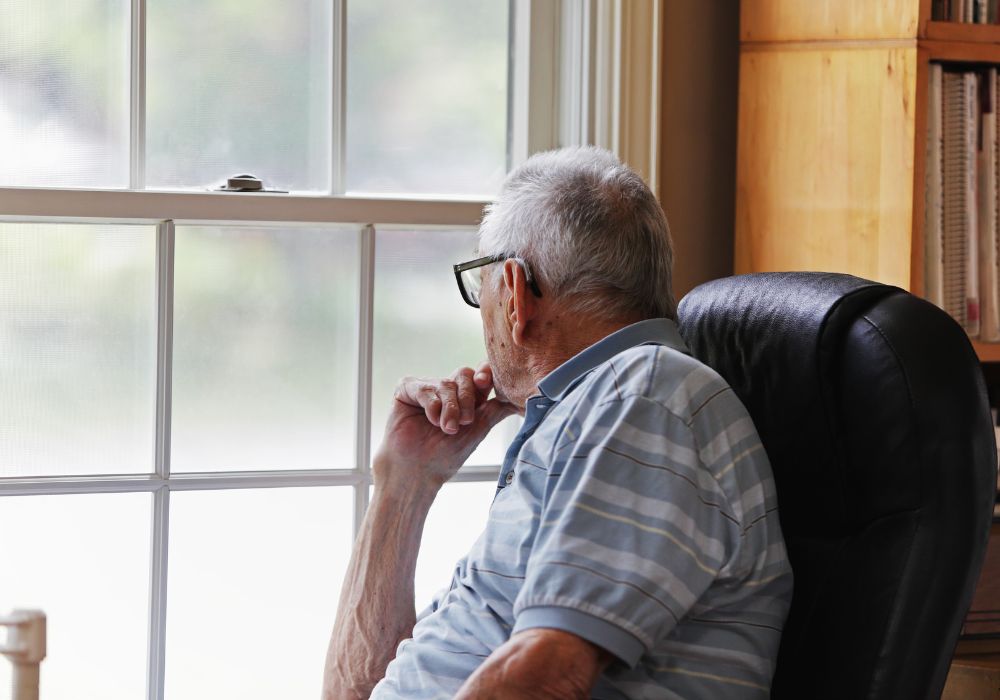
Loneliness has become an epidemic among seniors, with research showing that approximately one in three adults over 65 report feeling lonely or socially isolated. This occurs due to a perfect storm of life transitions: retirement removes workplace connections, adult children move away, friends and spouses pass away, and mobility challenges make socializing increasingly difficult. The consequences extend far beyond emotional discomfort—loneliness is now recognized as a serious public health concern with impacts comparable to smoking 15 cigarettes daily.
Understanding the Impact of Loneliness on Senior Health
Loneliness isn’t just an uncomfortable emotional state—it’s a serious health concern with far-reaching implications for older adults. According to research from the National Institute on Aging, social isolation and loneliness significantly increase health risks among seniors, comparable to obesity and smoking in their impact on mortality rates.
The connection between loneliness and physical health is profound. When seniors experience chronic loneliness, their bodies respond with increased inflammation and stress hormones, creating a cascade of negative health effects. Studies show that isolated seniors face a 50% increased risk of dementia, a 29% increased risk of heart disease, and a 32% increased risk of stroke. Additionally, the immune system becomes compromised, making lonely seniors more susceptible to infections and slower to recover from illness.
Mental health suffers equally under the weight of isolation. Depression rates among lonely seniors are significantly higher than their socially connected peers. The Centers for Disease Control and Prevention reports that depression in older adults often goes undiagnosed and untreated because many assume it’s a normal part of aging—it’s not. This misunderstanding creates a dangerous cycle where loneliness leads to depression, which further inhibits social engagement.
The COVID-19 pandemic exacerbated these issues tremendously. While necessary for physical protection, social distancing measures created unprecedented isolation for many seniors. Even as restrictions have eased, many older adults have not fully resumed their pre-pandemic social activities, creating a lingering loneliness that continues to affect their wellbeing.
What makes loneliness particularly challenging for seniors is that it often arrives during a period of multiple losses. Retirement means the end of workplace relationships that may have spanned decades. The death of a spouse, siblings, or friends shrinks social circles. Adult children and grandchildren may move away, creating geographic barriers to regular interaction. Physical mobility issues, hearing loss, and other health challenges can make socializing increasingly difficult, further compounding isolation.
Technology, while helpful for many, can create additional barriers for seniors who didn’t grow up in the digital age. As more social interactions and services move online, those without technology skills may find themselves increasingly cut off from community resources and connections.
Understanding these complex factors is essential for addressing loneliness effectively. Loneliness isn’t simply solved by putting people in a room together—it requires meaningful connection, purpose, and belonging. The good news is that with proper support and strategies, seniors can develop new relationships and strengthen existing ones, even later in life.
Common Barriers to Social Connection for Seniors
-
Physical Mobility Limitations: As aging progresses, many seniors experience physical challenges that make leaving home difficult. Arthritis, balance issues, and general frailty can transform once-simple outings into logistical challenges. When traveling even short distances becomes painful or risky, many seniors opt to stay home rather than navigate the physical demands of socializing. This is particularly problematic in areas with limited accessible transportation options or in suburban and rural communities where driving is necessary for basic social engagement.
-
Loss of Driving Privileges: The surrender of a driver’s license represents more than just a transportation challenge—it’s often experienced as a profound loss of independence. Without the ability to drive themselves, seniors become dependent on others for social opportunities. In communities with limited public transportation, this dependency can drastically reduce spontaneous social interactions and participation in community events. The psychological impact of this transition can lead to withdrawal even before practical transportation solutions are explored.
-
Grief and Loss: The later years often bring a series of significant losses. The death of a spouse, siblings, and longtime friends creates both emotional pain and practical gaps in daily social interaction. Many seniors report that after losing a partner of many decades, they struggle to navigate social settings they once enjoyed as a couple. Friend groups may shrink as peers face health challenges or pass away. Each loss represents not just the absence of a loved one but the disappearance of shared memories, inside jokes, and the comfort of being truly known by another person.
-
Technology Barriers: While digital tools have created new avenues for connection, they’ve simultaneously erected barriers for seniors who aren’t comfortable with technology. Video calling platforms, social media, and messaging apps that younger generations navigate effortlessly can feel overwhelming to those who didn’t grow up with these tools. The rapid pace of technological change means that even seniors who master one platform may find themselves struggling as interfaces update or new platforms emerge. This digital divide can leave seniors feeling further isolated as more social interaction moves online.
Strategies for Building New Relationships in Senior Years
Find Purpose Through Volunteering: Volunteering creates natural pathways to meaningful relationships while providing the satisfaction of contributing to causes that matter. For seniors, this dual benefit addresses both loneliness and the common feeling of diminished purpose after retirement. Organizations like local hospitals, libraries, museums, and animal shelters actively seek senior volunteers, recognizing the value of their life experience and reliability.
Research from the Corporation for National and Community Service shows that seniors who volunteer regularly experience lower rates of depression and higher levels of life satisfaction. The structure of volunteering is particularly beneficial—it provides regular social contact in an environment where conversation flows naturally around shared tasks rather than forcing awkward small talk.
Consider starting with just 2-3 hours weekly at an organization aligned with your interests or skills. Many volunteer coordinators can accommodate physical limitations, offering seated tasks or flexible scheduling. The intergenerational connections formed through volunteering are especially valuable, as they expose seniors to diverse perspectives while allowing them to share their wisdom with younger generations.
Explore Senior-Focused Community Programs: Senior centers have evolved dramatically from the stereotypical image of bingo halls. Today’s centers offer diverse programming ranging from fitness classes and art workshops to technology training and educational lectures. These centers create age-friendly environments where seniors can connect with peers who understand the unique joys and challenges of this life stage.
Many communities also offer lifelong learning programs through local colleges, providing reduced-cost or free classes specifically for seniors. These educational settings naturally foster relationships around shared intellectual interests. The structure of regular weekly classes helps establish consistent social contact—a key factor in developing deeper relationships.
Religious and spiritual communities provide another avenue for connection, offering not just weekly services but also study groups, outreach committees, and social events. These communities often have established systems for supporting older members, including transportation assistance and home visits.
Embrace Technology as a Connection Tool: While technology can initially feel intimidating, it offers powerful tools for maintaining and building relationships. Video calling platforms like Zoom and FaceTime have revolutionized how families stay connected across distances. For seniors with grandchildren in different cities or states, these technologies provide meaningful ways to participate in family life despite geographic separation.
Social media platforms, when used intentionally, can help seniors reconnect with old friends and maintain awareness of community events. Facebook groups organized around hobbies, hometown connections, or shared experiences can facilitate new relationships based on common interests.
Many libraries and senior centers offer free technology training specifically designed for older adults, with patient instructors and step-by-step guidance. Learning alongside other seniors creates a supportive environment where questions are welcomed and frustrations are understood. The key is starting with one technology tool that addresses a specific connection need rather than trying to master multiple platforms simultaneously.
Cultivate Relationships Through Shared Interests: Hobby groups provide natural conversation starters and regular opportunities for interaction around shared passions. Whether it’s gardening clubs, book discussions, craft circles, or chess groups, these interest-based gatherings remove the pressure of making conversation for its own sake.
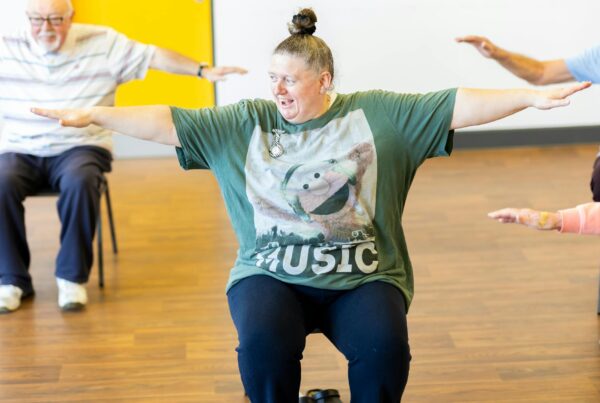
For seniors who enjoy physical activity, walking groups or senior-focused exercise classes offer dual benefits—improved physical health alongside social connection. The endorphins released during physical activity can also make social interaction feel more rewarding and positive.
Neighborhood connections shouldn’t be overlooked. Simple practices like sitting on the porch, walking at regular times, or participating in neighborhood events can gradually build familiarity with those living nearby. These proximity-based relationships are particularly valuable for seniors with limited transportation options.
Overcoming Emotional Barriers to New Connections
Acknowledging Grief While Moving Forward: Many seniors hesitate to form new relationships because they’re still processing significant losses. The death of a spouse, longtime friends, or even the loss of a familiar community after relocation can create emotional barriers to new connections. It’s important to recognize that forming new relationships doesn’t diminish or replace those that have been lost.
Grief support groups can be particularly helpful in this transition, providing space to honor past relationships while gradually opening to new possibilities. These groups understand the complex emotions involved in building new connections after loss and can offer both emotional support and practical strategies.
Seniors should be encouraged to speak openly about departed loved ones when forming new friendships. Rather than avoiding mentions of a late spouse or friend, incorporating their stories and memories honors their importance while allowing new friends to understand formative relationships that shaped your life.
Managing Social Anxiety and Building Confidence: Many seniors experience heightened social anxiety after periods of isolation. What once felt natural—striking up conversations or joining group activities—may suddenly feel overwhelming. This anxiety is a normal response to changing social circumstances, not a personal failing.
Starting with structured activities where conversation happens naturally around shared tasks can reduce this anxiety. Volunteer work, classes, or hobby groups provide natural conversation topics and remove the pressure of maintaining dialogue for its own sake.
Setting small, achievable social goals helps rebuild confidence gradually. This might mean committing to a weekly class, initiating one conversation with a neighbor, or calling a family member on a regular schedule. Each successful interaction builds confidence for the next.
Embracing New Social Identities: Many seniors struggle with identity shifts after retirement, widowhood, or relocation. Professional identities that provided status and connection for decades suddenly disappear. Becoming “the widow” rather than part of a couple changes how others interact with you and how you see yourself.
Exploring new interests can help develop fresh aspects of identity not defined by loss or past roles. Learning a new skill, developing a creative practice, or volunteering in a new field allows seniors to see themselves—and be seen by others—in expanded ways.
Intergenerational relationships can be particularly valuable during this transition. Connections with younger people often focus less on “what you did” professionally and more on who you are as a person, allowing for new aspects of identity to emerge and be recognized.
Resources for Social Engagement
Community-Based Programs and Services
Local Area Agencies on Aging represent an excellent starting point for seniors seeking social connections. These government-funded organizations maintain comprehensive databases of senior-focused programs, from meal services with social components to recreational activities specifically designed for older adults. Most importantly, they can provide personalized recommendations based on an individual’s interests, mobility level, and transportation needs.
Senior centers have evolved significantly in recent years, now offering diverse programming that goes far beyond stereotypical activities. Today’s centers typically feature educational lectures, technology classes, fitness programs, art workshops, and organized outings. Many centers provide transportation assistance, removing a significant barrier to participation for non-driving seniors.
Libraries have increasingly expanded their role as community hubs, offering not just book clubs but also lecture series, craft groups, technology training, and community events. These programs are typically free or low-cost and designed to welcome participants of all ages, creating opportunities for meaningful intergenerational connections.
Digital Resources for Connection
For seniors comfortable with technology, numerous digital platforms can facilitate both new connections and maintenance of existing relationships. Video calling services like Zoom, FaceTime, and Skype allow for face-to-face interaction regardless of distance—particularly valuable for staying connected with family members who live far away.
Social media platforms, when used intentionally, can help seniors reconnect with old friends, join interest-based groups, and stay informed about community events. Facebook groups organized around hometown connections, hobbies, or shared experiences often welcome senior participants and can lead to in-person meetups.
Several apps and websites are specifically designed for senior connection. Platforms like Stitch focus on creating community for those over 50, facilitating both online interaction and in-person activities based on shared interests. These age-specific platforms often provide a more comfortable environment for seniors new to online socializing.
Transportation Solutions
Transportation barriers frequently prevent seniors from participating in social opportunities. Many communities offer specialized transportation services for seniors, including door-to-door options that accommodate mobility challenges. These services typically require advance scheduling but provide reliable transportation to medical appointments, shopping, and social activities.
Ride-sharing applications have created new options for seniors without driving access. Services like GoGoGrandparent act as intermediaries for traditional ride-sharing platforms, allowing seniors to request rides through phone calls rather than smartphones. Some communities have developed volunteer driver programs specifically for seniors, providing not just transportation but also companionship during outings.
For seniors with health challenges that qualify them for home health services, it’s worth noting that transportation to social activities may be covered under certain insurance plans when social engagement is recognized as a health intervention. Advanced Care can help clients navigate these options and determine eligibility.
How Advanced Care Can Help
At Advanced Care, we understand that meaningful social connection is not just a pleasant addition to care services—it’s a fundamental component of overall health and wellbeing for seniors. Our approach to combating loneliness goes beyond basic companionship to create opportunities for genuine relationship building and community engagement tailored to each client’s unique interests and needs.
Our professional caregivers are specifically trained to provide companionship that addresses the deeper aspects of loneliness. Rather than simply being present in the home, our team members engage clients in meaningful conversation, shared activities, and memory-building experiences. We carefully match caregivers with clients based on shared interests and compatible personalities, creating the foundation for authentic relationships that grow over time.
For seniors facing mobility challenges that limit their social opportunities, Advanced Care provides reliable transportation services to community events, family gatherings, religious services, and social activities. Our caregivers don’t just drop clients off—they provide support throughout these outings, helping navigate physical spaces, facilitating introductions, and offering reassurance in new social settings. This comprehensive support removes multiple barriers to social engagement simultaneously.
Technology increasingly serves as a bridge to connection for many seniors, but the learning curve can be steep. Advanced Care caregivers offer patient, one-on-one technology assistance, helping clients master video calling platforms to connect with distant family members, navigate social media to reconnect with old friends, or use email to maintain correspondence. Our team can set up regular video calls with family members and provide the technical support needed to make these connections successful.
For clients interested in expanding their social circles, our care coordinators maintain extensive knowledge of community resources throughout Kenosha, Milwaukee, Ozaukee, Racine, Sheboygan, Washington, and Waukesha counties. We can recommend senior-focused programs aligned with clients’ specific interests and provide the support needed to begin participating in these activities.
The registered nurses on our team conduct bi-monthly wellness assessments that include evaluation of social wellbeing alongside physical health. This regular monitoring helps identify changes in social engagement that might indicate increasing isolation, allowing for proactive intervention before loneliness significantly impacts health.
Family members often worry about their aging loved ones’ social wellbeing but may live too far away to provide regular companionship. Advanced Care serves as an extension of the family support system, providing regular updates on social activities and engagement levels. Our care coordinators can work with family members to develop strategies for meaningful remote connection, helping bridge geographic distances through thoughtful communication plans.
For clients experiencing grief after the loss of a spouse or close friends, our team provides emotional support during this difficult transition. We understand that new relationships don’t replace those that have been lost but can help create a renewed sense of purpose and connection as seniors navigate life after significant losses.
At Advanced Care, we recognize that addressing loneliness requires a multifaceted approach as unique as each individual we serve. Whether through in-home companionship, community engagement support, technology assistance, or transportation services, our goal remains consistent: helping seniors maintain independence at home while fostering the meaningful connections essential to health, happiness, and quality of life.
Contact us today to learn how our personalized approach to combating loneliness can help your loved one cultivate new relationships and strengthen existing connections, creating a support network that enhances their independence and wellbeing at home.