How to Create a Senior-Friendly Exercise Routine at Home
Key Takeaways
-
Regular exercise helps seniors maintain independence, improve balance, and reduce the risk of falls and chronic diseases
-
A well-designed home exercise routine should include four key components: strength training, flexibility exercises, balance activities, and cardiovascular fitness
-
Always consult with healthcare providers before starting any new exercise program, especially if you have chronic conditions or mobility limitations
-
Start slowly with gentle movements and gradually increase intensity as your fitness improves
-
Advanced Care can provide personalized support, mobility assistance, and encouragement to help seniors maintain their exercise routines safely at home
Why Is Exercise Important for Seniors, and How Can They Start Safely?
Regular physical activity is vital for seniors to maintain independence, improve balance and coordination, and manage chronic conditions. Starting safely requires a consultation with healthcare providers, beginning with gentle exercises, and gradually increasing intensity while monitoring how your body responds.
Understanding the Benefits of Exercise for Seniors
Regular physical activity is one of the most powerful tools available to enhance quality of life as we age. For seniors, maintaining an active lifestyle isn’t just about staying fit—it’s about preserving independence, preventing disease, and enhancing overall wellbeing. The CDC recommends that adults 65 and older get at least 150 minutes of moderate-intensity aerobic activity each week, combined with muscle-strengthening activities on two or more days per week. However, many seniors struggle to meet these recommendations due to mobility challenges, health concerns, or simply not knowing where to begin.
Research consistently shows that regular exercise can help seniors manage and even prevent many common age-related health conditions. Physical activity helps control blood pressure, improves cardiovascular health, maintains bone density, and enhances mental wellbeing. A study published in the Journal of the American Geriatrics Society found that seniors who exercised regularly experienced fewer falls, improved cognitive function, and reported a higher quality of life compared to their sedentary counterparts.
Exercise is particularly beneficial for seniors with chronic conditions like arthritis, diabetes, and heart disease. For those with arthritis, gentle movement helps maintain joint flexibility and reduces pain. Seniors with type 2 diabetes can better manage blood glucose levels through regular physical activity. And for those with heart conditions, appropriate exercise strengthens the cardiovascular system and improves circulation.
Beyond the physical benefits, exercise offers profound mental health advantages. Regular activity stimulates the production of endorphins—natural mood elevators that help combat depression and anxiety. Social exercise opportunities can also help combat isolation and loneliness, which are significant concerns for many older adults.
The beauty of creating a home exercise routine is that it removes many common barriers to physical activity. T strength training, flexibility exercises, balance activities, and cardiovascular fitness. When these elements work together, they create a comprehensive approach to physical wellness that supports independence and enhances quality of life.
Common Challenges Seniors Face When Exercising at Home
-
Fear of Injury: Many seniors avoid exercise due to concerns about falling or exacerbating existing health conditions. This fear often stems from previous negative experiences or uncertainty about proper technique. Creating a safe exercise environment with proper support (like a sturdy chair for balance) and starting with gentle movements can help overcome this barrier. It’s also important to understand that while t Arthritis, osteoporosis, heart disease, and other chronic conditions can make exercise uncomfortable or seem impossible. However, properly selected exercises can actually help manage these conditions. For example, water-based exercises or seated routines can reduce joint impact for those with arthritis. The key is finding appropriate modifications that accommodate specific health concerns. Working with healthcare providers to understand which movements are safe and beneficial is essential for seniors with chronic conditions.
-
Lack of Motivation or Routine: Without the structure of a class or gym schedule, it can be difficult to maintain consistency with home exercises. Many seniors struggle to stay motivated, especially when exercising alone. Creating a regular schedule, setting achievable goals, and finding ways to make exercise enjoyable can help overcome this challenge. Some seniors find success by exercising at the same time each day or by combining physical activity with enjoyable activities like listening to music or watching a favorite program.
-
Limited Space and Equipment: Not all seniors spacious homes or specialized exercise equipment. However, an effective exercise routine doesn’t require a lot of space or expensive gear. Many beneficial exercises can be performed in a small area using household items or body weight alone. Simple tools like resistance bands, light hand weights (or soup cans), and a sturdy chair can provide everything needed for a comprehensive workout. The focus should be on creating a safe, clear space where movements can be performed without obstruction.
Essential Components of a Senior-Friendly Exercise Routine
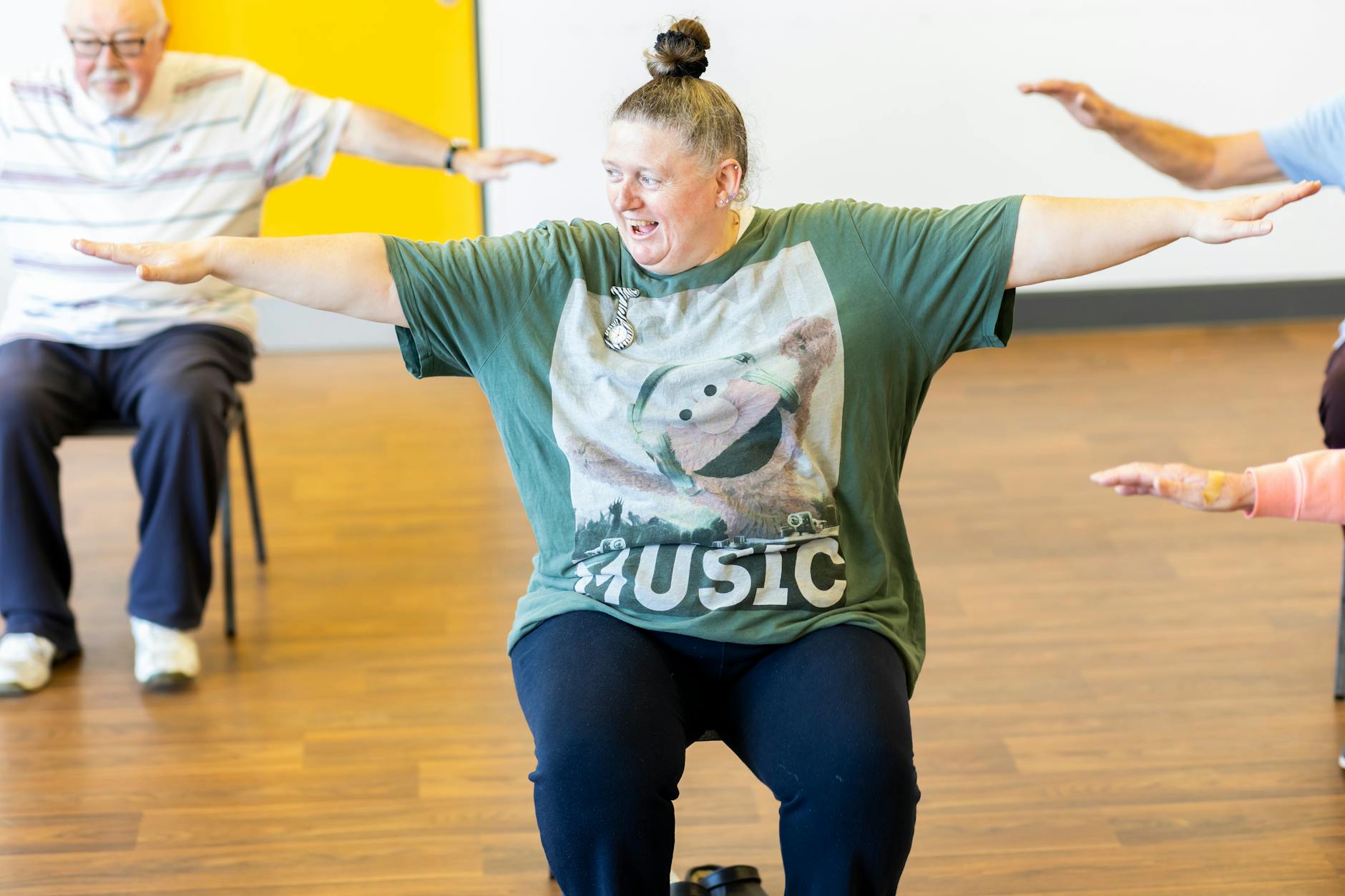
Strength Training for Maintaining Muscle Mass: Age-related muscle loss (sarcopenia) begins as early as age 30 and accelerates after 65, but regular strength training can significantly slow this process. For seniors, strength exercises should focus on functional movements that support daily activities. Simple exercises like chair squats help maintain the ability to stand from a seated position. Wall push-ups build upper body strength for tasks like pushing open doors or carrying groceries. Resistance bands provide adjustable tension for exercises targeting major muscle groups. Start with 2-3 strength sessions weekly, using light resistance and 10-15 repetitions per exercise. As strength improves, gradually increase resistance rather than repetitions. Always maintain proper form and breathe normally during exercises—never hold your breath during exertion.
Flexibility Exercises for Range of Motion: Flexibility naturally decreases with age, but regular stretching can maintain and even improve joint mobility. Gentle stretches for the neck, shoulders, back, hips, and ankles help preserve the range of motion needed for everyday activities. Each stretch should be held for 15-30 seconds without bouncing, focusing on feeling a gentle tension rather than pain. Deep breathing during stretching enhances relaxation and oxygen flow. For seniors with significant joint stiffness, performing flexibility exercises after a warm shower or applying a warm compress can make movements more comfortable. Daily stretching provides the best results, but even 2-3 sessions weekly offers significant benefits. Chair yoga and gentle tai chi sequences are excellent options that combine flexibility with balance training.
Balance Activities for Fall Prevention: Falls are a leading cause of injury among seniors, but regular balance training can reduce fall risk by up to 40%. Simple exercises like standing on one foot while holding onto a counter, walking heel-to-toe, or performing gentle weight shifts improve stability and proprioception (your body’s awareness of its position in space). Balance exercises should be performed near a sturdy support like a counter or chair to prevent falls during practice. As balance improves, challenges can be gradually increased by reducing hand support or closing eyes briefly during stable positions. The goal is to train the body’s balance systems to respond more effectively to everyday challenges like uneven surfaces or unexpected movements. Even 5-10 minutes of balance training daily can yield significant improvements in stability and confidence.
Cardiovascular Exercise for Heart Health: Aerobic activity strengthens the heart, improves circulation, and boosts energy levels. For seniors, low-impact options like walking, stationary cycling, or seated marching minimize joint stress while providing cardiovascular benefits. The focus should be on gradually building endurance rather than intensity. Starting with just 5-10 minutes of continuous activity and slowly working up to the recommended 150 minutes weekly allows the body to adapt safely. Perceived exertion is a useful guide—aim for a level where conversation is possible but singing would be difficult (moderate intensity). Breaking activity into multiple short sessions throughout the day can make cardiovascular exercise more manageable for those with limited stamina. Consistency is more important than duration, especially when beginning.
Creating a Safe and Effective Home Exercise Environment
Safety First: Setting Up Your Space: Create a dedicated exercise area with enough room to move freely without obstacles. Remove throw rugs, cords, and clutter that could cause trips or falls. Ensure the space has good lighting and ventilation, with a non-slip surface for secure footing. Keep a sturdy chair or counter nearby for balance support during standing exercises. If possible, position a mirror to check form during movements. Have a phone within reach in case of emergency, and consider wearing a medical alert device during exercise sessions if you live alone. For floor exercises, use a yoga mat or folded blanket to cushion joints. Keep water accessible to stay hydrated throughout your workout. The ideal temperature should be comfortable—not too hot or cold—to prevent overheating or muscle stiffness.
Essential Equipment for Senior Workouts: Start with minimal, affordable equipment that serves multiple purposes. Resistance bands are versatile, inexpensive, and easy to store—they come in different resistance levels to accommodate varying strength levels. Light dumbbells (1-5 pounds) or household substitutes like water bottles or soup cans can be used for strength training. A sturdy, armless chair provides support for balance exercises and seated workouts. A yoga mat offers cushioning for floor exercises and defines your workout space. For cardiovascular exercise, comfortable walking shoes are essential, even for in-home walking. As fitness improves, consider adding ankle weights, exercise balls, or balance pads to increase challenge. Remember that proper technique is more important than fancy equipment—many effective exercises require no equipment at all, using body weight for resistance.
Establishing a Sustainable Routine: Consistency is key to seeing benefits from exercise. Choose specific days and times for your workouts and mark them on your calendar like any important appointment. Start with just 10-15 minutes of activity and gradually increase duration as your fitness improves. Include all four exercise components (strength, flexibility, balance, and cardiovascular) throughout your weekly schedule. For example, you might do strength training on Mondays and Thursdays, focus on flexibility and balance daily, and walk for cardiovascular exercise on several days. Listen to your body and adjust intensity based on how you feel each day—some fluctuation in energy and ability is normal. Track your progress in a simple journal to stay motivated and recognize improvements. Remember that even short bouts of activity provide benefits, so if you can’t complete your planned routine, doing something is always better than nothing.
Monitoring Intensity and Knowing When to Rest: Learn to distinguish between productive discomfort (the mild burning sensation in muscles during exertion) and potential injury pain (sharp, sudden, or severe pain). Use the “talk test” to gauge cardiovascular intensity—you should be able to speak in short sentences while exercising. Watch for warning signs that indicate you should stop immediately: chest pain, severe shortness of breath, dizziness, cold sweat, or unusual heart rhythm. Plan rest days between strength training sessions to allow muscles to recover, but gentle activities like walking and stretching can usually be done daily. Understand that some muscle soreness 24-48 hours after a new exercise is normal (delayed onset muscle soreness), but persistent pain needs attention. Proper warm-up (5 minutes of gentle movement) and cool-down (5 minutes of slower activity followed by stretching) help prevent injury and excessive soreness.
Adapting Exercises for Common Health Conditions
Arthritis and Joint Pain: Focus on gentle, controlled movements that maintain range of motion without aggravating painful joints. Water-based exercises (even in a bathtub) can reduce joint stress while providing resistance. For land exercises, avoid high-impact movements and rapid direction changes. Chair-based routines eliminate stress on weight-bearing joints while still providing effective workouts. Timing matters—many people with arthritis find morning exercises difficult due to stiffness, so afternoon sessions may be more comfortable. Apply heat before exercise to loosen stiff joints and cold afterward to reduce inflammation if needed. Isometric exercises (contracting muscles without joint movement) can build strength with minimal joint stress. Remember that some discomfort during movement is normal with arthritis, but sharp pain signals the need to modify or stop the activity.
Heart Conditions and High Blood Pressure: With physician approval, focus on low to moderate intensity activities with gradual progression. Monitor pulse rate during exercise, staying within recommended target heart rate zones provided by your healthcare provider. Avoid holding breath during exertion, which can cause dangerous blood pressure spikes. Be especially attentive to warning signs like chest pain, excessive shortness of breath, or dizziness. Include adequate warm-up and cool-down periods (5-10 minutes each) to allow cardiovascular system to adjust gradually. For those taking beta-blockers or other medications that affect heart rate, using perceived exertion rather than pulse rate may be more appropriate for monitoring intensity. Strength training should emphasize lighter weights with more repetitions rather than heavy resistance. Stay well-hydrated and avoid exercising in extreme temperatures, which places additional stress on the heart.
Osteoporosis and Fracture Risk: Emphasize weight-bearing exercises that stimulate bone formation, such as standing movements and gentle resistance training. Avoid exercises that involve forward bending from the waist or twisting the spine, which can increase fracture risk. Focus on proper posture during all activities—maintaining the natural curves of the spine protects vertebrae. Include specific exercises to strengthen back muscles, which help support the spine. For those with severe osteoporosis, seated and recumbent exercises may be safer than standing activities. If balance is compromised, always use appropriate support during standing exercises to prevent falls. Wrist-strengthening exercises can help protect a common fracture site, while hip-strengthening movements support another vulnerable area. Remember that impact is beneficial for bone health in those without fractures, but should be introduced very gradually and appropriately.
Diabetes and Blood Sugar Management: Exercise helps improve insulin sensitivity, but requires careful monitoring of blood glucose levels. Check blood sugar before and after exercise, especially when beginning a new routine. Have a small carbohydrate snack available in case of hypoglycemia (low blood sugar). Pay special attention to foot care—inspect feet before and after exercise, wear appropriate footwear, and avoid activities that risk foot injury if you have neuropathy. Hydration is particularly important for those with diabetes to maintain proper blood volume and sugar concentration. Resistance training is especially beneficial for glucose management, as increased muscle mass improves insulin response. Consistent daily activity often works better for blood sugar control than intermittent intense sessions. If using insulin, you may need to adjust dosage on exercise days—work with your healthcare provider to develop specific guidelines.
How Advanced Care Can Help
At Advanced Care, we understand that maintaining an active lifestyle is essential for seniors who wish to age in place with dignity and independence. Our team of over 250 professionals, including caregivers, care coordinators, and registered nurses, is dedicated to supporting your exercise goals as part of our comprehensive in-home care approach across Kenosha, Milwaukee, Ozaukee, Racine, Sheboygan, Washington, and Waukesha areas.
Our caregivers can play a vital role in helping you establish and maintain a safe, effective exercise routine at home. During our initial free consultation and assessment, our registered nurses evaluate your physical capabilities, review your health history, and identify any specific concerns that might affect your exercise program. This information helps us create a personalized care plan that includes appropriate physical activity support.
For seniors with mobility challenges, our transfer and mobility support services provide the assistance needed to safely engage in exercise. Our caregivers are trained to provide standby assistance during balance exercises, offer physical support during walking routines, and ensure proper positioning during seated workouts. This support gives many seniors the confidence to try movements they might otherwise avoid due to fear of falling.
Consistency is key to seeing benefits from exercise, and our caregivers can provide the encouragement and accountability needed to maintain regular physical activity. They can help establish a routine, provide friendly reminders, and offer companionship during exercise sessions. For many clients, having someone to exercise with transforms physical activity from a chore into an enjoyable social interaction.
Our team also helps create a safe exercise environment by ensuring your home is free of hazards that could lead to falls. Simple modifications like removing throw rugs, improving lighting, or rearranging furniture can make a significant difference in exercise safety. During bi-monthly wellness assessments, our registered nurses can evaluate your progress and recommend appropriate adjustments to your exercise routine as your fitness improves.
For seniors recovering from surgery or managing chronic conditions, our caregivers work in coordination with healthcare providers to ensure exercises are performed correctly and safely. We can help monitor vital signs during activity, recognize warning signs that indicate when to stop, and communicate important observations to healthcare teams.
Beyond physical support, our caregivers provide the encouragement and motivation that many seniors need to stick with an exercise program. They celebrate your successes, help you work through challenges, and provide positive reinforcement that builds confidence. This emotional support often makes the difference between abandoning an exercise program and making it a sustainable part of daily life.
At Advanced Care, we believe that physical activity is an essential component of aging well at home. Our personalized approach ensures that you receive exactly the level of support you need—whether that’s hands-on assistance with exercises, gentle encouragement to stay active, or help creating a safer environment for movement. By supporting your exercise routine, we’re helping you maintain independence, improve quality of life, and continue enjoying the comfort of your own home for years to come.
To learn how we can help you create and maintain a senior-friendly exercise routine as part of our comprehensive in-home care services, contact us today for a free consultation and assessment. Our team is ready to develop a personalized plan that supports your health, independence, and wellbeing.