Managing Chronic Pain in Seniors: Natural and Medical Approaches
Key Takeaways
-
Chronic pain affects over 50% of older adults living independently and up to 80% of seniors in care facilities, significantly impacting quality of life and independence.
-
A comprehensive approach combining both natural methods (physical activity, nutrition, mind-body techniques) and medical interventions provides the most effective pain management strategy.
-
Medication management requires special consideration in seniors due to age-related changes in metabolism and potential drug interactions.
-
Professional in-home care can significantly improve pain management outcomes by providing consistent support with medication adherence, physical activity, and implementation of pain management techniques.
-
Contact Advanced Care for a free consultation to develop a personalized pain management support plan for you or your loved one.
Why Is Chronic Pain More Complicated for Seniors?
Chronic pain presents unique challenges for older adults due to age-related physiological changes, multiple health conditions, and social factors. Seniors experience altered pain perception, metabolize medications differently, and often have comorbidities that complicate treatment. Additionally, many older adults accept pain as an inevitable part of aging rather than a manageable condition, leading to underreporting and undertreatment.
Understanding Chronic Pain in Older Adults
Chronic pain, defined as pain persisting for more than three months beyond normal tissue healing time, affects a disproportionate number of seniors. According to the National Institute on Aging, chronic pain impacts more than 50% of older adults living independently and up to 80% of residents in care facilities. This prevalence makes pain management a critical component of geriatric healthcare.
Age-related physiological changes significantly influence how seniors experience and respond to pain. The nervous system undergoes alterations that can affect pain perception, sometimes dulling the initial sensation but prolonging recovery. Simultaneously, inflammatory responses change, potentially increasing susceptibility to certain types of pain. Decreased muscle mass and bone density create vulnerability to musculoskeletal pain, while reduced kidney and liver function affects how medications are processed.
The impact of chronic pain extends far beyond physical discomfort. Persistent pain can trigger a cascade of negative consequences, including reduced mobility, sleep disturbances, depression, anxiety, social isolation, and diminished quality of life. This creates a troubling cycle where pain leads to decreased activity, which further exacerbates pain and contributes to functional decline.
Pain assessment in older adults presents unique challenges. Many seniors underreport pain due to stoicism, fear of medication side effects, concerns about additional testing, or the misconception that pain is an inevitable part of aging. Cognitive impairments may further complicate accurate pain reporting. Healthcare providers must be particularly attentive to nonverbal cues and behavioral changes that might indicate pain in seniors who cannot effectively communicate their discomfort.
The economic burden of chronic pain in seniors is substantial, with direct healthcare costs and indirect costs related to lost productivity and informal caregiving. According to CDC data, pain-related healthcare expenses and lost productivity cost an estimated $560-635 billion annually in the United States, with a significant portion attributed to older adults.
Understanding these complexities is essential for developing effective pain management strategies that address the multifaceted nature of chronic pain in the elderly population. A comprehensive approach that combines appropriate medical interventions with natural therapies offers the best chance for meaningful pain relief and improved quality of life.
Common Types of Chronic Pain in Seniors
-
Musculoskeletal Pain: This represents the most prevalent form of chronic pain among seniors. Osteoarthritis affects approximately 33% of adults over 65, causing joint pain, stiffness, and reduced range of motion. Rheumatoid arthritis, though less common, creates more intense inflammatory pain. Lower back pain affects nearly 60% of older adults at some point, often due to degenerative disc disease, spinal stenosis, or vertebral compression fractures related to osteoporosis. These conditions can significantly limit mobility and independence.
-
Neuropathic Pain: Approximately 25-30% of diabetic seniors experience painful diabetic neuropathy, characterized by burning, tingling, or shooting pain in the extremities. Post-herpetic neuralgia, a complication of shingles, affects 10-15% of older adults who develop shingles and can cause severe, persistent pain along nerve pathways. Other forms of neuropathic pain may result from stroke, multiple sclerosis, or chemotherapy treatments. This type of pain often responds poorly to conventional pain medications and requires specialized approaches.
-
Cancer-Related Pain: With cancer incidence increasing with age, many seniors face pain related to tumors pressing on organs, nerves, or bones. Additionally, cancer treatments themselves—surgery, chemotherapy, and radiation—can cause both acute and chronic pain syndromes. According to the National Cancer Institute, approximately 60-85% of people with advanced cancer experience significant pain requiring intervention.
-
Visceral and Organ Pain: Chronic conditions affecting internal organs can cause persistent discomfort in seniors. Chronic pancreatitis, inflammatory bowel disease, and chronic constipation can lead to abdominal pain. Angina from coronary artery disease creates chest discomfort, while chronic kidney disease may cause flank pain. These conditions often produce diffuse, poorly localized pain that fluctuates in intensity.
-
Headache Disorders: While migraine prevalence tends to decrease with age, other headache types become more common. Cervicogenic headaches from neck arthritis, temporal arteritis (which requires immediate medical attention), and trigeminal neuralgia all occur more frequently in the elderly population. Medication overuse headaches are also prevalent among seniors attempting to self-manage pain.
-
Mixed Pain Syndromes: Many older adults experience complex pain conditions with both nociceptive (tissue damage) and neuropathic (nerve) components. Conditions like failed back surgery syndrome, complex regional pain syndrome, and fibromyalgia present particularly challenging treatment scenarios requiring multimodal approaches.
Understanding the specific type and underlying cause of pain is crucial for developing effective management strategies. Each pain syndrome may respond differently to various interventions, necessitating a personalized approach that considers the individual’s overall health status, medication regimen, and personal preferences.
Effective Pain Management Strategies for Seniors
Strategy 1: Physical Activity and Movement-Based Approaches Regular physical activity remains one of the most effective non-pharmacological interventions for chronic pain management in seniors. Low-impact exercises like water aerobics reduce joint stress while providing resistance that strengthens muscles supporting painful joints. Tai Chi combines gentle movement with mindfulness, improving balance and reducing fall risk while decreasing pain intensity. A study published by the National Institute on Aging found that older adults who participated in regular Tai Chi experienced a 25-30% reduction in arthritic pain.
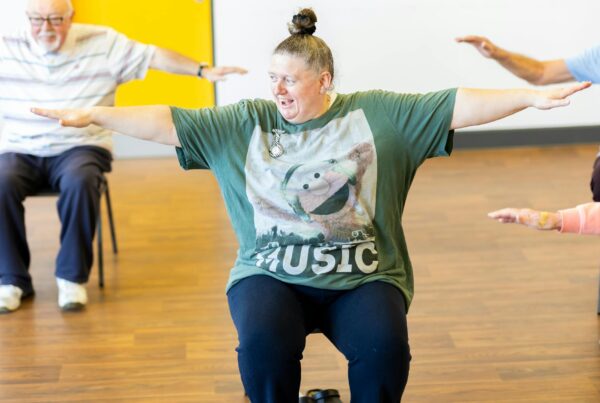
Physical therapy provides targeted exercises that address specific pain conditions. A physical therapist can develop a personalized program focusing on stretching tight muscles, strengthening weak ones, and improving overall functional capacity. For seniors with limited mobility, chair exercises offer accessible options that maintain range of motion and prevent further deconditioning. Even small amounts of daily movement—a short walk, gentle stretching, or simple range-of-motion exercises—can significantly reduce pain levels by improving circulation and preventing muscle atrophy.
Strategy 2: Nutritional and Dietary Approaches Anti-inflammatory diets can substantially impact chronic pain management. The Mediterranean diet, rich in olive oil, fatty fish, nuts, fruits, and vegetables, has been shown to reduce inflammatory markers associated with pain conditions. Specific foods with pain-modulating properties include fatty fish (containing omega-3 fatty acids), turmeric (containing curcumin), ginger, cherries, and berries (rich in antioxidants and anti-inflammatory compounds).
Maintaining proper hydration is crucial, as even mild dehydration can exacerbate pain sensitivity. Some seniors benefit from eliminating potential dietary triggers such as nightshades (tomatoes, eggplants, peppers), processed foods high in advanced glycation end products, or foods containing artificial additives. Weight management through proper nutrition also plays a significant role, as excess weight increases mechanical stress on joints and promotes inflammatory processes that contribute to pain.
Strategy 3: Mind-Body Techniques The connection between psychological well-being and pain perception is particularly relevant for seniors. Mindfulness meditation has demonstrated effectiveness in reducing pain intensity and improving pain coping skills. A program of just 8 weeks of mindfulness practice has been shown to reduce pain-related distress by 30-50% in some studies. Progressive muscle relaxation helps identify and release tension patterns that may be contributing to pain.
Cognitive-behavioral therapy (CBT) addresses negative thought patterns that amplify pain perception and teaches practical coping strategies. Guided imagery creates mental scenarios that distract from pain and promote relaxation. Breathing techniques activate the parasympathetic nervous system, reducing the stress response that often intensifies pain. These approaches are particularly valuable for seniors because they have no side effects, can be practiced independently after initial instruction, and address the emotional aspects of chronic pain that medications cannot reach.
Strategy 4: Complementary and Alternative Approaches Many seniors find significant relief through complementary therapies. Massage therapy improves circulation, reduces muscle tension, and releases endorphins that naturally modulate pain. Acupuncture, with substantial evidence supporting its effectiveness for certain pain conditions, stimulates specific points to modify pain signals and promote healing. Heat therapy increases blood flow to painful areas and relaxes tense muscles, while cold therapy reduces inflammation and numbs acute pain.
Topical treatments offer localized relief without systemic side effects. These include capsaicin (derived from chili peppers), menthol preparations, CBD-infused creams (where legal), and compounded pain creams that can be customized to address specific pain mechanisms. TENS (Transcutaneous Electrical Nerve Stimulation) units deliver mild electrical currents that interrupt pain signals and stimulate endorphin release. These approaches can be particularly valuable for seniors who cannot tolerate oral pain medications or prefer non-pharmaceutical options.
Strategy 5: Appropriate Pharmacological Management When medications are necessary, careful selection and monitoring are essential for seniors. Acetaminophen remains a first-line option for mild to moderate pain due to its relatively favorable safety profile, though liver function must be monitored. Topical NSAIDs (like diclofenac gel) provide localized anti-inflammatory effects with minimal systemic absorption, making them safer than oral NSAIDs for many seniors.
For neuropathic pain, medications like gabapentin, pregabalin, or duloxetine may be appropriate but require careful dosing adjustments for older adults. When opioids are necessary for severe pain, they should be used at the lowest effective dose with close monitoring for side effects like constipation, confusion, and respiratory depression. Muscle relaxants and benzodiazepines generally should be avoided or used with extreme caution in seniors due to their high risk of falls and cognitive impairment.
Medical Interventions and Professional Support
Medication Management Considerations
Medication management for pain in seniors requires special attention due to age-related changes in pharmacokinetics and pharmacodynamics. Seniors typically need lower starting doses with gradual titration to minimize side effects. Polypharmacy—the use of multiple medications—creates significant risk for drug interactions that can either reduce pain control or increase toxicity.
Kidney and liver function decline with age, affecting how medications are processed and eliminated. Regular monitoring of organ function and medication blood levels may be necessary. Seniors are also more susceptible to side effects like dizziness, confusion, and constipation, which can lead to secondary problems such as falls, cognitive impairment, and impaction.
A medication review by a healthcare provider or pharmacist specializing in geriatric care can identify potential interactions, inappropriate medications, and opportunities for simplification of drug regimens. Deprescribing—the process of reducing or discontinuing medications that may no longer be beneficial or may cause harm—is an important consideration for many seniors with chronic pain.
Interventional Procedures
When conservative measures provide insufficient relief, interventional procedures may be appropriate. Joint injections with corticosteroids or hyaluronic acid can reduce inflammation and improve mobility in arthritic joints. Nerve blocks temporarily interrupt pain signals from specific nerves, providing diagnostic information and therapeutic benefit.
Radiofrequency ablation uses heat to disable nerves carrying pain signals, offering longer-lasting relief for conditions like facet joint pain. Spinal cord stimulation involves implanting a device that delivers mild electrical impulses to interrupt pain signals, useful for certain neuropathic pain conditions. Intrathecal pain pumps deliver pain medication directly to the spinal fluid, allowing for effective pain control with much smaller doses than oral medications.
These procedures are typically performed by pain management specialists, neurologists, or interventional radiologists. They range from minimally invasive outpatient procedures to more complex interventions requiring careful patient selection and monitoring.
Supporting Seniors with Chronic Pain at Home
Creating an environment that minimizes pain triggers and maximizes independence is crucial for seniors managing chronic pain. Home modifications may include installing grab bars in bathrooms, raising toilet seats, using shower chairs, and removing trip hazards. Ergonomic furniture that supports proper posture can prevent pain exacerbation during daily activities.
Assistive devices play an important role in pain management. Properly fitted canes or walkers reduce joint stress during ambulation. Reachers eliminate the need to bend or stretch for objects. Jar openers, button hooks, and other adaptive tools make daily tasks possible without straining painful joints. Compression garments provide support for painful extremities, while braces stabilize joints affected by arthritis or injury.
Establishing consistent routines helps manage pain effectively. Scheduling activities during times of day when pain tends to be less severe maximizes productivity and enjoyment. Building regular rest periods into the daily schedule prevents overexertion that could trigger pain flares. Maintaining a pain diary helps identify patterns and triggers, allowing for proactive management strategies.
Professional support services can make a significant difference in pain management outcomes. Physical therapists provide home exercise programs tailored to the individual’s capabilities and pain condition. Occupational therapists recommend adaptive techniques and equipment that enable independence while minimizing pain. Home health nurses assist with medication management and monitor for side effects or changes in pain patterns.
Perhaps most importantly, in-home caregivers provide consistent support with implementing pain management strategies, from ensuring medication adherence to assisting with physical activity and applying non-pharmacological techniques like heat therapy or gentle massage.
How Advanced Care Can Help
At Advanced Care, we understand that chronic pain can significantly impact a senior’s quality of life, independence, and overall well-being. Our comprehensive approach to in-home care includes specialized support for seniors managing chronic pain conditions, with services tailored to each client’s unique needs and circumstances.
Our professional caregivers receive training in recognizing signs of pain and discomfort, even in clients who may have difficulty communicating their symptoms. This vigilance allows for timely intervention and adjustment of pain management strategies. Caregivers can assist with implementing physician-recommended pain management techniques, including proper positioning, application of heat or cold therapy, gentle stretching, and guided relaxation techniques.
Medication management is a critical component of pain control for many seniors. Advanced Care providers offer medication reminders to ensure that pain medications are taken as prescribed, maintaining consistent pain control and preventing breakthrough pain episodes. Our registered nurses conduct bi-monthly wellness assessments that include pain evaluation, monitoring for medication side effects, and coordination with healthcare providers when adjustments to pain management plans are needed.
Physical activity plays a vital role in chronic pain management, yet many seniors struggle to maintain exercise routines independently. Our caregivers provide encouragement and physical assistance with prescribed exercises, walking programs, and range-of-motion activities that help manage pain and prevent further functional decline. Transportation services ensure that clients can attend physical therapy appointments, pain management clinic visits, and other healthcare appointments crucial to their pain management plan.
Proper nutrition and hydration significantly impact pain levels. Advanced Care’s meal preparation services focus on creating nutritious, anti-inflammatory meals that support pain management goals. Caregivers ensure adequate hydration throughout the day, which can reduce pain sensitivity and improve medication effectiveness.
Beyond physical support, our caregivers provide emotional encouragement and companionship that can alleviate the depression and anxiety often associated with chronic pain. Social isolation frequently accompanies chronic pain conditions, and our caregivers offer meaningful interaction and engagement in activities that provide positive distraction from pain.
For clients with specific pain conditions, Advanced Care develops customized care plans addressing their unique challenges. Clients with arthritis receive assistance with joint-sparing techniques for daily activities. Those with neuropathic pain benefit from careful attention to skin care and positioning to prevent pressure points. Clients recovering from surgery or injury receive specialized support during the healing process to manage both acute and chronic pain components.
Our comprehensive annual assessments evaluate how pain impacts all aspects of a client’s life and functioning, allowing us to adapt care plans as needs change. Care coordinators work closely with clients, families, and healthcare providers to ensure that pain management strategies are integrated into the overall care approach.
By providing consistent, professional support in the familiar environment of home, Advanced Care helps seniors effectively manage chronic pain while maintaining their independence and dignity. The comfort of remaining at home, surrounded by familiar belongings and routines, itself contributes to improved pain management outcomes compared to institutional settings.
If you or a loved one is struggling with chronic pain, contact Advanced Care today for a free consultation and assessment. Our team will work with you to develop a personalized care plan that addresses pain management needs while supporting overall health and quality of life. Discover how our comprehensive in-home care services can help manage chronic pain and restore joy and comfort to daily living.