Key Takeaways
- Memory walls serve as powerful therapeutic tools that can reduce anxiety, stimulate cognitive function, and provide comfort for seniors experiencing memory loss or dementia.
- Creating a memory wall is a collaborative process that strengthens family bonds while preserving important life stories and achievements for future generations.
- Personalization is essential—incorporating multisensory elements like textured items, audio recordings, and familiar scents can significantly enhance engagement and emotional connection.
- Regular maintenance and updates to memory walls keep them relevant and engaging, providing ongoing opportunities for meaningful interaction and reminiscence therapy.
- Advanced Care can provide professional support in developing therapeutic memory projects that complement personalized care plans for seniors aging in place.
Why Are Memory Walls Beneficial for Seniors with Cognitive Decline?
Memory walls serve as powerful visual anchors that help seniors with cognitive decline maintain connections to their identity and personal history. These personalized displays combine photographs, mementos, and meaningful objects that trigger positive emotional responses and stimulate long-term memories. For individuals experiencing memory loss, these curated collections provide comfort, reduce anxiety, and create opportunities for meaningful engagement with family members and caregivers.
Understanding the Therapeutic Value of Memory Projects
Memory walls represent far more than simple decorative displays—they are therapeutic tools with profound benefits for seniors and their families. The concept draws from reminiscence therapy, a well-established approach that uses memories, life stories, and familiar items to improve psychological well-being in older adults. According to the Alzheimer’s Association, reminiscence activities can significantly reduce depression and anxiety while enhancing quality of life for individuals with dementia.
For seniors aging in place, memory walls create a sense of continuity and belonging. Our homes are extensions of our identities, filled with memories and meaning. As cognitive abilities change, the physical environment becomes increasingly important in maintaining connection to self and others. Memory walls anchor seniors in their personal narratives, reinforcing their sense of identity during times of confusion or disorientation.
The therapeutic benefits extend beyond the senior to include the entire family. Creating a memory wall together becomes a collaborative project that strengthens intergenerational bonds. Family members often discover new stories and perspectives while gathering materials, leading to deeper appreciation of their shared history. For adult children and grandchildren, these projects preserve family legacies and wisdom that might otherwise be lost.
From a neurological perspective, memory walls stimulate multiple cognitive pathways. The National Institute on Aging notes that visual cues can activate parts of the brain where long-term memories are stored, even when other cognitive functions are compromised. When seniors interact with their memory walls—touching objects, discussing photos, or recalling associated stories—they engage in cognitive exercise that may help maintain brain function.
Memory walls also provide emotional regulation benefits. For seniors experiencing sundowning (increased confusion or agitation in late afternoon or evening), having familiar visual anchors can reduce anxiety and provide reassurance. The predictability and familiarity of these displays create environmental stability that counterbalances internal feelings of uncertainty.
Healthcare professionals increasingly recognize the value of non-pharmacological interventions like memory projects. They complement traditional care approaches by addressing emotional and social needs that medication alone cannot fulfill. Memory walls represent a person-centered approach to care that honors individual history and preferences while supporting cognitive function.
Benefits of Creating a Memory Wall
- Cognitive Stimulation: Memory walls engage multiple cognitive processes including recognition, recall, and verbal expression. When seniors interact with their memory displays, they exercise neural pathways associated with long-term memory. The Mayo Clinic suggests that regular cognitive stimulation may help slow cognitive decline in some individuals. Photos from different life stages prompt conversations about past experiences, activating memory retrieval systems that might otherwise remain dormant.
- Emotional Comfort and Security: For seniors with memory impairment, the world can sometimes feel unfamiliar and frightening. Memory walls create visual anchors that reinforce identity and provide emotional security. Familiar faces and objects trigger positive emotional responses, reducing anxiety and creating a sense of belonging. This emotional grounding is particularly valuable during transitions or moments of confusion. Research from the Family Caregiver Alliance indicates that environmental cues like memory walls can significantly reduce behavioral symptoms associated with dementia.
- Enhanced Communication and Connection: Memory walls serve as conversation starters that facilitate meaningful interactions between seniors, family members, and caregivers. When verbal communication becomes challenging, photos and objects provide concrete reference points that support expression. A caregiver might point to a wedding photo, prompting stories the senior can still access even when other memories have faded. These shared moments strengthen relationships and reduce the isolation that often accompanies cognitive decline.
- Preservation of Personal Identity: As memory changes, seniors may struggle with maintaining their sense of self. Memory walls reinforce personal identity by highlighting accomplishments, relationships, and values that have shaped their lives. Seeing visual evidence of one’s life journey—career achievements, family milestones, travel adventures—reinforces the continuity of identity even when memories become fragmented. This preservation of self is fundamental to psychological well-being and dignity.
How to Create an Effective Memory Wall
Step 1: Plan with Purpose and Collaboration Begin by gathering family members for a planning session to discuss the goals of your memory wall. Consider what themes or life periods you want to highlight—perhaps focusing on career achievements, family milestones, or beloved hobbies. Involve the senior in this planning process as much as possible, allowing their preferences to guide your decisions. Location is crucial—choose a space that’s easily visible from their favorite seating area but not overwhelming. A dedicated wall in the living room or a personalized area in their bedroom often works well. Consider lighting needs; ensure the display is well-lit but without glare that might make viewing difficult.
Step 2: Collect and Curate Meaningful Materials Gather materials that tell your loved one’s life story. Beyond photographs, consider including:
- Awards, certificates, or diplomas
- Handwritten letters or cards
- Newspaper clippings of significant events
- Small mementos from travels or special occasions
- Artwork created by the senior or family members
- Fabric swatches from meaningful clothing items (wedding dress, military uniform)
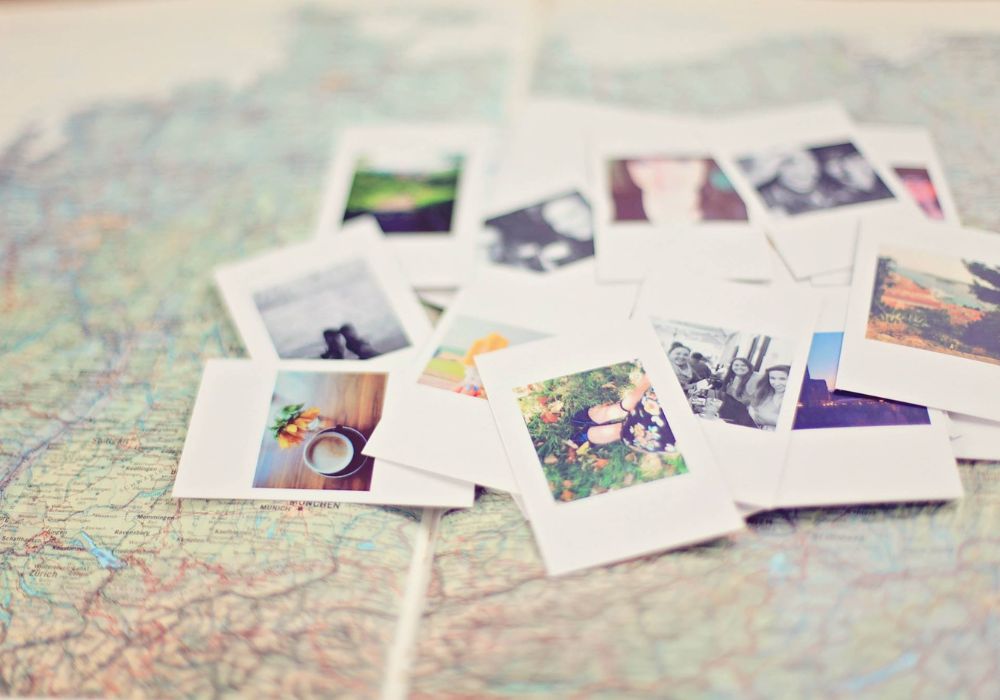
- Maps marking important locations
When selecting photos, choose clear images with good contrast, as visual perception may be affected by aging. Organize materials chronologically or thematically, creating a narrative flow that makes sense to the senior. Digitize fragile original documents to preserve them while displaying copies. Label items clearly with large, legible text that provides context—”Wedding Day, June 12, 1960″ is more meaningful than simply “Wedding.”
Step 3: Incorporate Multisensory Elements Effective memory walls engage multiple senses to create stronger connections. Consider adding:
- Textured items that invite touch, such as fabric samples or small objects with interesting surfaces
- Audio elements like recorded stories, favorite songs, or family messages accessible via simple playback devices
- Scent elements near the display (a small drawer with lavender from their garden, a hint of a signature perfume)
- Interactive components that can be manipulated, such as small boxes containing treasured items
Research from Healthline suggests that multisensory stimulation is particularly effective for individuals with dementia, as different sensory pathways can access memories when others are compromised. Keep these elements simple and intuitive to use without causing frustration.
Step 4: Create a Visually Accessible Display Design your memory wall with visual accessibility in mind. Mount items at eye level when the senior is in their typical position (seated or standing). Use contrasting backgrounds to make photos stand out—black or navy mats for lighter photos, white or cream for darker images. Arrange items with enough space between them to prevent visual confusion. Consider using shadow boxes to create depth and protect three-dimensional objects while keeping them visible. Secure items well to prevent falling, but use methods that allow for occasional rearrangement as interests change.
Engaging with the Memory Wall
Daily Interaction Routines: Establish regular times to engage with the memory wall together. Morning sessions can set a positive tone for the day, while evening interactions may help with sundowning symptoms. Keep these sessions brief (10-15 minutes) but meaningful. Ask open-ended questions like “What do you remember about this day?” rather than testing with “Do you remember this?” Accept whatever memories emerge without correction, focusing on emotional connection rather than factual accuracy.
Guided Reminiscence Activities: Use the memory wall as a foundation for structured reminiscence activities. Create themed conversation starters related to displayed items: “Tell me about your wedding day” or “What was your favorite part of this vacation?” Record these stories when possible, preserving them for future generations. For seniors with more advanced memory challenges, simplify questions: “This looks like a happy day—how does this picture make you feel?”
Family Involvement Opportunities: Encourage visiting family members to interact with the memory wall. Grandchildren can learn family history, adult children can reconnect with shared experiences, and the senior experiences the joy of sharing their legacy. Consider creating “memory wall scavenger hunts” for younger visitors, asking them to find specific items and learn their significance. These intergenerational activities strengthen family bonds while providing cognitive stimulation.
Seasonal Updates and Refreshes: Keep the memory wall dynamic by updating portions seasonally. During holidays, incorporate relevant photos and mementos from past celebrations. As the seasons change, feature images that reflect seasonal activities the senior enjoyed—gardening in spring, beach trips in summer. These updates prevent habituation (when familiar items fade into the background) and provide fresh opportunities for engagement.
Adapting for Different Cognitive Needs
Memory walls should evolve as cognitive needs change. For early-stage memory challenges, complex displays with detailed written descriptions may be appropriate. As cognitive abilities change, simplify the presentation while maintaining emotional impact. Reduce visual clutter by focusing on fewer, more significant items. Increase the size of photos and text. Consider incorporating more tactile elements that provide sensory engagement when verbal processing becomes difficult.
For seniors with advanced dementia, focus on images from young adulthood and childhood, as these memories often remain accessible longest. The Alzheimer’s Association notes that emotional memories frequently outlast factual ones, so emphasize images that evoke positive feelings rather than those requiring specific recall. Include familiar objects that can be handled safely, providing tactile comfort when verbal interaction becomes limited.
When to Seek Professional Support
Creating a memory wall can sometimes bring up challenging emotions for both seniors and family members. If you notice increased agitation, sadness, or anxiety during this process, consider consulting with a geriatric mental health specialist. These professionals can provide guidance on approaching sensitive topics and managing emotional responses.
Occupational therapists can offer valuable input on creating accessible memory displays for seniors with visual or physical limitations. They can recommend optimal heights, lighting solutions, and interactive elements tailored to specific abilities. For families struggling to gather or organize materials, professional organizers with senior specialization can provide practical assistance.
If your loved one resides in a care community, consult with staff before installing memory wall elements. Most facilities welcome such personalization but may have guidelines regarding installation methods or materials. Staff can also help integrate the memory wall into daily care routines, maximizing its therapeutic benefits.
For families managing complex care situations, geriatric care managers can coordinate memory project creation alongside other care needs. These professionals understand how environmental modifications support overall well-being and can help families prioritize interventions for maximum benefit.
The Wisconsin Aging and Disability Resource Centers offer information about local resources for families creating therapeutic environments for seniors. These centers can connect families with workshops, support groups, and professional services related to memory enhancement and cognitive support.
How Advanced Care Can Help
At Advanced Care, we understand that creating a supportive environment is essential for seniors aging in place, especially those experiencing cognitive changes. Our professional caregivers are trained to incorporate memory walls and other personalized environmental supports into comprehensive care plans that enhance quality of life and maintain independence.
Our care team can assist with every aspect of memory wall creation and utilization. During initial consultations, our registered nurses conduct thorough assessments that identify meaningful life experiences and preferences that should be highlighted in memory displays. These assessments inform personalized care plans that integrate memory wall interactions into daily routines, maximizing therapeutic benefits.
Advanced Care caregivers understand how to use memory walls effectively to stimulate conversation, reduce anxiety, and create meaningful engagement. Whether spending time reviewing family photos, discussing cherished mementos, or recording new stories inspired by the display, our caregivers facilitate interactions that strengthen cognitive connections and emotional well-being.
Beyond memory walls, Advanced Care provides comprehensive in-home services that complement cognitive support strategies. Our meal preparation services can incorporate favorite recipes featured on memory walls, creating multisensory connections to positive memories. Transportation services enable seniors to visit meaningful locations highlighted in their displays. Personal care assistance is delivered with knowledge of individual history and preferences, honoring the unique identity celebrated in the memory wall.
Creating a therapeutic memory wall represents just one aspect of Advanced Care’s holistic approach to supporting seniors in Mequon and throughout Kenosha, Milwaukee, Ozaukee, Racine, Sheboygan, Washington, and Waukesha counties. Our team of professionals is committed to preserving independence, dignity, and quality of life through personalized care solutions that honor each individual’s unique story.
To learn how Advanced Care can support your family in creating meaningful memory projects and providing comprehensive in-home care, contact us for a free consultation. Together, we can develop environmental supports and care strategies that celebrate your loved one’s legacy while enhancing their daily life.
Sources