Environmental Adaptations for Seniors with Limited Mobility: A Room-by-Room Guide
Key Takeaways
- Strategic home modifications can significantly reduce fall risks and extend independent living for seniors with mobility challenges
- Room-by-room adaptations should prioritize accessibility, safety, and ease of use with specific focus on bathroom and kitchen areas
- Technology solutions like voice-activated devices and smart home systems can enhance independence and safety for seniors with limited mobility
- Professional assessments from occupational therapists can identify personalized adaptation needs based on specific mobility limitations
- Advanced Care offers comprehensive home safety evaluations and implementation assistance to create safer living environments for seniors in Wisconsin
How Can I Make My Home Safer for a Senior with Mobility Challenges?
Creating a safer home environment for seniors with mobility limitations requires a systematic approach that addresses specific hazards in each room. By implementing targeted modifications—from removing tripping hazards to installing supportive equipment—you can significantly reduce fall risks while promoting independence and confidence for aging loved ones.
Understanding Mobility Challenges in Aging Adults
Mobility limitations represent one of the most common challenges facing older adults who wish to age in place. According to the Centers for Disease Control and Prevention (CDC), more than one in four Americans aged 65 and older falls each year, with falls being the leading cause of fatal and non-fatal injuries among seniors. For those with mobility challenges, these statistics become even more concerning.
Mobility limitations in seniors can stem from various sources, including chronic conditions like arthritis, Parkinson’s disease, or multiple sclerosis; the aftereffects of strokes or injuries; general age-related muscle weakness; balance disorders; or vision impairments. These conditions can make everyday movements—from standing up from a chair to navigating a narrow hallway—increasingly difficult and potentially hazardous.
The impact of mobility challenges extends far beyond physical safety concerns. Limited mobility often leads to decreased independence, which can trigger a cascade of negative outcomes including social isolation, depression, and accelerated physical decline. When seniors struggle to move safely within their homes, they may avoid essential activities like preparing nutritious meals, maintaining personal hygiene, or engaging in light exercise—all critical components of healthy aging.
The concept of “aging in place”—allowing seniors to remain in their own homes as they age—has gained significant traction in recent years. A survey by AARP found that approximately 77% of adults aged 50 and older want to remain in their current homes as they age. However, most American homes were not designed with the needs of aging adults in mind, featuring potential hazards like stairs, high cabinets, narrow doorways, and traditional bathtubs that become increasingly difficult to navigate safely with age.
Environmental adaptations represent a proactive approach to addressing these challenges. By modifying the home environment to accommodate changing physical abilities, seniors can maintain their independence longer while reducing the risk of falls and injuries. These adaptations range from simple, low-cost interventions like removing tripping hazards and improving lighting to more substantial modifications like installing grab bars, stairlifts, or wheelchair ramps.
The benefits of environmental adaptations extend beyond physical safety. Creating a more accessible living space allows seniors to maintain control over their daily routines, preserving dignity and quality of life. Additionally, these modifications can reduce caregiver burden and potentially delay the need for institutional care, resulting in significant emotional and financial benefits for seniors and their families.
Understanding the specific challenges faced by seniors with mobility limitations is the first step toward creating effective environmental adaptations. Each individual’s needs will vary based on their specific physical limitations, the layout of their home, and their personal preferences. A comprehensive approach that addresses these unique factors will yield the most successful outcomes for seniors aging in place.
Common Mobility Challenges and Home Safety Concerns
- Fall Hazards: Falls represent the most significant risk for seniors with mobility limitations. According to the Mayo Clinic, common home features that increase fall risk include loose rugs, cluttered walkways, poor lighting, and lack of supportive features in high-risk areas like bathrooms. Even a single fall can lead to serious injuries that significantly impact independence and quality of life. Environmental adaptations that eliminate these hazards can dramatically reduce fall risk.
- Accessibility Barriers: Many homes contain structural elements that become barriers for those with mobility challenges. These include stairs (both inside and outside the home), narrow doorways that can’t accommodate walkers or wheelchairs, high cabinets or shelving, and traditional bathroom fixtures like step-in tubs. These barriers can limit access to essential areas of the home, forcing seniors to either risk unsafe movements or become increasingly dependent on caregivers for daily activities.
- Reach and Manipulation Difficulties: As mobility decreases, the ability to reach items in high or low places becomes challenging. Additionally, many seniors develop difficulties with fine motor skills, making it harder to manipulate small objects, turn doorknobs, or operate traditional faucets. These challenges can impact independence in daily activities like cooking, cleaning, and personal care, potentially leading to nutritional deficiencies, hygiene issues, or increased dependence on others.
- Energy Conservation Needs: Seniors with mobility limitations often experience fatigue with physical exertion. Home layouts that require unnecessary movement—like bedrooms far from bathrooms or laundry facilities in basements—can exhaust limited energy reserves. Environmental adaptations that minimize required movement and provide resting spots throughout the home can help seniors conserve energy for essential and enjoyable activities.
Room-by-Room Adaptation Strategies
Entryways and Exterior Spaces
Ramp Installation: For homes with steps at entrances, installing a ramp with a gentle slope (ideally 1:12 ratio) provides wheelchair and walker access. Permanent ramps can be constructed from concrete or wood, while portable aluminum ramps offer flexibility for temporary needs or renters.
Threshold Modifications: Doorway thresholds higher than 1/2 inch can pose tripping hazards and wheelchair barriers. Install beveled threshold ramps or replace high thresholds with lower-profile options. For exterior doors, consider weather-sealed zero-threshold designs that eliminate the barrier entirely while maintaining protection from the elements.
Supportive Railings: Install sturdy handrails on both sides of exterior steps and along walkways where balance support might be needed. Railings should extend the full length of staircases and be mounted at approximately 34-38 inches high, with a diameter of 1.25-1.5 inches for optimal gripping.
Improved Lighting: Enhance visibility with motion-activated lighting that illuminates walkways, entrances, and potential hazards. Solar-powered path lights provide an energy-efficient solution for outdoor walkways, while bright, glare-free lighting at entrances improves safety during nighttime arrivals and departures.
Living Room and Common Areas
Furniture Arrangement: Create clear pathways at least 36 inches wide throughout common areas to accommodate walkers and wheelchairs. Arrange furniture to provide periodic resting spots and eliminate the need to walk long distances without support. Consider the turning radius needed for mobility devices (typically 5 feet for wheelchairs) when planning layouts.
Seating Modifications: Replace low, soft seating with firmer chairs featuring sturdy armrests that facilitate standing. Optimal seat height is typically 17-19 inches from the floor, allowing feet to rest flat while sitting with knees at approximately 90-degree angles. Chair risers can elevate existing furniture to appropriate heights without replacement costs.
Flooring Adaptations: Remove or secure area rugs that create tripping hazards. If area rugs are essential, use double-sided tape or non-slip pads underneath, and ensure edges are firmly secured. Consider replacing high-pile carpeting with low-pile options or smooth flooring like vinyl or laminate, which provides easier navigation for wheeled mobility devices.
Lighting Enhancements: Install rocker-style light switches at accessible heights (typically 36-44 inches from the floor) and consider motion-activated options that eliminate the need to locate switches in the dark. Increase ambient lighting throughout common areas, eliminating shadows and dark corners that can hide potential hazards.
Kitchen Adaptations
Cabinet Accessibility: Lower at least some cabinet shelving to within easy reach (typically between 15-48 inches from the floor). Install pull-out shelves or lazy Susans in existing cabinets to bring items forward without reaching. Consider replacing some upper cabinets with open shelving for frequently used items.
Counter Height Variations: Create work areas at multiple heights to accommodate both standing and seated food preparation. Standard counters (36 inches) work well for standing, while lower sections (28-34 inches) with knee clearance underneath accommodate wheelchair users or those who need to sit while cooking.
Appliance Selection: Replace traditional appliances with accessible models featuring front controls, side-by-side refrigerator/freezer configurations, and front-loading washers and dryers. For existing appliances, consider aftermarket adaptations like extended handles, tactile markers for common settings, or pull-out shelving beneath.
Faucet Replacement: Install lever-handled or touchless faucets that don’t require gripping or twisting motions. Extend-able spray nozzles reduce reaching, while temperature-limiting features prevent accidental scalding—a particular concern for those with decreased sensation or slower reaction times.
Bathroom Safety Modifications
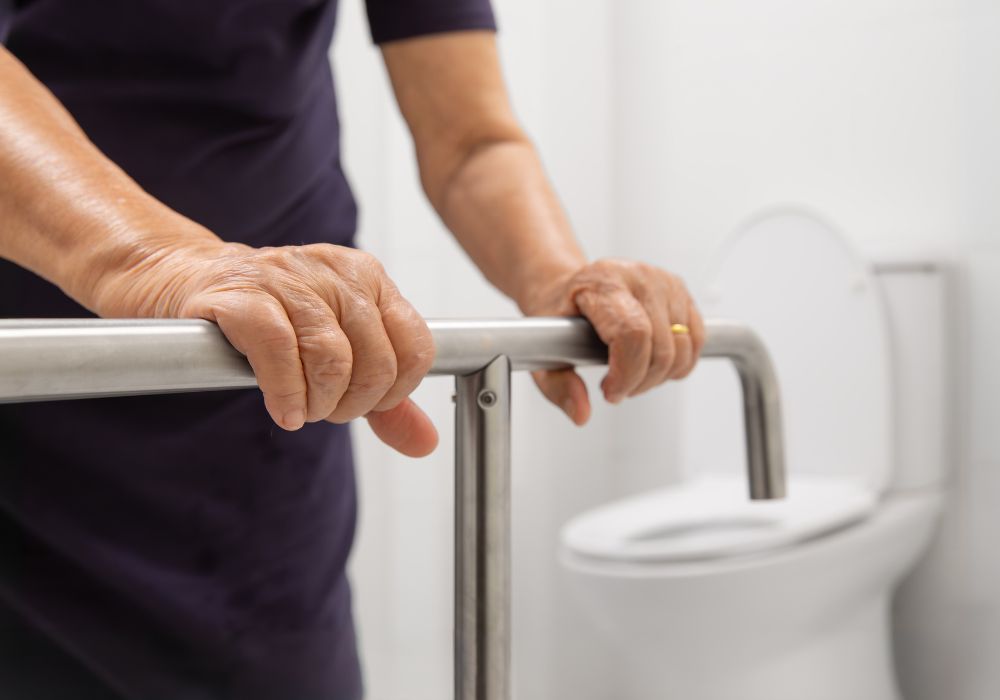
Grab Bar Installation: Install properly anchored grab bars near toilets and in shower/tub areas. Diagonal grab bars near toilets provide optimal support for both sitting and standing movements. In shower areas, place bars at both sitting and standing heights (33-36 inches for standing, 24-27 inches for seated use).
Shower Conversion: Replace traditional tubs with walk-in shower stalls featuring zero-threshold entries. Include a built-in bench or shower chair, non-slip flooring, and a handheld shower wand with controls accessible from a seated position. For those who prefer bathing, consider walk-in tubs with watertight doors, though these require longer fill and drain times.
Toilet Adaptations: Install raised toilet seats or comfort-height toilets (17-19 inches from floor to seat) that reduce the distance of sit-to-stand movements. Frame-mounted toilet surrounds provide additional support during transfers and can be removed if needs change, unlike permanently installed grab bars.
Sink Accessibility: Consider wall-mounted or pedestal sinks that provide knee clearance for seated use. Install lever-handled faucets and ensure mirrors are visible from both seated and standing positions. Anti-scald devices prevent temperature fluctuations that could cause burns during extended use.
Bedroom Modifications
Bed Height Adjustments: Optimize bed height for safe transfers—typically 20-23 inches from the floor to the top of the mattress when compressed. Bed risers can elevate too-low beds, while platform frames can lower beds that are too high. Consider electric adjustable beds that allow position changes without manual effort.
Closet Reorganization: Lower closet rods to accessible heights (typically 48 inches maximum) and install pull-down rods for higher storage. Replace traditional doorknobs with lever handles or consider removing closet doors entirely and replacing with curtains for easier access.
Nighttime Safety Features: Install bedside lighting with touch activation or voice control to eliminate reaching in the dark. Place nightlights along pathways to bathrooms, and consider motion-activated lighting that illuminates automatically when getting out of bed. Keep necessary items like phones, water, and medications within easy reach on nightstands.
Transfer Support: Install half-length bed rails that provide support when getting in and out of bed without creating entrapment hazards. Strategically placed grab bars or transfer poles near the bed offer additional support during transitions from lying to sitting and sitting to standing.
Innovative Technology Solutions for Enhanced Independence
Voice-Activated Controls: Smart home systems like Amazon Echo or Google Home allow voice control of lighting, temperature, entertainment systems, and even appliances. These systems eliminate the need to physically interact with switches and controls, providing greater independence for those with limited mobility or dexterity.
Motion-Activated Features: Install motion sensors that automatically activate lighting when someone enters a room, eliminating the need to locate and manipulate switches. Similar technology can be applied to faucets, soap dispensers, and even toilet flushing mechanisms, reducing the need for fine motor control in daily activities.
Remote Monitoring Systems: For seniors living alone, consider systems that monitor movement patterns and alert caregivers to potential problems. These range from simple personal emergency response systems (PERS) with wearable call buttons to sophisticated activity monitoring systems that learn normal patterns and detect concerning deviations.
Smart Medication Management: Automated medication dispensers with programmable alarms and remote monitoring capabilities help ensure proper medication adherence. Some advanced systems can be programmed and monitored by caregivers remotely, providing peace of mind while promoting independence.
When to Seek Professional Assessment and Support
While many environmental adaptations can be implemented independently, professional assessment often provides valuable insights and recommendations tailored to specific needs. Occupational therapists specializing in home modifications can evaluate both the physical environment and the individual’s specific limitations to recommend targeted adaptations that maximize safety and independence.
Professional assessments are particularly important when:
- Mobility limitations are severe or complex
- The home presents significant structural challenges
- Multiple health conditions affect mobility and function
- Recent hospitalization or significant health changes have occurred
- Safety concerns persist despite basic modifications
Medicare may cover home assessments by occupational therapists when ordered by a physician as medically necessary. Additionally, some long-term care insurance policies cover home modifications that support aging in place. The Wisconsin Department of Health Services and local Aging and Disability Resource Centers can provide information about financial assistance programs for home modifications.
For comprehensive support, consider contacting:
- Local Aging and Disability Resource Centers (ADRCs)
- Centers for Independent Living
- Wisconsin’s Elderly and Disabled Medicaid Waiver Program
- Veterans Administration (for qualified veterans)
- National Association of Home Builders Certified Aging-in-Place Specialists (CAPS)
These resources can provide assessments, recommendations, and potentially financial assistance for necessary home modifications. Additionally, they can connect seniors and families with reputable contractors experienced in accessibility modifications.
How Advanced Care Can Help
At Advanced Care, we understand that maintaining independence at home is a priority for seniors with mobility challenges throughout Kenosha, Milwaukee, Ozaukee, Racine, Sheboygan, Washington, and Waukesha counties. Our comprehensive approach to in-home care includes specialized support for implementing and maximizing the benefits of environmental adaptations.
Our team of over 250 professionals includes caregivers specifically trained in mobility support and fall prevention. During our free initial consultation and assessment, our registered nurses evaluate not only the individual’s physical needs but also the home environment, identifying potential hazards and opportunities for beneficial adaptations.
Advanced Care offers practical assistance with environmental modifications through several key services:
Home Safety Evaluations: Our team conducts thorough assessments of the home environment, identifying potential hazards and recommending specific modifications tailored to individual needs. These evaluations consider both immediate safety concerns and long-term accessibility needs as mobility changes over time.
Implementation Assistance: Our caregivers can assist with implementing many simple modifications, from reorganizing living spaces to eliminate hazards to helping arrange furniture for optimal accessibility. For more complex modifications, we coordinate with trusted local contractors and specialists experienced in accessibility adaptations.
Transfer and Mobility Support: While environmental adaptations are being implemented, our caregivers provide hands-on assistance with safe transfers and mobility. This support ensures safety during the transition period and helps seniors learn to effectively use new adaptive features and equipment.
Ongoing Adaptation: As mobility needs change, our bi-monthly wellness assessments help identify when additional environmental adaptations may be beneficial. This proactive approach helps prevent accidents before they occur by continuously aligning the home environment with current abilities and limitations.
Technology Integration: Our team helps seniors learn to use adaptive technologies that enhance independence, from simple devices like grabber tools to more sophisticated systems like voice-activated controls. This technology support bridges the gap between available solutions and practical implementation.
Coordination with Healthcare Providers: Advanced Care works closely with clients’ healthcare providers, including physical and occupational therapists, to ensure that environmental adaptations align with therapeutic goals and recommendations. This collaborative approach maximizes the effectiveness of both home modifications and therapy interventions.
Beyond physical adaptations, Advanced Care provides comprehensive in-home support services that complement environmental modifications, including:
- Personal care assistance with bathing, grooming, and dressing
- Meal preparation that accommodates mobility limitations
- Light housekeeping to maintain a safe, clutter-free environment
- Transportation to medical appointments and community activities
- Medication reminders and management
- Companionship that reduces isolation often associated with mobility challenges
Our personalized care plans are designed to evolve as needs change, ensuring that seniors receive appropriate support while maintaining maximum independence. By combining environmental adaptations with compassionate personal care, Advanced Care helps seniors with mobility limitations continue living safely and confidently in their own homes.
For families concerned about a loved one’s ability to navigate their home safely, Advanced Care offers peace of mind through professional support and guidance. Our team’s expertise in both personal care and environmental safety creates a comprehensive safety net that promotes independence while reducing fall risks and other hazards.
To learn more about how Advanced Care can help create a safer, more accessible home environment for you or your loved one, contact us today for a free consultation and home safety assessment. Our team serves communities throughout southeastern Wisconsin, providing personalized solutions that enhance safety, independence, and quality of life for seniors with mobility challenges.