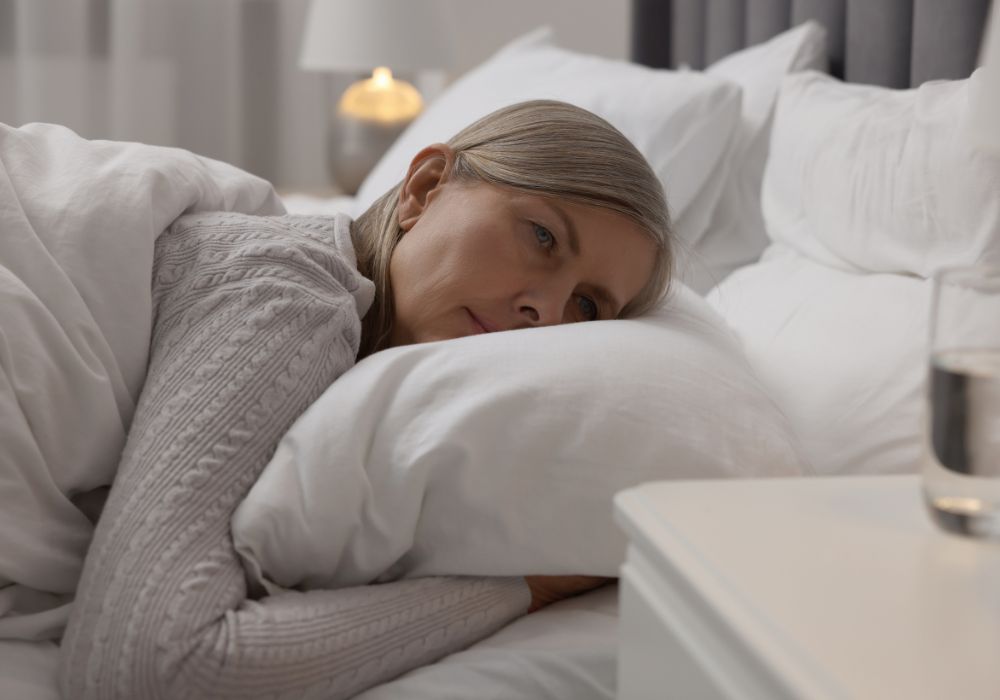
Senior Sleep Myths: Debunking Common Misconceptions About Sleep and Aging
Key Takeaways
-
Sleep needs don’t significantly decrease with age; most seniors still require 7-8 hours of quality sleep per night
-
Many sleep issues common in older adults are related to health conditions or lifestyle factors, not normal aging
-
Proper sleep hygiene and environmental adjustments can dramatically improve sleep quality for seniors
-
Untreated sleep disorders like sleep apnea and insomnia can contribute to serious health problems in older adults
-
Advanced Care provides personalized in-home support to help seniors establish healthy sleep routines and environments
Do Seniors Really Need Less Sleep as They Age?
The belief that older adults need less sleep is one of the most persistent myths about aging. While sleep patterns may change with age, research from the National Institute on Aging shows that older adults still need approximately 7-8 hours of quality sleep per night—similar to younger adults. What often changes is sleep architecture (the stages and cycles of sleep), not the fundamental need for restorative rest.
Understanding Sleep Changes in Older Adults
Sleep is a fundamental biological process that affects every aspect of our health, from cognitive function to immune system strength. As we age, certain natural changes to our sleep patterns do occur, but many of the sleep problems commonly associated with aging are not inevitable consequences of growing older.
According to the National Institute on Aging, about 40-70% of older adults experience chronic sleep issues. However, these problems are often related to health conditions, medications, or lifestyle factors rather than aging itself. Understanding the difference between normal age-related sleep changes and problematic sleep disorders is crucial for maintaining health and quality of life in the senior years.
Normal age-related sleep changes include slightly earlier bedtimes and wake times (a shift in circadian rhythm), taking longer to fall asleep, experiencing more nighttime awakenings, and spending less time in deep sleep stages. These changes don’t necessarily indicate a problem if the person still feels rested during the day.
The misconception that poor sleep is an inevitable part of aging can prevent seniors from seeking help for treatable sleep disorders. This can have serious consequences, as untreated sleep problems are associated with increased risk of falls, cognitive decline, cardiovascular disease, diabetes, and depression.
Research from the Mayo Clinic indicates that many seniors accept sleep problems as normal when they should be addressed as health concerns. For example, sleep apnea affects approximately 20-25% of older adults but remains undiagnosed in many cases. Similarly, insomnia affects nearly 50% of adults over 60 at some point, yet many don’t discuss these symptoms with healthcare providers.
The relationship between sleep and aging is bidirectional—aging affects sleep quality, but poor sleep can accelerate aspects of the aging process. Studies have shown that chronic sleep deprivation can accelerate cellular aging and impair the body’s ability to repair itself. Conversely, consistent quality sleep supports cognitive function, emotional regulation, and physical health, potentially slowing certain aspects of age-related decline.
Understanding the complex relationship between sleep and aging is the first step toward addressing sleep problems effectively. By recognizing that poor sleep is not an inevitable consequence of aging, seniors and their caregivers can take proactive steps to improve sleep quality and overall well-being.
Common Sleep Myths and Misconceptions About Senior Sleep
- Myth: Seniors Need Less Sleep Than Younger Adults
Perhaps the most pervasive myth is that older adults simply don’t need as much sleep. While sleep patterns may change with age, research from the National Institute on Aging consistently shows that older adults still require 7-8 hours of quality sleep per night. The confusion stems from the fact that many seniors have difficulty obtaining this amount of uninterrupted sleep, leading to the misconception that they need less. In reality, insufficient sleep in seniors contributes to health problems, cognitive decline, and reduced quality of life—just as it does in younger adults.
- Myth: Daytime Napping Means You’re Getting Enough Sleep
Many assume that if an older adult naps during the day, they must be getting sufficient sleep overall. However, excessive daytime sleepiness and frequent napping often indicate nighttime sleep problems rather than adequate rest. While short naps (20-30 minutes) can be beneficial, longer or multiple daily naps may disrupt nighttime sleep and create a cycle of poor sleep quality. According to the Mayo Clinic, consistent daytime drowsiness in seniors should be evaluated by a healthcare provider, as it may signal an underlying sleep disorder or health condition.
- Myth: Insomnia is Just Part of Getting Older
Many seniors and even some healthcare providers dismiss chronic insomnia as an inevitable part of aging. This is dangerous because insomnia is a treatable condition at any age. Healthline reports that while up to 50% of older adults complain of insomnia symptoms, these are often related to specific causes such as pain, medication side effects, anxiety, depression, or other health conditions—not aging itself. Accepting insomnia as normal prevents seniors from seeking effective treatments that could significantly improve their quality of life.
- Myth: Medications Are the Best Solution for Sleep Problems
T Create an Optimal Sleep Environment** The sleep environment plays a crucial role in sleep quality for people of all ages, but it becomes even more important for seniors. Start by ensuring the bedroom is quiet, dark, and maintained at a comfortable temperature (typically between 60-67°F). Many older adults benefit from blackout curtains to block ambient light, which can be particularly disruptive as sensitivity to light increases with age.
Consider investing in a supportive mattress and pillows that accommodate age-related changes in posture and comfort needs. For seniors with arthritis or joint pain, memory foam mattresses or mattress toppers can provide pressure relief. Those with respiratory conditions may benefit from adjustable beds that allow for elevation of the head.
Noise reduction strategies are also important. While complete silence works best for some, others may benefit from white noise machines that mask disruptive sounds. For seniors with hearing aids, proper management of these devices at bedtime is essential—either removing them or adjusting settings appropriately for sleep.
Strategy 2: Establish Consistent Sleep-Wake Routines The body’s internal clock (circadian rhythm) naturally shifts with age, typically causing seniors to feel sleepy earlier in the evening and wake earlier in the morning. Working with—rather than against—this natural shift can improve sleep quality significantly.
Establish consistent bedtimes and wake times, even on weekends. This regularity helps reinforce the body’s sleep-wake cycle. Create relaxing pre-sleep routines that signal to the body that it’s time to wind down. This might include gentle stretching, reading (not on electronic devices), listening to calming music, or taking a warm bath.
Morning routines are equally important. Exposure to bright light upon waking helps reset the circadian rhythm. Encourage seniors to get outside in the morning when possible, or use light therapy devices during winter months or for those with limited mobility.
Strategy 3: Manage Health Conditions That Impact Sleep Many health conditions common in seniors directly impact sleep quality. Proactive management of these conditions can lead to significant sleep improvements.
For arthritis and chronic pain, timing pain medications to provide maximum relief during sleep hours can be helpful. Working with healthcare providers to optimize pain management strategies is essential. For seniors with gastroesophageal reflux disease (GERD), avoiding meals within three hours of bedtime and elevating the head of the bed can reduce nighttime symptoms.
Respiratory conditions like COPD or sleep apnea require specific interventions. Proper use of prescribed treatments such as CPAP machines for sleep apnea is crucial. For those with nocturia (frequent nighttime urination), limiting fluid intake in the evening and ensuring pathways to the bathroom are well-lit and obstacle-free can improve safety and minimize sleep disruption.
Mental health conditions also significantly impact sleep. Depression and anxiety are common in older adults and frequently manifest as sleep disturbances. Cognitive behavioral therapy (CBT) has shown excellent results for addressing both the mental health conditions and associated sleep problems.
Strategy 4: Optimize Daytime Habits for Better Night Sleep What happens during the day significantly impacts nighttime sleep quality. Physical activity is one of the most powerful sleep promoters, but timing matters. The National Institute on Aging recommends regular physical activity for seniors, but suggests completing exercise at least 3-4 hours before bedtime to avoid stimulation close to sleep time.
Caffeine sensitivity often increases with age, so limiting caffeine after noon is advisable for many seniors. Similarly, while a small amount of alcohol might initially induce drowsiness, it ultimately disrupts sleep architecture and quality, leading to fragmented sleep in the second half of the night.
Exposure to natural light during the day helps maintain healthy circadian rhythms. Seniors should aim for at least 30 minutes of natural light exposure daily, preferably in the morning. For those with limited mobility or during inclement weather, sitting near a window or using light therapy devices can provide similar benefits.
Social engagement also plays a role in sleep quality. Isolation and loneliness are associated with poor sleep in seniors. Regular social interaction—whether in-person or virtual—helps maintain mental well-being and supports healthy sleep patterns.
Recognizing When to Seek Professional Help
While many sleep issues can be improved through lifestyle and environmental changes, certain symptoms warrant professional evaluation. Persistent insomnia, excessive daytime sleepiness despite adequate nighttime sleep opportunity, loud snoring accompanied by gasping or choking, and restless legs or periodic limb movements during sleep all deserve medical attention.
Sleep disorders become more common with age but are not inevitable consequences of aging. Sleep apnea, for instance, affects approximately 20-25% of older adults and can significantly impact cardiovascular health if left untreated. Insomnia disorder affects nearly 50% of adults over 60 at some point and can be effectively treated with cognitive behavioral therapy for insomnia (CBT-I).
The evaluation process typically begins with a comprehensive sleep history, often involving both the senior and their sleep partner or caregiver. Sleep diaries maintained for 1-2 weeks provide valuable information about sleep patterns and potential contributing factors. In some cases, home sleep testing or formal sleep studies (polysomnography) may be recommended to diagnose specific sleep disorders.
Healthcare providers may include primary care physicians, geriatricians, pulmonologists, neurologists, or board-certified sleep specialists, depending on the presenting symptoms. Many communities also have dedicated sleep centers that specialize in diagnosing and treating sleep disorders across the lifespan.
When seeking professional help, it’s important to bring a complete list of current medications (including over-the-counter medications and supplements), as many can affect sleep quality. Being prepared to discuss both nighttime symptoms and daytime functioning provides the most comprehensive picture for healthcare providers.
How Advanced Care Can Help
At Advanced Care, we understand that quality sleep is fundamental to overall health and well-being for seniors. Our personalized in-home care services address many factors that can disrupt sleep for older adults, helping them establish healthy sleep routines and environments.
Our professional caregivers are trained to recognize signs of sleep disturbances and can assist clients in implementing the sleep improvement strategies recommended by healthcare providers. This personalized approach is particularly valuable since sleep needs and challenges vary significantly from person to person.
For seniors struggling with physical limitations that affect sleep, our personal care services can make a significant difference. Assistance with hygiene, comfortable positioning in bed, and management of pain or discomfort can help clients prepare physically for restful sleep. Our caregivers can also assist with bathroom visits during the night, reducing anxiety about falls and helping clients return to sleep more quickly after necessary awakenings.
Environmental factors play a crucial role in sleep quality, and our home assistance services address many of these concerns. Light housekeeping ensures the bedroom remains a clean, uncluttered space conducive to rest. Meal preparation services help clients maintain regular eating schedules and nutritional balance, both of which support healthy sleep patterns. For seniors with specific dietary needs related to sleep (such as limiting caffeine or avoiding heavy meals before bedtime), our caregivers can prepare appropriate meals and snacks.
Medication management is another important aspect of sleep health. Our caregivers provide medication reminders, ensuring that prescriptions are taken at the optimal times for sleep support. The bi-monthly nurse assessments included in our services allow for regular monitoring of sleep patterns and any potential medication side effects that might be impacting rest.
Physical activity is one of the most effective natural sleep promoters, and our mobility support services help seniors maintain appropriate activity levels. From assistance with walking to support for prescribed exercise routines, our caregivers help clients stay active during the day to promote better sleep at night.
For seniors whose sleep is affected by anxiety or isolation, the companionship provided by our caregivers can be invaluable. Regular social interaction and emotional support help reduce stress and create the sense of security that facilitates restful sleep. Our transportation services also enable clients to maintain important social connections and attend activities that contribute to overall well-being and healthy sleep-wake cycles.
The Advanced Care team works collaboratively with clients’ healthcare providers to implement recommended sleep interventions. Our care coordinators and registered nurses can help communicate concerns about sleep issues to medical teams and ensure that treatment plans are followed consistently. This coordination is particularly important for seniors with complex health needs that affect sleep, such as chronic pain, respiratory conditions, or cognitive changes.
Our customized care plans adapt to the changing needs of clients, recognizing that sleep patterns and challenges may evolve over time. The comprehensive annual assessments we provide include evaluation of sleep quality and factors that might be affecting rest, allowing us to adjust services proactively as needs change.
Serving the Kenosha, Milwaukee, Ozaukee, Racine, Sheboygan, Washington, and Waukesha areas, Advanced Care is committed to helping seniors maintain independence at home—and quality sleep is essential to that independence. By addressing the factors that disrupt sleep and implementing strategies to improve rest, our team helps clients enjoy better overall health, enhanced cognitive function, improved mood, and greater quality of life.
If you or a loved one is struggling with sleep issues, contact Advanced Care for a free consultation and assessment. Our team can help develop a personalized care plan that addresses sleep challenges and supports overall wellness, allowing seniors to remain comfortably and confidently in their homes.