The Impact of Color and Decor on Senior Mood and Cognitive Health
Key Takeaways
-
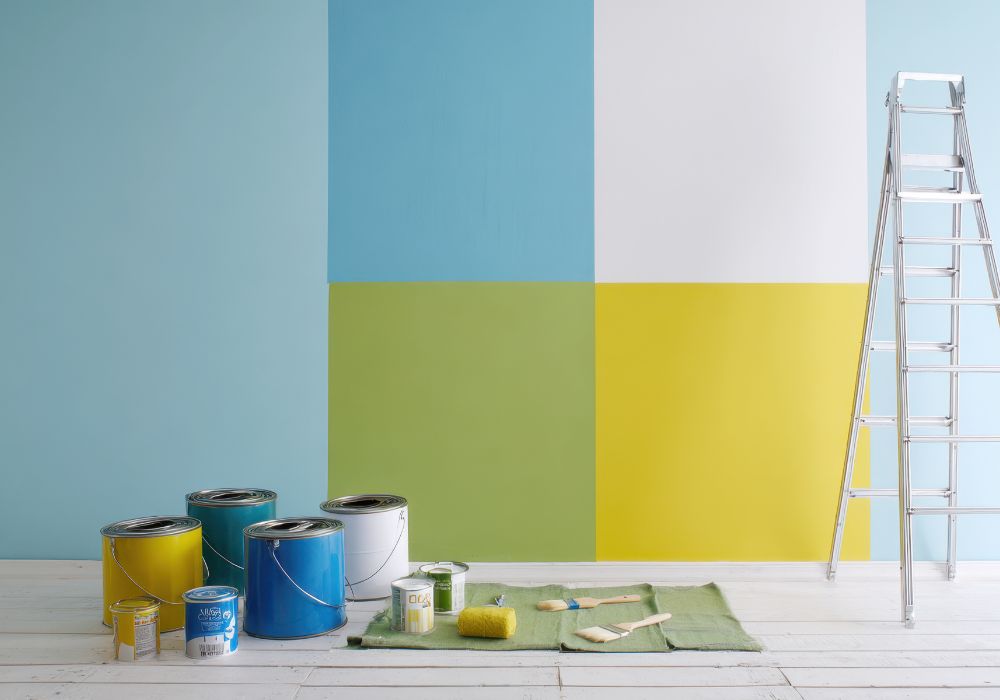
Thoughtfully selected colors can significantly reduce anxiety and depression in seniors, with blues and greens promoting calm while warmer tones stimulate appetite and social engagement
-
Strategic decor choices that balance familiarity with stimulation can improve cognitive function and reduce confusion in older adults
-
Proper lighting design reduces fall risks by 30% while simultaneously combating seasonal affective disorder and improving sleep quality
-
Personalized spaces with meaningful mementos strengthen identity and provide cognitive anchors for seniors with memory challenges
-
Contact Advanced Care for a free home assessment to optimize your loved one’s living environment for improved mood and cognitive health
How Does Environment Affect Seniors’ Mental Well-being?
The spaces we inhabit profoundly influence our mental state, particularly for older adults who often spend 80-90% of their time at home. Research from the Mayo Clinic demonstrates that environmental factors like color, light, and decor directly impact stress hormones, sleep quality, and cognitive function in seniors. Creating thoughtful living spaces isn’t merely decorative—it’s an essential component of comprehensive senior care.
Understanding the Science Behind Environmental Design for Seniors
The connection between environment and well-being isn’t merely anecdotal—it’s grounded in neuroscience. As we age, our brains process sensory information differently. The visual cortex becomes less efficient at filtering stimuli, making seniors more susceptible to environmental influences. According to research from the Alzheimer’s Association, this heightened sensitivity can be both a challenge and an opportunity when designing spaces for older adults.
Color perception changes with age due to the yellowing of the eye’s lens. Blues appear faded, while reds and oranges become more prominent. This shift impacts how seniors experience their surroundings. Additionally, the aging brain’s response to environmental cues becomes more pronounced, with direct pathways between visual processing centers and the amygdala (emotion center) and hippocampus (memory center).
The field of neuroaesthetics, which studies how visual elements affect brain function, has demonstrated that environmental design influences cognitive processing, emotional regulation, and memory retrieval in older adults. For instance, high-contrast colors improve spatial awareness, potentially reducing fall risk. Meanwhile, familiar objects activate long-term memory networks, supporting cognitive function.
For seniors with cognitive impairments, environmental design becomes even more crucial. The Alzheimer’s Association reports that thoughtfully designed spaces can reduce agitation, wandering, and confusion by 40-50%. As short-term memory declines, the physical environment serves as an external memory system, providing cues for daily functioning.
Moreover, the concept of “embodied cognition”—how physical surroundings influence thinking processes—explains why environmental modifications can improve cognitive performance. When spaces are designed with seniors’ specific perceptual and cognitive needs in mind, they support rather than hinder mental functioning.
Understanding these neurological mechanisms allows caregivers and families to make evidence-based decisions about home environments. The goal isn’t simply aesthetic appeal but creating spaces that actively support brain health, emotional well-being, and cognitive function as we age.
Key Environmental Factors Affecting Senior Well-being
-
Color Psychology and Aging Vision: Color perception changes significantly with age. The lens of the eye yellows, making blues appear faded while reds and yellows become more prominent. According to research from the Mayo Clinic, these vision changes mean seniors need 30% more contrast to distinguish between colors than younger adults. Blues and greens tend to promote calm and reduce blood pressure, making them ideal for bedrooms and relaxation spaces. Warmer tones like reds, oranges, and yellows can stimulate appetite and social engagement—perfect for dining and community areas. However, these must be used judiciously as they can become overwhelming or agitating when overused. High-contrast color schemes (like dark furniture against light walls) help seniors with depth perception challenges navigate spaces more safely, reducing fall risks.
-
Lighting Considerations: Proper lighting addresses multiple aspects of senior health. The aging eye requires three times more light than younger eyes for the same level of visual acuity. Poor lighting contributes significantly to falls—the leading cause of injury among older adults. Beyond safety, lighting affects circadian rhythms and mood. Seniors are particularly vulnerable to Seasonal Affective Disorder (SAD), with studies showing that exposure to bright, full-spectrum light can reduce depression symptoms by up to 40%. Smart lighting systems that mimic natural daylight patterns help regulate sleep-wake cycles, potentially reducing insomnia and improving cognitive function. Eliminating glare through diffused lighting is equally important, as glare causes visual discomfort and can trigger headaches in sensitive individuals.
-
Sensory Stimulation Through Texture: Touch sensitivity often decreases with age, making varied textures important for sensory stimulation. Research from AARP shows that multi-sensory environments help maintain cognitive function by creating more neural connections. Incorporating different textures—smooth wood, soft fabrics, woven materials—provides tactile stimulation that supports brain health. For seniors with dementia, sensory-rich environments can reduce agitation and improve mood. However, balance is crucial—overstimulation can lead to anxiety or confusion. Thoughtfully selected textural elements like soft throw blankets, textured wallpaper, or natural materials provide beneficial stimulation without overwhelming sensitive individuals.
-
Familiarity and Personalization: The psychological concept of “place attachment” becomes increasingly important with age. Familiar surroundings provide security and cognitive anchors, particularly valuable for those with memory challenges. Personal items—family photos, meaningful artwork, cherished possessions—strengthen identity and create a sense of continuity. The Alzheimer’s Association notes that personalized spaces can reduce anxiety and disorientation in people with dementia by up to 60%. Even in care settings, incorporating personal items helps maintain identity and supports emotional well-being. Creating memory corners or display areas for meaningful objects provides both cognitive stimulation and emotional comfort.
Effective Design Strategies for Enhanced Senior Well-being
Strategy 1: Create Color Zones for Different Activities Implement color zoning to support different activities and emotional states throughout the home. Use cooler tones (blues, soft greens) in bedrooms and reading areas to promote relaxation and stress reduction. According to the Mayo Clinic, these colors can lower blood pressure and heart rate, supporting better sleep quality. For dining areas, incorporate warmer tones like soft oranges or terracotta that stimulate appetite and social engagement. Many seniors experience decreased appetite, and these colors can help counteract this tendency.
In bathrooms and hallways, focus on high-contrast color schemes that clearly delineate walls from floors, reducing fall risks. White fixtures against colored walls make bathrooms more navigable for those with vision impairments. Avoid highly saturated or bright colors that can cause overstimulation or visual confusion. Instead, opt for muted versions of colors that provide adequate contrast without overwhelming the senses. Consider using color-coding for organizational purposes—different colored baskets for medications versus toiletries, for example—to support memory and independence.
Strategy 2: Optimize Lighting for Safety and Circadian Health Implement a comprehensive lighting strategy that addresses both safety and biological needs. Start with ambient lighting that provides overall illumination without shadows or dark spots, particularly in transition areas like hallways and stairways. Add task lighting in areas where detailed activities occur, such as reading corners, kitchen counters, and bathroom vanities. The American Lighting Association recommends light levels 30% higher for seniors than for younger adults.
Install motion-sensor night lights in bathrooms, hallways, and bedrooms to prevent falls during nighttime transitions. Consider circadian lighting systems that adjust color temperature throughout the day—cooler, brighter light in mornings to support alertness and warmer, dimmer light in evenings to promote melatonin production. For seniors with Seasonal Affective Disorder, incorporate full-spectrum light therapy lamps in commonly used morning spaces. Eliminate glare by using frosted bulbs, lampshades, or indirect lighting techniques, as glare causes discomfort and can trigger headaches in sensitive individuals.
Strategy 3: Balance Familiarity with Stimulation Create environments that balance comforting familiarity with healthy stimulation. Start by preserving meaningful personal items that support identity and provide emotional security. Research from the Alzheimer’s Association shows that familiar objects serve as cognitive anchors, particularly valuable for those with memory challenges. Arrange these items in “memory stations” throughout the home—a family photo gallery wall or a display of collected treasures.
Introduce controlled novelty through rotating seasonal decorations or changing artwork to provide cognitive stimulation without causing disorientation. Studies from AARP indicate that novel visual stimuli support cognitive health by creating new neural connections. Consider using nature themes, which universally reduce stress and provide gentle stimulation. Bring the outdoors in with plants, nature photography, or natural materials like wood and stone. For those with more advanced cognitive impairments, create sensory stations with different textures, scents, and visual elements that can be explored safely.
Strategy 4: Design for Autonomy and Accessibility Integrate design elements that support independence while accommodating changing abilities. Use color and contrast to make important objects and spatial features more visible—dark switch plates on light walls, colorful handles on cabinets, or brightly colored eating utensils against neutral placemats. These visual cues support continued independence in daily activities.
Create intuitive navigation paths through furniture arrangement and visual landmarks. Clear pathways free of obstacles reduce fall risks while supporting mobility. Consider using different flooring textures or colors to subtly indicate transitions between spaces, helping with orientation. For those with memory challenges, incorporate memory cues like labeled cabinets with both words and pictures, or color-coded doors for different rooms. These environmental supports compensate for cognitive changes while preserving dignity and autonomy.
Ensure seating areas have appropriate height, firmness, and armrests to support safe transitions. Position furniture to create conversation areas that naturally encourage social interaction, as social engagement is a key factor in cognitive health. Include accessible storage within reach to support independence in daily activities and reduce frustration.
Adapting Environments for Specific Cognitive Needs
When cognitive challenges are present, environmental design becomes even more crucial. For seniors with mild cognitive impairment or early-stage dementia, creating a supportive environment can significantly enhance function and quality of life.
Visual Cues and Memory Support Implement clear visual cues throughout the living space. Label cabinets and drawers with both words and images showing their contents. Use consistent color-coding—perhaps blue for bathroom items and green for kitchen tools. These visual systems support memory and reduce frustration. Create memory centers near entryways with clearly visible calendars, medication reminders, and daily schedules. The Alzheimer’s Association recommends using clocks and calendars that explicitly show “Monday Morning” rather than just time and date, as this contextual information is more meaningful.
Reducing Visual Complexity Simplify visual environments to reduce cognitive load. Solid-colored furnishings are preferable to busy patterns that can cause visual confusion or agitation. Remove unnecessary decorative objects that don’t serve a purpose or hold emotional significance. Reduce mirror use, as reflections can be confusing or distressing for those with more advanced cognitive impairments. Create clear visual contrast between objects and their backgrounds—a dark chair against a light wall, for example—to support visual processing.
Creating Sensory Balance Design multi-sensory environments that provide appropriate stimulation without overwhelming. Incorporate pleasant, familiar scents like lavender or vanilla, which research shows can reduce agitation and improve mood. Use sound thoughtfully—soft background music from a senior’s young adult years can evoke positive emotions and memories. Consider textural elements that invite touch and exploration, such as soft blankets or tactile wall hangings in areas where a person spends significant time.
Supporting Wayfinding and Orientation Use environmental design to support orientation and navigation. Different colors for different rooms help with location recognition. Personal items or photographs near bedroom doors help identify private spaces. For those with more advanced needs, picture signs on bathroom doors or kitchen entrances provide clear navigational cues. Consider using contrasting colors for doorframes to make entrances more visible, and ensure adequate lighting in these transition areas.
How Advanced Care Can Help
At Advanced Care, we understand that the environment plays a crucial role in the overall well-being of seniors aging in place. Our comprehensive approach to in-home care includes expert guidance on creating supportive living spaces that enhance mood, cognitive function, and independence. Our team of over 250 professionals brings specialized knowledge about environmental modifications that can significantly improve quality of life.
Our care coordinators and registered nurses conduct thorough home assessments to identify environmental factors that may be affecting your loved one’s well-being. During these assessments, we evaluate lighting conditions, color schemes, furniture arrangement, and overall home organization to identify opportunities for improvement. We understand that each client has unique needs and preferences, so our recommendations are always personalized and respectful of individual tastes and histories.
For clients with cognitive challenges, our memory care specialists can recommend specific environmental modifications based on the latest research. We can help implement color-coding systems, enhance visual cues, and create sensory-balanced spaces that reduce confusion and support function. Our team can advise on creating memory stations with meaningful personal items that strengthen identity and provide cognitive anchors.
Our caregivers are trained to maintain and enhance these supportive environments during their regular visits. They can help rotate seasonal decorations, ensure adequate lighting throughout the day, and maintain organizational systems that support independence. For clients who would benefit from bringing nature indoors, our team can assist with plant care or help create window views that connect with the natural world.
Beyond physical modifications, our caregivers understand the importance of sensory experiences in cognitive health. They can engage clients in activities that stimulate multiple senses—baking favorite recipes that fill the home with familiar scents, playing music from significant life periods, or working with textural crafts that provide tactile stimulation.
For families considering more substantial home modifications, our care coordinators can connect you with trusted local resources, including interior designers who specialize in senior environments or contractors experienced in accessibility modifications. We can help coordinate these services to minimize disruption and ensure changes meet your loved one’s specific needs.
Our bi-monthly wellness assessments include evaluation of how environmental factors are affecting your loved one’s mood, sleep quality, and cognitive function. As needs change, we adapt our recommendations and care plans accordingly. This ongoing monitoring ensures that the home environment continues to support well-being even as abilities or preferences evolve.
At Advanced Care, we believe that thoughtful environmental design is not a luxury but an essential component of comprehensive care. By creating spaces that support cognitive health, reduce anxiety, and promote independence, we help seniors in Kenosha, Milwaukee, Ozaukee, Racine, Sheboygan, Washington, and Waukesha counties continue to thrive in the homes they love. Contact us today for a free consultation and home assessment to discover how environmental modifications can enhance your loved one’s quality of life.