The Role of Hydration in Senior Skin Health: Tips for Glowing Skin
Key Takeaways
-
Proper hydration is essential for maintaining skin elasticity and preventing premature aging in seniors
-
Age-related changes reduce the skin’s ability to retain moisture, making consistent hydration practices crucial
-
Both internal hydration through adequate water intake and external moisturizing are necessary for optimal skin health
-
Simple daily routines including drinking water, using gentle skincare products, and maintaining humidity levels can significantly improve senior skin appearance
-
Professional in-home care support can help seniors maintain consistent hydration and skincare routines for healthier, more radiant skin
Why Does Senior Skin Require Special Hydration Attention?
Senior skin faces unique challenges that make proper hydration more critical than ever. As we age, our skin naturally becomes thinner, produces less oil, and loses its ability to retain moisture effectively, leading to increased dryness, irritation, and visible signs of aging.
Understanding the Connection Between Aging and Skin Hydration
As individuals enter their senior years, their skin undergoes significant physiological changes that directly impact its hydration levels and overall health. The aging process affects multiple layers of skin structure, creating a cascade of changes that require adjusted care approaches to maintain healthy, glowing skin.
The outermost layer of skin, known as the stratum corneum, serves as the body’s primary barrier against moisture loss. In younger individuals, this barrier functions efficiently, maintaining optimal hydration levels through natural oil production and cellular turnover. However, as people age, this protective barrier weakens considerably. The skin’s natural oil production decreases by approximately 10% per decade after age 30, with more dramatic reductions occurring after menopause in women and around age 60 in men.
Additionally, the skin’s ability to produce hyaluronic acid, a substance that can hold up to 1,000 times its weight in water, diminishes significantly with age. This reduction directly impacts the skin’s capacity to maintain moisture, leading to the characteristic dryness, fine lines, and loss of plumpness commonly observed in senior skin.
The cellular turnover process also slows dramatically as individuals age. While younger skin regenerates approximately every 28 days, senior skin may take 45-60 days or longer to complete this cycle. This slower regeneration means that dead, dry skin cells accumulate on the surface longer, creating a dull appearance and further compromising the skin’s barrier function.
Environmental factors compound these age-related changes. Years of sun exposure, harsh weather conditions, and lifestyle factors create cumulative damage that affects the skin’s structural integrity. The collagen and elastin fibers that provide skin with its strength, elasticity, and moisture-retaining capabilities become fragmented and reduced, contributing to the formation of wrinkles and the skin’s decreased ability to bounce back from dehydration.
Blood circulation also tends to decrease with age, reducing the delivery of nutrients and oxygen to skin cells. This diminished circulation affects the skin’s ability to repair itself and maintain optimal hydration levels. Furthermore, many seniors take medications that can have dehydrating effects or may not consume adequate amounts of water throughout the day, exacerbating skin dryness issues.
Understanding these interconnected factors is crucial for developing effective hydration strategies for senior skin. The goal is not simply to replace lost moisture but to support the skin’s natural barrier function, promote healthy cellular turnover, and protect against further moisture loss. This comprehensive approach requires both internal hydration through proper fluid intake and external care through appropriate skincare products and environmental modifications.
Common Hydration-Related Skin Issues in Seniors
-
Xerosis (Severe Dry Skin): This condition affects up to 85% of seniors and presents as rough, scaly patches that can become itchy and uncomfortable. Xerosis occurs when the skin loses its ability to retain moisture effectively, often appearing first on the lower legs, arms, and hands where oil glands are less concentrated.
-
Increased Sensitivity and Irritation: Dehydrated senior skin becomes more susceptible to irritants, allergens, and environmental factors. The compromised skin barrier allows irritants to penetrate more easily, leading to redness, burning sensations, and inflammatory reactions that younger, well-hydrated skin might easily resist.
-
Delayed Wound Healing: Proper hydration is essential for optimal wound healing processes. Dehydrated skin in seniors heals more slowly, increasing the risk of infection and scarring. Even minor cuts, scratches, or pressure sores take longer to resolve when the skin lacks adequate moisture content.
-
Accelerated Visible Aging: Dehydration accentuates fine lines, wrinkles, and age spots, making seniors appear older than their chronological age. Well-hydrated skin appears plumper and more radiant, while dehydrated skin looks dull, crepe-like, and emphasizes every imperfection.
Effective Hydration Strategies for Glowing Senior Skin
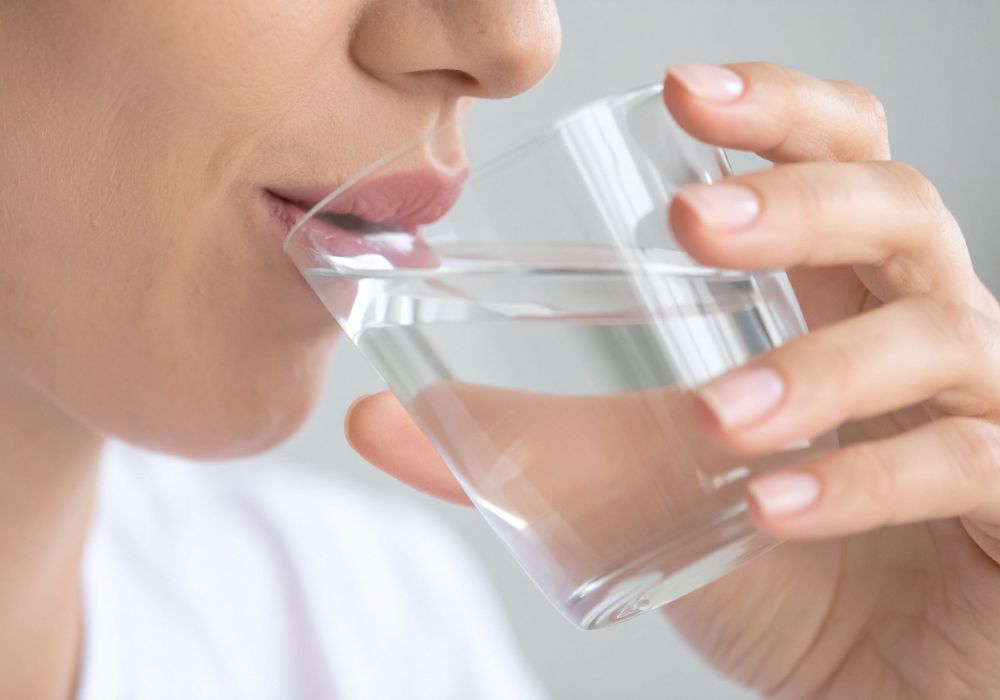
Strategy 1: Optimize Daily Water Intake: Seniors should aim for at least 8 glasses of water daily, though individual needs may vary based on health conditions, medications, and activity levels. Many seniors experience decreased thirst sensation, making it important to establish regular drinking schedules rather than relying on thirst cues. Consider using marked water bottles, setting phone reminders, or incorporating water-rich foods like watermelon, cucumber, and soups into daily meals. Herbal teas, broths, and diluted fruit juices can contribute to overall fluid intake while providing variety and encouraging consistent consumption.
Strategy 2: Implement Gentle Skincare Routines: Choose mild, fragrance-free cleansers that don’t strip the skin’s natural oils. Limit bathing to once daily with lukewarm water, as hot water can further dehydrate sensitive senior skin. Immediately after bathing, while skin is still damp, apply a rich moisturizer containing ingredients like ceramides, hyaluronic acid, or glycerin. These ingredients help attract and retain moisture in the skin. For extremely dry areas, consider using thicker ointments or creams rather than lighter lotions, as they provide more substantial barrier protection.
Strategy 3: Create a Humidity-Controlled Environment: Indoor heating and air conditioning can significantly reduce environmental humidity, exacerbating skin dryness. Use humidifiers to maintain indoor humidity levels between 30-50%, particularly in bedrooms and frequently occupied living spaces. During winter months when heating systems are active, this becomes especially important. Additionally, avoid placing seating areas directly near heating vents or fireplaces, which can create particularly dry microclimates that affect skin hydration.
Strategy 4: Choose Hydration-Supporting Nutrition: Incorporate foods rich in omega-3 fatty acids, such as salmon, walnuts, and flaxseeds, which support skin barrier function. Antioxidant-rich fruits and vegetables provide vitamins C and E, which protect against oxidative stress that can compromise skin hydration. Limit alcohol and caffeine intake, as these substances can have dehydrating effects. Consider consulting with healthcare providers about supplements like omega-3s or vitamin D, which may support overall skin health when dietary intake is insufficient.
How Advanced Care Can Help
Advanced Care understands that maintaining proper hydration and skincare routines can become challenging for seniors, particularly those dealing with mobility issues, memory concerns, or complex health conditions. Our comprehensive in-home care services in Mequon and throughout the Kenosha, Milwaukee, Ozaukee, Racine, Sheboygan, Washington, and Waukesha areas are specifically designed to support seniors in maintaining their health and appearance while remaining comfortably at home.
Our professional caregivers provide essential personal care services that directly support skin health and hydration. Through our hygiene assistance and personal care services, our trained team members help seniors establish and maintain consistent skincare routines tailored to their individual needs. This includes assistance with gentle bathing techniques that preserve the skin’s natural moisture barrier, proper application of moisturizers and skincare products, and ensuring that seniors appropriate products for their skin type and conditions.
Hydration support is integrated throughout our comprehensive care approach. Our caregivers provide gentle reminders for regular water intake, assist with meal preparation that includes hydration-supporting foods, and monitor for signs of dehydration that could affect overall health and skin appearance. Many seniors forget to drink adequate fluids throughout the day, especially those taking medications that affect thirst sensation or those dealing with cognitive changes. Our team provides the consistent support needed to maintain proper hydration levels.
The bi-monthly nurse assessments conducted by our registered nurses include monitoring skin condition and hydration status as part of overall wellness evaluations. These professional assessments can identify potential issues early, recommend appropriate interventions, and coordinate with healthcare providers when medical attention is needed. Our nurses understand the connection between hydration, medication effects, and skin health, providing valuable insights that support comprehensive care planning.
Our home assistance services contribute to skin health by maintaining optimal environmental conditions. Through light housekeeping and home maintenance support, our team can help manage humidity levels, ensure proper ventilation, and maintain clean environments that support healthy skin. This includes assistance with managing humidifiers, changing air filters, and creating comfortable living spaces that don’t exacerbate skin dryness.
For seniors with mobility limitations, our transfer and mobility support services ensure they can safely access bathing facilities and maintain personal hygiene routines essential for skin health. Our caregivers are trained in safe transfer techniques and can provide the physical assistance needed for thorough but gentle cleansing routines that support skin hydration without causing injury or strain.
The meal preparation and nutrition support services offered by Advanced Care directly impact skin health through proper nutrition and hydration. Our caregivers can prepare meals rich in skin-supporting nutrients, ensure adequate fluid intake throughout the day, and accommodate special dietary needs that may affect hydration status. This includes preparing foods with high water content, limiting dehydrating substances when appropriate, and creating appealing meals that encourage proper nutrition.
Our memory care support is particularly valuable for seniors who may forget important aspects of their skincare routines or hydration needs. Consistent, gentle reminders and assistance with daily routines help maintain the regular care patterns essential for healthy skin. Our caregivers understand how to provide this support while preserving dignity and promoting as much independence as possible.
Advanced Care’s personalized approach means that each client’s care plan is customized to address their specific needs, including skin health and hydration concerns. Our team of over 250 professionals brings diverse expertise to support every aspect of senior wellness, and our annual comprehensive assessments ensure that care plans evolve with changing needs.
The convenience of receiving professional support at home eliminates barriers that might prevent seniors from maintaining proper skincare routines. Weather conditions, transportation challenges, or physical limitations no longer need to interfere with accessing the support needed for healthy, glowing skin. Our 24/7 service availability means that assistance is available whenever needed, providing peace of mind for both seniors and their families.
Contact Advanced Care today to learn how our comprehensive in-home care services can support your skin health and overall wellness goals, helping you maintain the confidence that comes with healthy, well-cared-for skin while remaining comfortably at home.