The Science of Aging: What Happens to Our Bodies and Minds as We Grow Older
Key Takeaways
-
Aging is a complex biological process involving cellular changes, including telomere shortening and accumulated DNA damage, that affect all body systems
-
Cognitive changes during aging are normal but vary significantly between individuals, with some cognitive abilities remaining stable or even improving with age
-
Lifestyle factors including nutrition, physical activity, and social engagement can significantly influence how we age and may help mitigate many age-related changes
-
While aging brings inevitable changes, many age-related conditions can be managed effectively with proper care, allowing for continued independence and quality of life
-
Advanced Care provides personalized in-home support services that adapt to changing needs, helping older adults maintain independence and dignity as they age
Why Do Our Bodies and Minds Change as We Age?
Aging is a natural biological process that affects every person, though the rate and specific manifestations vary widely between individuals. The changes we experience with age stem from complex cellular and molecular processes that gradually alter our physical structures and bodily functions over time. While aging is inevitable, understanding these processes can help us better manage age-related changes and maintain quality of life.
Understanding the Biology of Aging
Aging represents one of the most complex and multifaceted processes in human biology. At its core, aging involves numerous molecular and cellular changes that accumulate over time, ultimately affecting our tissues, organs, and bodily systems. These changes don’t occur uniformly across the body or between individuals, which explains why people age differently.
The foundation of aging begins at the cellular level. One of the most well-studied aspects is telomere shortening. Telomeres are protective caps at the ends of our chromosomes, similar to the plastic tips on shoelaces. Each time a cell divides, these telomeres become slightly shorter. Eventually, they reach a critical length, signaling the cell to stop dividing, a state known as cellular senescence. As senescent cells accumulate throughout the body, they can release inflammatory compounds that damage surrounding tissues.
Another key factor in aging is accumulated DNA damage. Throughout our lives, our DNA faces constant threats from both internal metabolic processes and external factors like UV radiation. While our bodies have remarkable repair mechanisms, these systems become less efficient with age, allowing damage to accumulate. This leads to mutations and cellular dysfunction that contribute to aging and age-related diseases.
Mitochondrial dysfunction also plays a significant role. Mitochondria, often called the powerhouses of our cells, generate the energy needed for cellular function. As we age, mitochondria become less efficient and accumulate damage, leading to decreased energy production and increased oxidative stress—a state where harmful free radicals overwhelm the body’s antioxidant defenses.
Inflammation represents another critical aspect of aging. Scientists have coined the term “inflammaging” to describe the low-grade, chronic inflammation that characterizes older age. This persistent inflammatory state contributes to numerous age-related conditions, from cardiovascular disease to dementia.
Hormonal changes significantly impact the aging process as well. With age, many hormone levels decline or become imbalanced, affecting everything from metabolism and muscle mass to cognitive function and mood. The most dramatic hormonal shifts occur during menopause in women, but men also experience gradual hormonal changes with age.
At the tissue level, these cellular changes manifest as decreased elasticity and functionality. Our skin becomes thinner and less elastic, our bones lose density, muscles atrophy, and organs gradually lose efficiency. These changes don’t happen overnight but accumulate gradually over decades.
Interestingly, research has identified several conserved pathways that regulate aging across species, from worms to humans. These include insulin/IGF-1 signaling, mTOR signaling, and sirtuins—proteins that regulate cellular health and lifespan. Understanding these pathways has opened new avenues for research into interventions that might slow aspects of aging.
The rate at which we age is influenced by both genetics and environment. Studies of centenarians—people who live to 100 or beyond—reveal that longevity often runs in families, suggesting a genetic component. However, environmental factors and lifestyle choices like diet, exercise, stress management, and sleep quality play equally important roles in determining how we age.
Recent advances in aging research have led to promising interventions that may modify aspects of the aging process. These range from compounds like metformin and rapamycin to lifestyle approaches like intermittent fasting. While we can’t stop aging entirely, understanding its biological underpinnings gives us tools to potentially age with better health and vitality.
Physical Changes Associated with Aging
-
Cardiovascular System Changes: As we age, our heart and blood vessels undergo significant structural and functional changes. The heart muscle thickens, and blood vessels become less elastic, leading to increased blood pressure in many older adults. These changes can reduce the maximum amount of oxygen the body can use during exercise (VO2 max), contributing to decreased stamina. Heart valves may also thicken and become stiffer, potentially affecting blood flow efficiency. Additionally, the heart becomes more sensitive to certain stressors yet less responsive to others, changing how older adults respond to medications and physical challenges. These natural changes don’t necessarily cause disease but do increase vulnerability to cardiovascular conditions. Regular physical activity, particularly aerobic exercise, can significantly slow these age-related changes and maintain cardiovascular health into older age.
-
Musculoskeletal System Transformations: One of the most visible changes with aging involves our musculoskeletal system. Starting around age 30, we begin losing muscle mass at a rate of approximately 3-5% per decade, a process called sarcopenia that accelerates after age 60. This loss affects not just strength but also metabolism, as muscle tissue burns more calories than fat tissue. Simultaneously, bone density decreases, particularly in women after menopause, increasing fracture risk. Joints undergo wear and tear as cartilage thins and becomes less resilient, contributing to osteoarthritis. Height diminishes as intervertebral discs compress and slight curvature of the spine may develop. These changes can impact mobility, balance, and independence, but resistance training, weight-bearing exercise, and proper nutrition (especially adequate protein, calcium, and vitamin D) can significantly slow these processes and maintain function.
-
Sensory System Alterations: Our sensory systems undergo gradual changes that affect how we perceive and interact with the world. Vision changes include presbyopia (difficulty focusing on close objects), decreased pupil size (requiring more light for reading), reduced color discrimination, and potentially more serious conditions like cataracts or macular degeneration. Hearing loss typically begins with high-frequency sounds, making conversations in noisy environments particularly challenging. Our sense of taste diminishes as taste buds decrease in number and sensitivity, often leading to preference for stronger flavors or more salt and sugar. Smell also becomes less acute, which not only affects food enjoyment but can impact safety (detecting smoke or gas leaks). Touch sensitivity decreases, particularly in the extremities, potentially affecting balance and fine motor control. Regular sensory screenings, appropriate aids (glasses, hearing devices), and sensory-rich environments can help maintain quality of life despite these changes.
-
Skin and Appearance Changes: The integumentary system (skin, hair, and nails) shows some of the most visible signs of aging. Skin becomes thinner as collagen and elastin fibers decrease, leading to wrinkles and reduced elasticity. Sebaceous glands produce less oil, contributing to dryness, while sweat production decreases, affecting temperature regulation. Age spots (lentigines) may appear due to localized melanin production, and skin becomes more vulnerable to damage and slower to heal. Hair thins and loses pigment (turning gray or white) as melanocyte function decreases. While these changes are largely cosmetic, skin’s reduced barrier function increases susceptibility to infections and environmental damage. Sun protection remains important at any age, as does adequate hydration and gentle skin care practices. These measures won’t stop aging but can minimize additional damage and maintain skin health.
Cognitive and Psychological Aspects of Aging
Strategy 1: Understanding Normal Cognitive Aging Contrary to popular belief, not all cognitive abilities decline with age. Processing speed—how quickly we can take in and respond to information—does typically slow with age. This can make learning new information or multitasking more challenging. Working memory capacity may decrease slightly, affecting tasks requiring us to hold and manipulate information temporarily. However, many cognitive functions remain stable or even improve with age. Vocabulary, general knowledge, and wisdom often continue to develop well into older adulthood. Emotional regulation typically improves with age, with older adults often reporting greater emotional well-being and life satisfaction than younger adults. The brain demonstrates remarkable plasticity throughout life, forming new neural connections in response to learning and experiences. This means cognitive stimulation remains beneficial at any age. For example, a 70-year-old who takes up a new language may learn more slowly than a 20-year-old but can still achieve proficiency. Understanding these normal changes helps distinguish them from pathological conditions and reduces unnecessary anxiety about typical age-related changes.
Strategy 2: Maintaining Brain Health Through Lifestyle Research increasingly shows that lifestyle factors significantly influence cognitive aging. Physical exercise stands out as particularly beneficial for brain health, increasing blood flow to the brain and stimulating the production of growth factors that support neural health. Even moderate activity like walking has been shown to increase hippocampal volume, a brain region crucial for memory. Cognitive stimulation through mentally challenging activities creates a “cognitive reserve” that may help compensate for age-related changes. Activities that combine mental, physical, and social components—like dance classes or group sports—appear particularly beneficial. Sleep quality, often disrupted in older adults, plays a crucial role in memory consolidation and cognitive function. Improving sleep hygiene can significantly impact cognitive performance. Nutrition also matters, with Mediterranean and MIND diets associated with better cognitive outcomes. These diets emphasize vegetables, fruits, whole grains, fish, and healthy fats while limiting processed foods, red meat, and sweets. Stress management techniques like meditation have been shown to affect brain structure positively and improve attention and emotional processing. By adopting these lifestyle approaches, many aspects of cognitive aging can be positively influenced.
Strategy 3: Navigating Psychological Aspects of Aging The psychological journey of aging involves both challenges and opportunities for growth. Retirement, while offering freedom from work demands, can create identity issues and purpose gaps for those whose self-concept was strongly tied to their profession. Developing new roles, hobbies, or volunteer opportunities helps maintain purpose and structure. Social relationships often change with age due to retirement, relocation, or loss of loved ones. Maintaining and forming new social connections is vital, as social isolation significantly impacts both mental and physical health. Many older adults experience a psychological shift toward meaning and emotional depth rather than seeking new experiences—a phenomenon psychologist Laura Carstensen calls “socioemotional selectivity.” This can lead to more satisfying relationships and better emotional well-being. Wisdom—defined as complex problem-solving ability that considers multiple perspectives and prioritizes the common good—often increases with age. This wisdom can be a significant asset in family and community contexts. Accepting the changes that come with aging while focusing on remaining strengths and developing new capacities represents a balanced approach to psychological aging. Cognitive behavioral strategies can help address anxiety about aging or health concerns, while mindfulness practices foster acceptance of change and present-moment awareness.
Strategy 4: Recognizing and Addressing Pathological Changes While many cognitive changes are normal aspects of aging, certain patterns may signal conditions requiring medical attention. Memory lapses that significantly disrupt daily functioning, persistent confusion about time or place, difficulty following conversations or instructions, and noticeable personality changes are not normal aging signs and warrant medical evaluation. Depression presents differently in older adults, often with more physical complaints and fewer reports of sadness, making it easy to overlook. Symptoms like persistent fatigue, sleep changes, loss of interest in previously enjoyed activities, or unexplained physical ailments should prompt screening for depression. Anxiety disorders affect many older adults but are frequently attributed to physical health concerns rather than recognized as mental health conditions. Early intervention for cognitive disorders can significantly improve outcomes and quality of life. Treatments may include medications, cognitive rehabilitation, lifestyle modifications, and support services. Advanced Care’s regular wellness assessments can help identify concerning changes early, facilitating timely intervention. Family members should be educated about the difference between normal aging changes and potential warning signs, enabling them to seek appropriate help when needed.
Social and Environmental Dimensions of Aging
The social context in which we age profoundly influences our experience and outcomes. Social connection remains vital throughout life but takes on particular importance in older age. Research consistently shows that maintaining meaningful relationships correlates with better physical health, cognitive function, and emotional well-being among older adults. Social isolation, conversely, is associated with increased risks of cognitive decline, depression, heart disease, and even premature death—risks comparable to those of smoking or obesity.
The nature of social networks typically changes with age. While the total number of relationships often decreases, the emotional quality and satisfaction derived from remaining relationships frequently increases. This “socioemotional selectivity” represents an adaptive shift, with older adults prioritizing emotionally meaningful connections over casual acquaintances.
Family relationships often evolve as adult children develop their own families and aging parents may require different types of support. These transitions can be challenging but also offer opportunities for renewed connections and meaningful support exchange. Grandparenting represents a significant role that many older adults find deeply rewarding, providing purpose and intergenerational connection.
Community engagement through volunteering, religious participation, or interest groups offers valuable social connection while contributing to a sense of purpose and usefulness. Research indicates that older adults who volunteer regularly experience better physical health, lower depression rates, and greater life satisfaction than non-volunteers.
The physical environment significantly impacts aging experiences as well. Housing that accommodates changing physical needs can support independence and prevent injuries. Features like single-floor living, absence of stairs or inclusion of ramps, adequate lighting, grab bars in bathrooms, and accessible storage can make aging in place viable for many older adults.
Transportation access becomes increasingly important as driving abilities may change. Communities with walkable neighborhoods, reliable public transportation, or specialized transportation services for older adults better support continued community engagement and independence.
Technology offers both challenges and opportunities for older adults. While digital literacy varies widely among seniors, technology can facilitate social connection through video calls with distant family, online communities, and social media. It can also support independence through telehealth services, online shopping, and home monitoring systems. However, the rapid pace of technological change and issues with interface design can create barriers for some older adults.
Age-friendly communities—those designed to support residents throughout the lifespan—consider factors like accessible public spaces, available services, transportation options, housing choices, social participation opportunities, and inclusive attitudes toward aging. These communities enable older adults to remain active, engaged citizens rather than becoming isolated.
Cultural attitudes toward aging vary significantly worldwide and influence both how older adults are treated and how they view themselves. Societies that value wisdom and experience tend to integrate older adults more fully into community life, while those emphasizing youth and productivity may marginalize them. These cultural messages affect older adults’ self-perception, potentially influencing their health behaviors and willingness to remain engaged.
Advanced Care recognizes these social and environmental dimensions of aging, integrating transportation services, technology assistance, and social engagement support into their care plans. Their approach acknowledges that meaningful aging involves not just physical care but supporting continued connection to family, friends, and community.
Strategies for Healthy Aging
Strategy 1: Nutrition and Hydration for Optimal Aging Nutritional needs change with age, requiring thoughtful adjustments to support health. Metabolism typically slows by 1-2% per decade after age 20, necessitating either increased activity or decreased caloric intake to maintain weight. However, protein needs often increase to support muscle maintenance, with research suggesting older adults may need 1.0-1.2 grams per protein per kilogram of body weight daily—higher than younger adult recommendations. Nutrient absorption efficiency decreases with age, particularly for vitamins B12, D, and calcium, making nutrient-dense food choices and sometimes supplementation important. Hydration becomes particularly crucial as the sensation of thirst diminishes with age, increasing dehydration risk. Practical approaches include incorporating colorful fruits and vegetables at each meal for antioxidants and phytonutrients; choosing high-quality proteins like fish, lean meats, beans, and dairy; including healthy fats from sources like olive oil, avocados, and nuts; limiting processed foods high in sodium and refined carbohydrates; and establishing hydration routines not dependent on thirst. Advanced Care’s meal preparation services can help implement these nutritional strategies, customizing meals to individual preferences and requirements while ensuring proper hydration throughout the day.
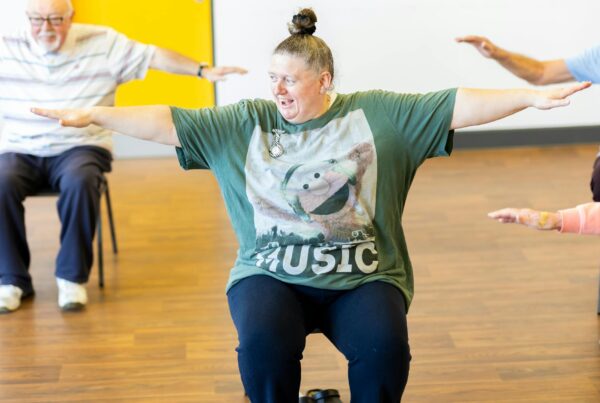
Strategy 2: Physical Activity for Lifelong Mobility Regular physical activity represents one of the most powerful interventions for healthy aging, with benefits extending to nearly every body system. The key components of a complete exercise program for older adults include aerobic activity for cardiovascular health, resistance training to preserve muscle mass and strength, balance exercises to prevent falls, and flexibility work to maintain range of motion. Even beginning exercise in later life yields significant benefits. For previously inactive individuals, starting with just 5-10 minutes of walking and gradually increasing duration proves more sustainable than beginning with longer sessions. Water-based exercises offer excellent options for those with joint pain or mobility limitations, providing resistance while reducing impact. Chair exercises can benefit those unable to stand for extended periods. The social aspect of group exercise classes or walking groups adds motivation and cognitive benefits beyond the physical activity itself. Consistency matters more than intensity—regular, moderate activity provides greater benefits than occasional vigorous sessions. Advanced Care caregivers can support exercise routines by accompanying clients on walks, assisting with prescribed exercise programs, and providing transportation to fitness classes or physical therapy appointments, helping maintain the consistency that produces lasting benefits.
Strategy 3: Sleep Optimization in Later Life Sleep architecture changes naturally with age, typically featuring less deep sleep, more nighttime awakenings, and earlier morning awakening. However, poor sleep quality and chronic sleep deprivation are not inevitable parts of aging and should be addressed. Establishing consistent sleep and wake times helps regulate the body’s circadian rhythm. Creating a restful sleep environment involves considerations like room temperature (slightly cool is optimal), minimizing noise and light, and ensuring a comfortable mattress and pillows. Limiting daytime napping to 30 minutes or less before 3 PM helps preserve nighttime sleep quality. Evening routines that limit screen exposure and incorporate relaxation techniques like gentle stretching, reading, or meditation can signal the body to prepare for sleep. Certain medical conditions common in older adults, including sleep apnea, restless leg syndrome, and nocturia (nighttime urination), significantly impact sleep and should be evaluated by healthcare providers. Medications—both prescription and over-the-counter—can affect sleep quality, warranting periodic medication reviews. Advanced Care’s medication management services and regular nurse assessments can help identify and address medication-related sleep disturbances, while caregivers can assist with implementing consistent bedtime routines that promote restful sleep.
Strategy 4: Stress Management and Mental Wellbeing Chronic stress accelerates cellular aging and contributes to numerous age-related conditions, making stress management an essential component of healthy aging. Mindfulness practices, including meditation and conscious breathing, have been shown to reduce stress hormones and inflammation while improving immune function. Even brief daily sessions of 5-10 minutes can yield benefits. Social connection serves as a powerful buffer against stress, with research consistently showing that meaningful relationships correlate with better mental and physical health outcomes. Regular engagement with supportive friends and family should be prioritized. Purpose and meaning contribute significantly to resilience and life satisfaction in older age. This may come through continued work, volunteering, creative pursuits, spiritual practice, or family roles. Cognitive reframing—the practice of consciously changing perspective on challenging situations—becomes more developed with age and can be intentionally cultivated to manage stress. Time in nature has been shown to reduce stress hormones and improve mood, with even short exposures to natural environments providing benefits. Advanced Care supports mental wellbeing through transportation to social and meaningful activities, companionship services that combat isolation, and assistance with hobbies and interests that provide purpose and joy, recognizing that psychological wellbeing fundamentally influences physical health.
Resources for Understanding and Managing Age-Related Changes
Navigating the aging process effectively requires reliable information and appropriate support. Fortunately, numerous resources exist to help older adults and their families understand and manage age-related changes.
The National Institute on Aging (NIA), part of the National Institutes of Health, offers comprehensive, evidence-based information on all aspects of aging. Their website (nia.nih.gov) provides detailed guides on health topics ranging from brain health to exercise recommendations specifically designed for older adults. The NIA also funds research centers nationwide that conduct cutting-edge aging research and often offer community education programs.
For Wisconsin residents, the Wisconsin Department of Health Services operates Aging and Disability Resource Centers (ADRCs) in every county. These centers provide objective information about services and support available locally, helping individuals navigate options for care, housing, transportation, and more. They serve as a valuable first point of contact for accessing community resources.
The Alzheimer’s Association (alz.org) offers essential resources for those concerned about cognitive changes. Their website provides information about normal versus concerning cognitive changes, tools for finding local support groups, and a 24/7 helpline (800-272-3900) staffed by specialists who can address questions about memory concerns, dementia, and caregiving challenges.
For those interested in staying physically active, SilverSneakers (silversneakers.com) provides fitness programs specifically designed for older adults, with many Medicare plans covering membership. Their programs include both gym access and online fitness classes suitable for various ability levels.
The Family Caregiver Alliance (caregiver.org) offers valuable resources for family members supporting aging loved ones. Their website includes practical caregiving tips, self-care strategies for caregivers, and information about caregiver support groups that can provide both emotional support and practical advice.
For nutrition guidance, the Academy of Nutrition and Dietetics (eatright.org) provides evidence-based information about nutritional needs as we age and can help locate registered dietitians specializing in geriatric nutrition who can provide personalized recommendations.
Medicare’s Annual Wellness Visit represents an important but underutilized resource. This yearly appointment, covered by Medicare, includes cognitive screening, functional assessments, and preventive care planning—all valuable for monitoring and addressing age-related changes proactively.
Local senior centers offer not just social opportunities but often educational programs on health topics, exercise classes, and connections to community resources. Many have adapted to provide virtual programming as well, increasing accessibility.
Advanced Care’s team includes professionals familiar with these resources who can help clients and families connect with appropriate support. Their care coordinators can help navigate the sometimes complex landscape of aging-related services, ensuring clients access the specific resources that address their unique needs and preferences.
How Advanced Care Can Help
Navigating the changes that accompany aging can be challenging, but with proper support, individuals can maintain independence, dignity, and quality of life throughout the aging process. Advanced Care offers comprehensive in-home services specifically designed to address the changing needs that occur with age.
Understanding that aging affects each person differently, Advanced Care begins with a thorough, free consultation and assessment. This process allows their professional team to develop a personalized care plan that addresses individual needs, preferences, and goals. As aging is a dynamic process, these care plans are regularly reviewed and adjusted during bi-monthly wellness assessments and annual comprehensive assessments, ensuring services evolve as needs change.
For those experiencing physical changes associated with aging, Advanced Care offers practical support that maintains dignity while promoting independence. Their personal care services assist with bathing, grooming, and dressing—activities that may become challenging due to decreased mobility or energy levels. Transfer and mobility support helps prevent falls while enabling continued movement around the home, critical for maintaining muscle strength and overall physical function. These services don’t replace clients’ abilities but supplement them appropriately, allowing individuals to conserve energy for activities that bring meaning and joy.
Nutritional changes that occur with aging require thoughtful dietary adjustments. Advanced Care’s meal preparation services ensure clients receive proper nutrition tailored to their specific health needs, whether that involves heart-healthy meals, diabetic-friendly options, or texture modifications for those with swallowing difficulties. Caregivers can prepare fresh, appealing meals that meet nutritional requirements while respecting personal preferences and cultural traditions, making mealtime both nutritious and enjoyable.
Medication management becomes increasingly important as many older adults take multiple prescriptions. Advanced Care provides medication reminders and assistance with organizing medications, helping prevent the errors that can occur with complex medication regimens. Their registered nurses conduct regular wellness checks that can identify potential medication issues before they become serious problems.
For those experiencing cognitive changes, Advanced Care offers specialized memory care support. Their caregivers receive training in communication techniques and engagement strategies appropriate for various levels of cognitive function. Simple environmental modifications and consistent routines can significantly reduce confusion and anxiety, while appropriate cognitive stimulation helps maintain function. Family members receive guidance on effective interaction approaches, enhancing visits and reducing frustration for everyone involved.
Transportation services address one of the most significant challenges many older adults face when they can no longer drive. Advanced Care provides transportation for medical appointments, ensuring clients maintain consistent healthcare. They also offer transportation for shopping, errands, and social activities, allowing continued community engagement that supports cognitive health and emotional wellbeing.
The psychological aspects of aging often receive less attention than physical changes, but Advanced Care recognizes their importance. Their caregivers provide companionship that combats the isolation many older adults experience. Through consistent, meaningful interaction, caregivers build relationships that provide emotional support during the transitions and losses that often accompany aging. For many clients, these relationships become a valued part of their support network.
Advanced Care’s team of over 250 professionals includes caregivers, care coordinators, and registered nurses who collaborate to provide holistic support. Their experience serving Wisconsin communities for over a decade has given them deep understanding of local resources and options for addressing age-related challenges.
By providing comprehensive support that addresses physical, cognitive, and emotional aspects of aging, Advanced Care enables clients to remain in their familiar home environments where they can maintain established routines and connections. This approach recognizes that while aging brings changes, with appropriate support, individuals can continue to live with purpose, dignity, and independence throughout their later years.
For those navigating the complex journey of aging—whether for themselves or a loved one—Advanced Care offers both practical assistance and peace of mind, ensuring that age-related changes are managed with compassion, professionalism, and respect for individual dignity.