Understanding Senior Depression: Warning Signs and Treatment Options
Key Takeaways
-
Depression is not a normal part of aging but affects approximately 7% of older adults, with symptoms often overlooked or misattributed to other health conditions
-
Unique warning signs of senior depression include physical complaints, social withdrawal, neglect of personal care, and cognitive changes that may be mistaken for dementia
-
Effective treatment options include a combination of medication, therapy, lifestyle modifications, and social support systems tailored to seniors’ specific needs
-
Early intervention significantly improves outcomes, with 60-80% of older adults responding well to treatment when depression is properly diagnosed
-
Contact Advanced Care for personalized in-home support services that can help seniors manage depression while maintaining independence at home
How Can You Tell If Your Elderly Loved One Is Experiencing Depression?
Depression in seniors often presents differently than in younger adults. Rather than expressing sadness, older adults may complain of physical ailments, display increased irritability, or withdraw from activities they once enjoyed. These subtle changes can be easily overlooked or attributed to normal aging, making recognition challenging for families and healthcare providers alike.
Understanding Senior Depression: A Complex Condition
Depression is a serious mental health condition that affects people of all ages, but it presents unique challenges in the senior population. Contrary to common misconceptions, depression is not a normal part of aging. However, older adults face specific risk factors that can increase their vulnerability to depression, including physical health problems, loss of independence, social isolation, and significant life changes such as retirement or the death of loved ones.
According to the Centers for Disease Control and Prevention (CDC), depression affects approximately 7% of adults aged 60 and older. However, this statistic likely underestimates the true prevalence, as depression in seniors is frequently underdiagnosed and undertreated. Many older adults grew up in an era when mental health issues carried significant stigma, making them less likely to report emotional symptoms or seek help. Additionally, healthcare providers may focus primarily on physical ailments, overlooking the psychological components of a senior’s health.
The consequences of untreated depression in older adults can be severe. Depression is associated with increased risk of cognitive decline, physical disability, and mortality. Seniors with depression experience longer hospital stays, poorer outcomes from medical treatments, and higher healthcare costs. Perhaps most alarmingly, older adults have the highest suicide rate of any age group, with men over 85 having a suicide rate nearly four times the national average.
Depression in seniors often coexists with other medical conditions, creating a complex interplay between physical and mental health. Chronic illnesses such as heart disease, diabetes, and arthritis not only increase the risk of depression but can also exacerbate its symptoms. Conversely, depression can worsen the outcomes of these physical conditions by reducing motivation for self-care, medication adherence, and physical activity.
The neurobiological aspects of aging also play a role in senior depression. Age-related changes in brain structure and function, including reduced volume in areas associated with mood regulation, may contribute to vulnerability to depression. Additionally, vascular changes common in older adults can disrupt neural pathways, potentially leading to what’s known as “vascular depression.”
Social determinants significantly impact senior mental health as well. The loss of social roles through retirement, decreased mobility limiting social interaction, and the death of friends and family members can lead to isolation and loneliness—both powerful risk factors for depression. Financial concerns, especially for those on fixed incomes, add another layer of stress that can contribute to depressive symptoms.
Understanding depression in seniors requires recognizing that it often presents differently than in younger populations. While younger adults typically report feelings of sadness or emptiness, older adults may be more likely to report physical symptoms or cognitive complaints. This atypical presentation contributes to the challenge of proper diagnosis and treatment.
The good news is that depression is highly treatable at any age. With proper diagnosis and intervention, 60-80% of older adults with depression can experience significant improvement in their symptoms and quality of life. The key lies in awareness, recognition, and access to appropriate care tailored to the unique needs of the senior population.
Warning Signs of Depression in Seniors
-
Physical Complaints and Changes: Unlike younger adults who may primarily report emotional symptoms, seniors with depression often present with physical complaints. Persistent aches, pains, digestive problems, and fatigue that don’t respond to treatment may signal underlying depression. Weight loss without dieting or decreased appetite can be particularly concerning. According to research from the Mayo Clinic, these somatic symptoms may become the primary focus for older adults, who may be more comfortable discussing physical rather than emotional distress. Additionally, sleep disturbances—either sleeping too much or experiencing insomnia—are common in depressed seniors and can significantly impact overall health and cognitive function.
-
Behavioral and Social Changes: Depression often manifests as noticeable changes in behavior and social engagement. A previously active senior may suddenly lose interest in hobbies or activities they once enjoyed, a symptom known as anhedonia. Social withdrawal is particularly concerning, as seniors may decline invitations, avoid phone calls, or resist leaving their homes. Family members might notice decreased participation in conversations or community activities. These changes can create a dangerous cycle, as social isolation itself is both a risk factor for and consequence of depression. According to the CDC, social disconnection significantly increases depression risk in older adults, making these behavioral changes important warning signs.
-
Emotional and Cognitive Indicators: While sadness is a common symptom of depression at any age, seniors may express different emotional patterns. Increased irritability, expressions of worthlessness, or persistent pessimism may be more prominent than overt sadness. Statements about being a burden, expressing hopelessness about the future, or making references to death require immediate attention. Cognitive changes are also important indicators—difficulty concentrating, slowed thinking, indecisiveness, or memory problems may be attributed to dementia when they are actually symptoms of depression. This “pseudodementia” can be reversed with proper depression treatment, unlike true dementia. The Alzheimer’s Association notes that properly distinguishing between depression and dementia is crucial for effective treatment.
-
Self-Care and Daily Functioning Changes: Depression often impacts a senior’s ability or motivation to maintain self-care routines. Family members might notice neglect of personal hygiene, missed medications, unopened mail, or a home that’s uncharacteristically unkempt. Difficulty managing daily tasks that were previously handled with ease can indicate depression. These functional changes not only signal potential depression but can create additional health risks through medication non-adherence or nutritional deficits. According to AARP resources, these changes in self-care abilities often prompt family concerns that lead to depression diagnosis in seniors.
Effective Treatment Approaches for Senior Depression
Medication Management: Antidepressant medications can be highly effective for treating depression in older adults, though special considerations apply to this age group. Selective Serotonin Reuptake Inhibitors (SSRIs) are often the first-line medication choice due to their relatively favorable side effect profile compared to older antidepressants. However, seniors typically require careful dosing adjustments, starting with lower doses and increasing gradually. Medication interactions are a significant concern, as many older adults take multiple medications for various conditions. A comprehensive medication review by healthcare providers is essential before starting antidepressant treatment.
The time frame for medication effectiveness may differ in older adults, sometimes requiring 6-8 weeks before significant improvement occurs. Consistency is crucial, as premature discontinuation can lead to relapse or withdrawal symptoms. Regular follow-up appointments to monitor both effectiveness and side effects are particularly important. Some seniors may benefit from genetic testing to identify which medications might work best for their specific biology, potentially reducing the trial-and-error process. Working with healthcare providers who specialize in geriatric medicine or psychiatry can help navigate these medication complexities.
Therapeutic Approaches: Psychotherapy has proven highly effective for depression in older adults, either as a standalone treatment or in combination with medication. Cognitive Behavioral Therapy (CBT) helps seniors identify and change negative thought patterns and behaviors contributing to depression. Problem-Solving Therapy focuses on developing skills to address specific challenges seniors face, such as health issues or living adjustments. Interpersonal Therapy can be particularly helpful for those dealing with relationship changes, grief, or role transitions common in later life.
Group therapy offers the added benefit of social connection while addressing depression symptoms. Some therapy approaches have been specifically adapted for seniors, taking into account physical limitations, cognitive changes, and life stage issues. Therapy can be delivered in various settings, including in-home options for those with mobility challenges. Research shows that combining therapy with medication often produces better outcomes than either approach alone, especially for moderate to severe depression.
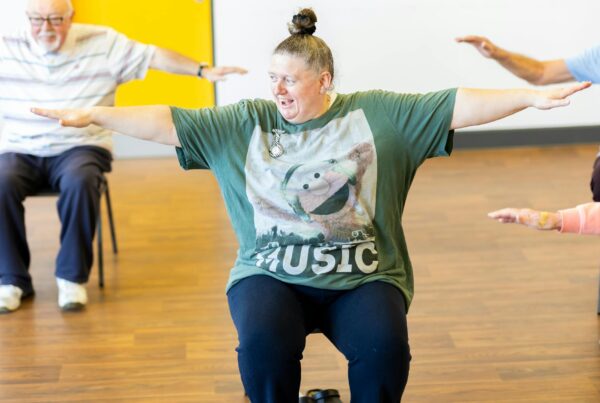
Lifestyle Modifications: Physical activity stands out as one of the most effective non-pharmaceutical interventions for depression. Even gentle exercise like walking, swimming, or chair-based movements can significantly improve mood by increasing endorphins and reducing stress hormones. Nutrition plays a crucial role as well, with diets rich in omega-3 fatty acids, antioxidants, and complex carbohydrates supporting brain health and mood regulation. Adequate hydration and limiting alcohol consumption are also important, as alcohol can worsen depression symptoms and interact with medications.
Sleep hygiene practices—maintaining regular sleep schedules, creating comfortable sleep environments, and addressing sleep disorders—can significantly impact depression management. Meaningful social engagement, whether through community activities, volunteer work, or regular family interactions, helps combat isolation and provides purpose. Creative pursuits like art, music, or writing offer emotional expression outlets and cognitive stimulation. These lifestyle approaches not only help alleviate depression but also improve overall health and quality of life.
Alternative and Complementary Approaches: Several evidence-based complementary approaches can support traditional depression treatments. Light therapy using specialized lamps can help seniors whose depression has a seasonal component or who have limited outdoor exposure. Mindfulness meditation and relaxation techniques have shown promising results for reducing depressive symptoms and anxiety in older adults. These practices can be modified for those with physical limitations or cognitive changes.
For some seniors, animal-assisted therapy provides emotional support and motivation. Interactions with therapy animals have been shown to reduce stress hormones and increase feel-good neurotransmitters. Acupuncture has demonstrated effectiveness for depression in some studies, potentially offering another option for those who don’t respond fully to conventional treatments. While these approaches shouldn’t replace evidence-based medical treatment, they can serve as valuable adjuncts that enhance overall treatment effectiveness and provide additional coping strategies.
Professional Support Resources
When depression symptoms are identified in seniors, professional evaluation is essential for proper diagnosis and treatment planning. Primary care physicians often serve as the first point of contact, but referral to mental health specialists with geriatric expertise may be beneficial. Geriatric psychiatrists and psychologists have specialized training in the unique aspects of mental health in older adults. Many communities offer senior-focused mental health services through community mental health centers, providing sliding-scale fees for those with financial concerns.
The Wisconsin Department of Health Services offers resources specifically for senior mental health, including screening programs and treatment referrals. Medicare covers mental health services, including both outpatient therapy and psychiatric care, though beneficiaries should understand specific coverage details and potential out-of-pocket costs. For those unable to travel to appointments, telehealth options have expanded significantly, providing access to mental health care from home.
Crisis resources are critically important, as depression can sometimes lead to thoughts of suicide. The National Suicide Prevention Lifeline (988) provides 24/7 support for those experiencing suicidal thoughts or severe depression. Additionally, the Institute on Aging’s Friendship Line (1-800-971-0016) specializes in supporting older adults experiencing depression, loneliness, or suicidal thoughts.
Support groups provide valuable connections with others experiencing similar challenges. Organizations like the National Alliance on Mental Illness (NAMI) offer support groups specifically for seniors and their caregivers. These groups reduce isolation while providing practical coping strategies and emotional support. Wisconsin’s Aging and Disability Resource Centers can connect seniors with local support groups and additional community resources.
Family involvement in treatment can significantly improve outcomes. With appropriate permission, including family members in some therapy sessions or medication discussions helps create a supportive environment for recovery. Educational resources help families understand depression, recognize warning signs of worsening symptoms, and learn how to support their loved one effectively.
How Advanced Care Can Help
At Advanced Care, we understand that depression in seniors requires a multifaceted approach that addresses both emotional needs and practical daily challenges. Our comprehensive in-home care services provide essential support for seniors managing depression while maintaining independence in their familiar home environment.
Our professional caregivers are trained to recognize the subtle signs of depression in older adults and provide compassionate, personalized care that supports mental wellness. Through our bi-monthly wellness assessments conducted by registered nurses, we monitor both physical and emotional health indicators, helping to identify changes that might signal depression or track improvement during treatment. This regular monitoring ensures that concerns are addressed promptly, preventing the escalation of symptoms.
Social isolation significantly contributes to depression in seniors, and our caregivers provide meaningful companionship that combats loneliness. Beyond practical assistance, our team engages clients in conversation, shared activities, and emotional connection that foster a sense of belonging and purpose. For seniors participating in depression treatment, our medication reminder services ensure consistent adherence to antidepressant medications, which is crucial for effectiveness.
Our transportation services remove barriers to accessing mental health appointments, support groups, or social activities that are vital components of depression management. Whether it’s a therapy session, psychiatrist appointment, or community engagement opportunity, our caregivers ensure clients arrive safely and on time, eliminating transportation concerns that might otherwise prevent participation in treatment.
Daily structure and routine significantly benefit those experiencing depression, and our caregivers help establish and maintain healthy daily patterns. From morning wake-up assistance to nutritious meal preparation that supports brain health, our services create the consistency that helps stabilize mood. Light housekeeping services ensure the home environment remains clean and organized, as cluttered or neglected surroundings can exacerbate feelings of being overwhelmed or hopeless.
For families concerned about a loved one’s depression, Advanced Care provides peace of mind through regular updates and professional oversight. Our care coordinators work closely with families to integrate our services with the senior’s overall depression treatment plan, ensuring a cohesive approach. We can coordinate with healthcare providers, with appropriate permissions, to ensure our in-home support aligns with therapeutic goals.
Our personalized care plans are specifically designed to address the unique challenges each senior faces with depression. Some clients may need encouragement to engage in physical activity known to improve mood, while others might benefit from assistance with light therapy or relaxation techniques recommended by their healthcare provider. Our flexible services adapt as needs change throughout the depression treatment journey.
With over a decade of experience serving seniors throughout Kenosha, Milwaukee, Ozaukee, Racine, Sheboygan, Washington, and Waukesha counties, Advanced Care brings expertise and compassion to supporting seniors with depression. Our team of over 250 professionals understands the complex interplay between physical health, emotional wellbeing, and environmental factors that influence depression in older adults.
By providing consistent, personalized support in the comfort of home, Advanced Care helps seniors manage depression while maintaining dignity and independence. Contact us today for a free consultation to discover how our customized in-home care services can be integrated into your loved one’s depression management plan, creating a comprehensive approach to improved mental health and quality of life.