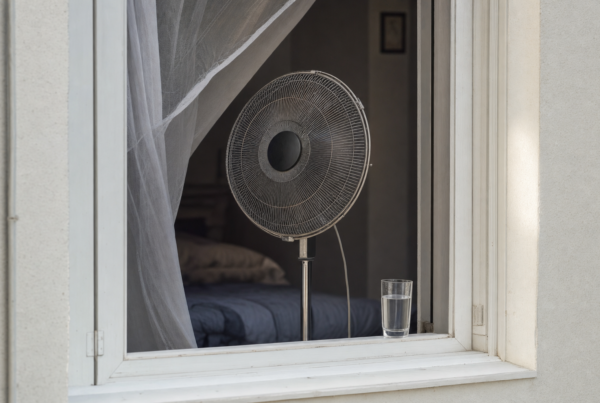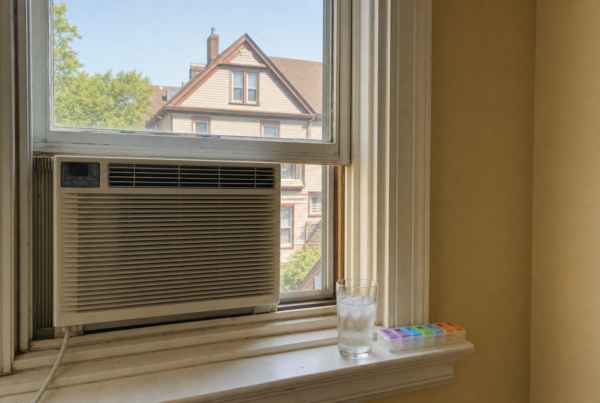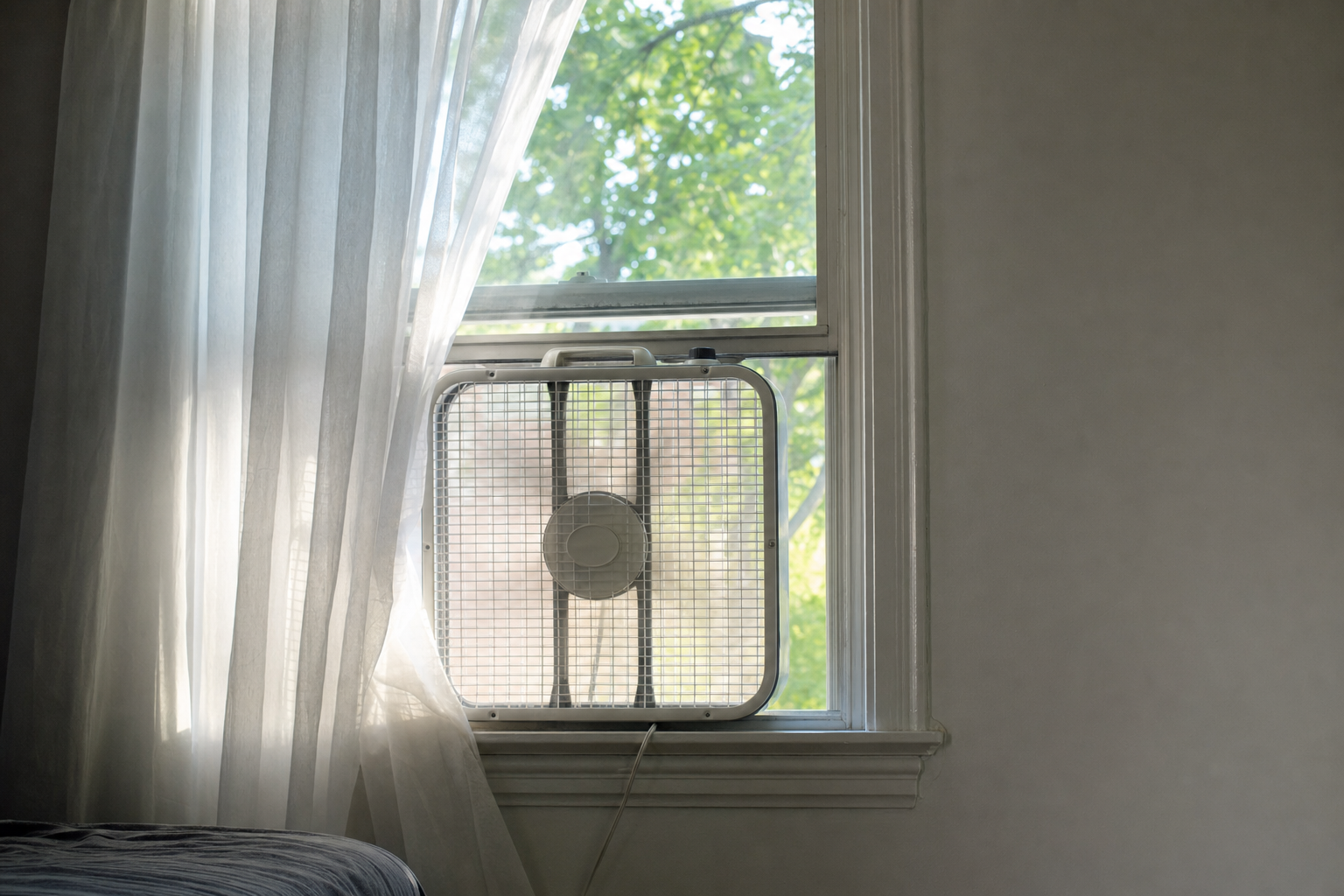
The apartment on the second floor of a duplex off North Avenue holds heat like a cast-iron pan. By the third day of an August stretch in the low 90s, the bedroom doesn’t cool down at night, the box fan is just moving warm air, and an 82-year-old on blood pressure medication is drinking half of what she should. That’s the shape of a Milwaukee heat problem. It rarely looks like an emergency until it is one.
In-home care in Milwaukee helps older adults get through August heat by putting a set of eyes and hands in the house every day, keeping fluids and meals steady, watching for the early signs of heat stress, and getting a loved one to a cooler place when the AC gives out. It’s not medical care. It’s the practical support that keeps a hot week from turning into a hospital stay.
Why Milwaukee’s August heat is hard on older adults
Milwaukee’s summers are humid. The lake keeps mornings mild and then the afternoon sits heavy, sometimes for four or five days at a stretch. Older adults feel that differently than younger ones do. The body’s ability to regulate temperature drops with age, thirst signals get quieter, and common medications for blood pressure, heart conditions, and mental health can interfere with sweating or hydration.
The National Institute on Aging lists heat stroke and heat exhaustion as year-in, year-out risks for adults over 65, and the risk climbs sharply when someone lives alone, has a chronic condition, or is in a home without central air. A lot of Milwaukee’s older housing stock, the bungalows in Bay View, the duplexes in West Allis, the older homes in Wauwatosa, was never built for a run of humid 90-degree days. Window units help one room. They don’t help the whole house.
The people most at risk in a Milwaukee August tend to share a few traits. They live alone or with a spouse who is also older. They take multiple daily medications. They have heart disease, diabetes, COPD, or kidney issues. They don’t drive anymore, or they’ve cut back. When any two of those overlap, a stretch of humid days becomes something to plan around, not ride out.
Which signs of heat stress should families watch for?
Heat stress in an older adult often shows up as confusion before it shows up as sweating. That’s the important part. A parent who seems foggy, slower than usual, or oddly quiet on a hot afternoon may already be dehydrated. Waiting for classic symptoms like heavy sweating or a red face can miss the window.
The CDC’s heat stress guidance breaks the warning signs into stages, and families in Milwaukee should know the difference:
| Stage | What it looks like | What to do |
|---|---|---|
| Heat cramps | Muscle cramps in legs or belly, heavy sweating | Move to a cool place, sip water, rest |
| Heat exhaustion | Cool clammy skin, weakness, dizziness, nausea, headache, fast pulse | Cool cloths, sips of water, cooler room, call the doctor if it doesn’t ease in an hour |
| Heat stroke | Hot dry skin, body temp over 103, confusion, slurred speech, passing out | Call 911 |
A few other signals worth watching for in an older parent: skipping a meal they’d normally eat, refusing water when offered, sleeping longer than usual during the day, or getting short with people they normally aren’t short with. Any of those on a hot afternoon deserves a phone call and a check-in.
How in-home care helps during a heat wave
In-home care during a Milwaukee heat wave is mostly about consistency. Someone comes into the home, checks the temperature of the rooms, makes sure fluids are moving, prepares a meal that doesn’t require the oven, and sits with a loved one long enough to notice if something is off. That’s the shape of it.
Concrete things a caregiver from Advanced Care can help with during a hot stretch in the Milwaukee area:
- Set out water, iced tea, or electrolyte drinks and keep track of what actually gets consumed
- Cook cool meals, sandwiches, cold pasta, cut fruit, that don’t heat up the kitchen
- Help with a cool shower or sponge bath in the afternoon
- Reposition fans, close blinds on the sunny side of the house, open windows at night when the air cools off
- Handle laundry and light housekeeping so the dryer isn’t running during the hottest part of the day
- Give medication reminders at the usual times, which matters more when routines slip in the heat
- Notice early signs of heat stress and call the family before it becomes a 911 problem
For families using Wisconsin’s Family Caregiver Program, where a family member can become a paid caregiver through Medicaid, that same person doing the shopping and check-ins during the year is the one showing up on the hot days. The relationship is already there. The parent isn’t meeting a stranger for the first time during a stressful week.
Keeping a Milwaukee home cool when budgets are tight
Not every Milwaukee family can afford to run central air around the clock, and plenty of older homes don’t have central air at all. The goal on a limited budget is to cool one or two rooms well, not the whole house.
A few things that actually help in a Milwaukee bungalow or duplex:
- Pick one room and make it the cool room. Usually a bedroom or a den on the shaded side of the house. Put the window AC there. Close the door during the day.
- Close blinds on the south and west sides in the morning, before the sun hits them. It’s easier to keep heat out than to cool a room down after.
- Open windows at night if the outdoor temp drops below indoor temp, and put a box fan in a window blowing out. Close everything up again by 8 a.m.
- Run the dishwasher, dryer, and oven late at night or early morning, not in the afternoon.
- Check on the fridge and freezer. Older units struggle in a hot kitchen, and a spoiled meal on top of a hot day is a bad combination.
Milwaukee County runs cooling centers during declared heat emergencies, and the local library branches are usually open and air-conditioned. Energy assistance programs through the Wisconsin Home Energy Assistance Program (WHEAP) can help with utility bills for households that qualify. A caregiver in the home can help a parent figure out which options apply and get the phone calls made, which is the piece that often doesn’t happen when someone is living alone and worn down by the heat.
Getting out of the heat: transportation and social outings
Sometimes the best answer on a hot afternoon is to leave the house. A parent whose second-floor apartment is 88 degrees at 4 p.m. is going to do better at a cooled library, a shopping mall, or a family member’s air-conditioned living room. The problem is getting there, especially for older adults who no longer drive.
In-home caregivers can provide transportation to appointments, errands, and social outings across Milwaukee, Wauwatosa, West Allis, Brookfield, and the surrounding communities. On a hot day that might mean a ride to a medical appointment that shouldn’t be skipped, a grocery run to a store with real AC, or a couple of hours at a cool coffee shop instead of a hot living room. Companion care time can be flexible that way.
For families in Racine, Kenosha, and further out into Waukesha County, the same service applies. A caregiver can pick up a parent, drive them to somewhere cool, sit with them for a few hours, and get them home when the sun starts to drop. It’s a simple thing that keeps a hot afternoon from becoming a hard one.
How to start in-home care before the next heat wave hits
The best time to set up in-home care is before you need it. Families who wait until a parent has landed in the ER after a heat wave are trying to arrange care during a crisis, which is harder for everyone. Setting up care in June or July, even just a few hours a week to start, means the caregiver knows the house and the routines by the time August hits.
Getting started with in-home care in the Milwaukee area usually looks like this. A family calls or fills out the contact form. An initial in-home assessment is done by a registered nurse, in person or over Zoom if that’s easier. The family and the care team talk through what’s needed: personal care, companion care, medication reminders, transportation, or some combination. If Medicaid is involved, the team can walk through how the Family Caregiver Program works and whether a family member wants to be the paid caregiver. Bilingual (Spanish-speaking) team members are available for families who need them.
None of that has to happen in a rush. It’s a conversation. Getting it started in the cooler part of summer means you’re ready for the humid week in August that always seems to catch people off guard.
FAQ
What temperature is too hot for an elderly person’s home?
Most guidance points to keeping indoor temperatures below 80 degrees for older adults, and lower for those with heart or lung conditions. The trouble in Milwaukee homes is humidity as much as temperature. A room at 78 degrees with high humidity can feel worse than 82 degrees with a fan and dry air. If a parent seems foggy or unusually tired on a hot day, cool the room down first and ask questions second.
Does Medicaid cover in-home care during a heat emergency in Wisconsin?
Wisconsin Medicaid covers in-home personal care and companion services for people who qualify, and that coverage applies year-round, not just during emergencies. Programs like IRIS and Family Care can also pay a family member to provide that care. The Wisconsin Department of Health Services has program specifics, and you can reach Advanced Care’s team to discuss what options might apply to your situation.
How quickly can in-home care start after a first call?
It varies by family and by what’s needed. The first step is a free in-home assessment with a registered nurse, which can happen in person or over Zoom. From there the timeline depends on the level of care, the payment method, and the family’s schedule. Calling before a heat wave hits gives everyone more room.
Can a caregiver stay overnight during a hot stretch?
Advanced Care offers 24/7 service availability, so overnight care is an option when a family needs it. That might be a short-term arrangement during a heat wave, or a longer schedule if a parent’s needs have shifted. The care team can talk through what makes sense.
What if my parent only speaks Spanish?
Advanced Care has bilingual, Spanish-speaking team members available for clients across the Milwaukee area. Say so on the first call and the team will match accordingly.
How Advanced Care Milwaukee can help
A hot week in Milwaukee is easier when someone is in the house. Fluids get poured, meals get made cool, blinds get closed at the right time, and small warning signs get caught before they turn into something bigger. That’s the practical work of in-home care during August.
If you or a loved one is heading into another Milwaukee summer alone in a warm house, Advanced Care offers personal care, companion care, medication reminders, and transportation across Milwaukee, Racine, Waukesha, and the surrounding communities. The Family Caregiver Program is available for families who want a relative to be the paid caregiver.
Call Advanced Care for a free in-home assessment to learn more about how in-home care could fit your family’s situation this summer.