A stretch of mid-90s days in Milwaukee does something to older adults that most families never connect to the thermometer. It changes how their parents’ blood pressure pills land. A lisinopril tablet that felt fine in April can feel very different on a humid Wednesday in Bay View. That’s the part nobody warns you about.
Medication management in Milwaukee gets harder in July and August. Heat lowers blood pressure on its own. Add a diuretic, and an 82-year-old in West Allis can end up dizzy in the kitchen. This post covers which medications are most affected, how to store them, warning signs to watch for, and how a caregiver at home can help.
Why summer heat makes medication management more dangerous for older adults
Older bodies handle heat differently. Sweat glands work less efficiently, thirst signals fade, and the kidneys concentrate urine more slowly. That’s before any pills are involved. Add three or four daily medications, which is typical for adults over 75, and the margin for error narrows.
Two things happen at once during a Milwaukee heat wave. First, the body loses more water. Second, several common medication classes either amplify that fluid loss or blunt the body’s ability to cool itself. The result is a stacking effect. A dose that was safe in May can push someone into dizziness, confusion, or a fall in late July.
The National Institute on Aging publishes clear guidance on hot-weather safety for older adults, and it’s worth reading before summer starts. The short version: heat is not a background condition for seniors on medication. It’s an active variable.
Which types of medications are most affected by heat and humidity
Some drug classes are more sensitive to summer conditions than others. This is not medical advice, and nothing here replaces a conversation with a pharmacist or doctor. But these are the categories families in Milwaukee ask about most.
| Medication type | What heat can do |
|---|---|
| Diuretics (water pills) | Speed up fluid loss, raising dehydration risk |
| Blood pressure medications | Combine with heat’s natural BP-lowering effect, causing dizziness |
| Beta blockers | Reduce the body’s ability to increase heart rate and cool down |
| Antidepressants (SSRIs, tricyclics) | Interfere with sweating and temperature regulation |
| Antihistamines | Reduce sweating and can cause confusion in older adults |
| Insulin and diabetes medications | Absorption changes if stored above 86°F; heat also affects blood sugar |
| Antipsychotics | Impair the body’s temperature control center |
The pattern is not that these drugs become dangerous overnight. It’s that they narrow the safety margin during a heat wave. A parent who tolerates their morning routine in June may struggle with the same routine in August.
For anyone on insulin specifically, storage becomes urgent. Insulin left in a hot car for 30 minutes on a Franklin driveway can lose potency. Same for EpiPens, certain thyroid medications, and some inhalers.
How to store medications safely when Milwaukee temperatures spike
Most oral medications are labeled for storage between 68°F and 77°F. That’s a narrower range than most Milwaukee homes hold in July, especially in older houses in Bay View, Riverwest, or the north side where central air isn’t standard.
A few practical rules:
- Keep pills out of the bathroom. Humidity from showers degrades tablets faster than heat alone. The kitchen or a bedroom closet works better.
- Skip the windowsill. Direct sun on a pill bottle can push its internal temperature well past 90°F even on a mild day.
- Refrigerate what the label says to refrigerate, and nothing else. Insulin, some eye drops, certain antibiotics. Regular tablets do fine at room temperature and can actually degrade in a fridge because of condensation.
- Watch the car. A closed car in a Wauwatosa parking lot can hit 130°F within an hour. Never leave a weekly pill organizer, insulin pen, or inhaler in a vehicle.
- Check expiration dates each June. Heat accelerates the breakdown of pills that were already close to expiring. Toss anything past its date before summer starts.
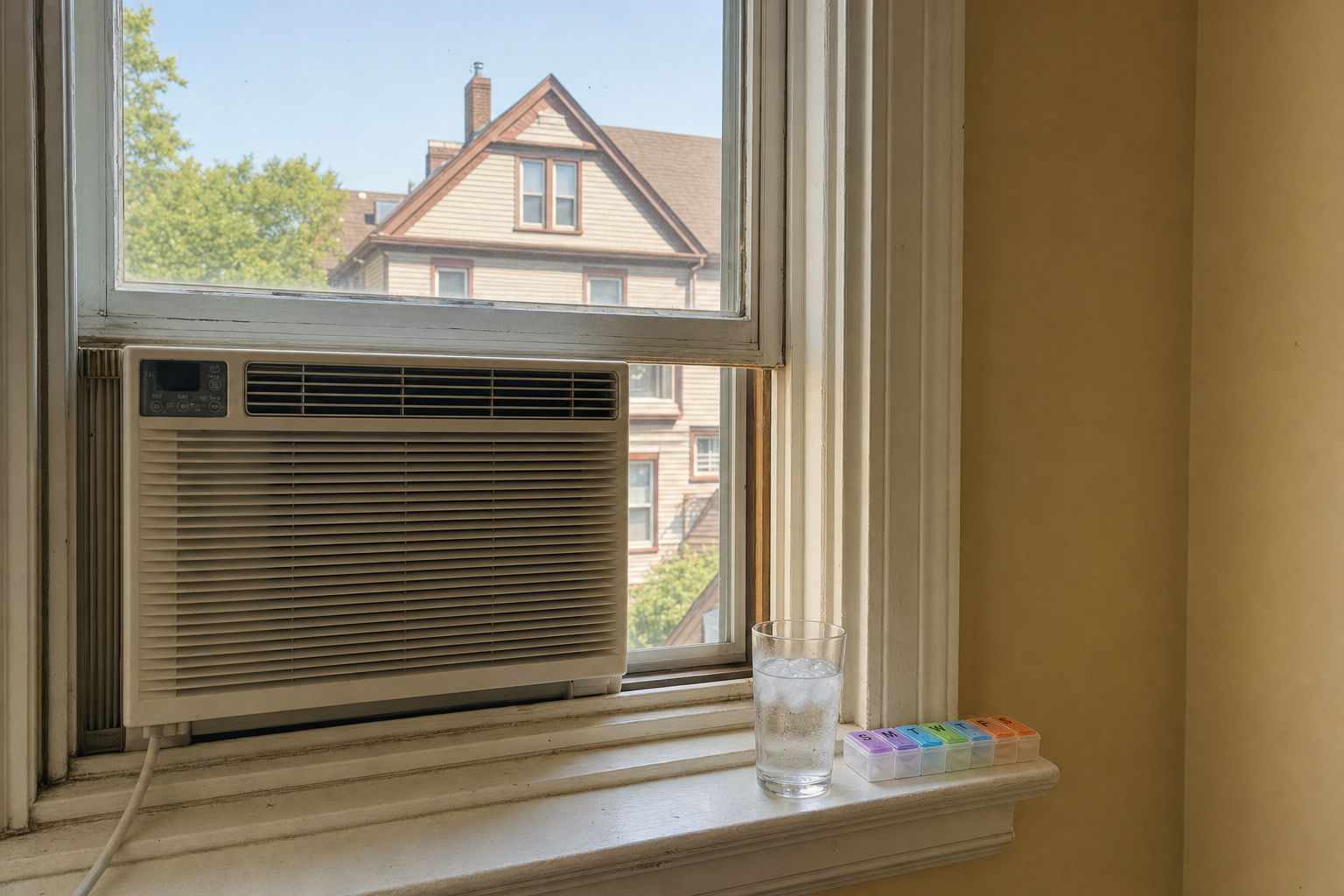
For families whose parent lives in an older two-flat without air conditioning, a single window unit in the bedroom where medications are stored is a reasonable middle-ground fix. The Wisconsin Department of Health Services also maintains cooling center information for counties across the state during declared heat emergencies.
Warning signs that heat and medication are interacting badly
The tricky part is that heat illness and medication side effects look similar. Both can cause dizziness, confusion, fatigue, and nausea. That overlap is why families miss the early signs.
Watch for these in a parent on daily medication during a Milwaukee heat wave:
- Dizziness when standing up, especially in the morning after the first dose of the day
- Confusion or unusual forgetfulness that wasn’t there a week ago
- Skin that stays hot but stops sweating, even in a warm room
- Dark yellow urine or noticeably less urine than usual
- Muscle cramps, particularly in the calves or hands
- A resting heart rate that feels faster than normal
- Falls or near-falls in familiar rooms
Any of these during a heat wave is worth a call to the prescribing doctor or pharmacist. The absence of sweating in a hot room is the one to take most seriously. It can signal heat stroke, which is a medical emergency at any age and especially over 75.
One more thing worth naming. Older adults often underreport how they feel. A parent who says "I’m fine" while sitting quietly in an 84-degree living room may not actually be fine. Trust the room temperature over the answer.
How a caregiver at home can help with medication reminders and safety checks
A caregiver in the house during a heat wave changes the math. Not because the caregiver diagnoses anything. They don’t. But because someone is in the room when the morning dose is taken, checking that the water glass gets emptied, noticing that the sweating stopped an hour ago, and adjusting the fan.
Advanced Care provides in-home care across Milwaukee, Racine, Waukesha, and the surrounding communities, including medication reminders, meal prep, and help with the practical parts of hot-weather routines. Caregivers can:
- Remind a parent to take a dose at the right time, with water, and check that it was actually taken
- Refill a weekly pill organizer from the original bottles so the storage stays controlled
- Notice early warning signs and prompt a call to the family or doctor
- Keep fluids visible and easy to reach on hot afternoons
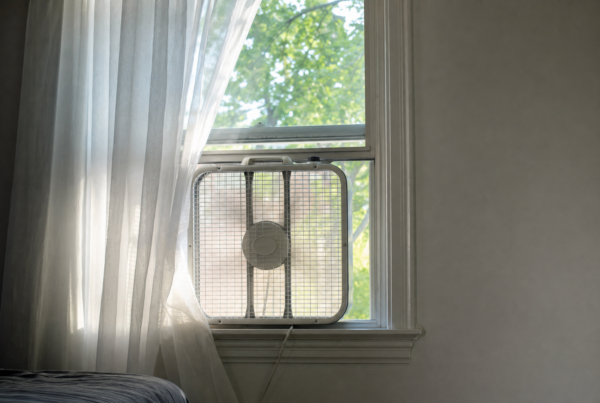
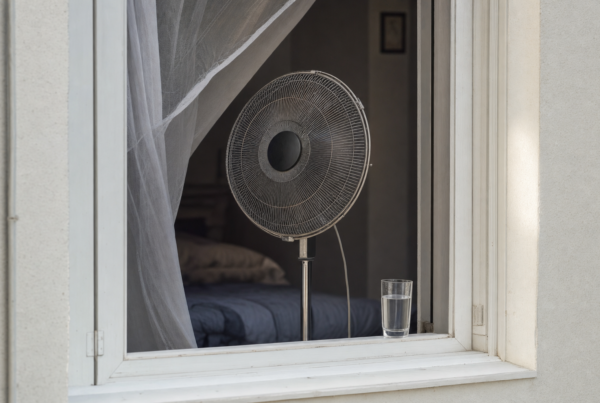
- Draw curtains, run fans, and adjust room temperature before the parent thinks to ask
- Help with bathing on days when a shower is too much effort but staying cool matters
For Milwaukee families using Wisconsin’s Family Caregiver Program, a daughter or son can become the paid caregiver through Medicaid. That means the person already checking on Mom in July can be compensated for the hours they’re already putting in. The program has rules, and they vary by case, so it’s worth a conversation before assuming eligibility.
Bilingual caregivers are available for Spanish-speaking families in Milwaukee’s south side, Racine, and Kenosha. Heat safety instructions don’t help if they’re not in the language the parent thinks in.
What Milwaukee families can do today to prepare for the next heat wave
Preparation matters more than reaction. By the time the National Weather Service issues an excessive heat warning for southeastern Wisconsin, most of the useful moves are already three weeks behind.
Here’s a short list families can work through before the next stretch of 90-degree days:
- Write down every medication your parent takes, including over-the-counter pills, supplements, and eye drops. Bring the list to their next pharmacy visit and ask which are heat-sensitive.
- Check the storage location for each one. Move anything on a windowsill or in a bathroom cabinet.
- Ask the doctor whether any doses should be adjusted during heat waves. Diuretics and blood pressure medications sometimes are, though this is a decision only the prescriber makes.
- Set up a cooling plan for the house. A window unit in one room, a fan on the main floor, blackout curtains on the west-facing windows.
- Identify a check-in system. A neighbor, a family member, or a caregiver who lays eyes on your parent at least once a day during a heat advisory.
- Put emergency numbers on the fridge. The prescribing doctor, the pharmacy, the closest urgent care, and a family contact.
None of this requires a clinic visit. Most of it can be done on a Saturday afternoon in early June, before the first heat wave rolls in off Lake Michigan.
FAQ
Can heat actually change how my mother’s blood pressure medication works?
Yes, indirectly. Heat naturally lowers blood pressure by dilating blood vessels. A medication that also lowers blood pressure can push the reading too low during a heat wave, causing dizziness or falls. This is not a reason to stop the medication. It’s a reason to talk with the prescribing doctor about summer monitoring.
Should I move my father’s pills to the refrigerator during a heat wave?
Only if the label says to refrigerate. Most oral medications do better at room temperature, and condensation inside a fridge can damage tablets. Move them to the coolest interior room instead, away from windows and bathrooms. Insulin, certain eye drops, and some antibiotics are the main exceptions.
How do I know if my parent is dehydrated or if it’s a medication side effect?
You often can’t tell from symptoms alone, because they overlap. Dark urine, dry mouth, dizziness, and confusion can be either. During a heat wave, treat any new symptom as potentially both and call the pharmacist or doctor. In-home caregivers can help track fluid intake and flag changes as they happen, Advanced Care offers medication reminders and companion care for families in the Milwaukee area.
Does Medicaid cover in-home care during summer months?
Wisconsin Medicaid programs including IRIS and Family Care may cover in-home personal care and companion services year-round for eligible adults. Eligibility rules vary by program and situation. For details on what your family might qualify for, contact the Wisconsin Department of Health Services or call Advanced Care to discuss your specific situation.
Can a family member get paid to check on a parent during heat waves?
In some cases, yes. Wisconsin’s Family Caregiver Program allows a family member to become the paid caregiver through Medicaid, provided the parent qualifies. Rules vary. It’s worth a call to talk through your specific situation before assuming one way or the other.
How Advanced Care Milwaukee can help
Summer heat and daily medications interact in ways that are easy to miss until someone falls or ends up in the emergency room. The families who handle it well aren’t the ones with the fanciest cooling systems. They’re the ones with a plan, a list, and someone reliable checking in.
If you or a loved one is managing multiple prescriptions through a Milwaukee summer and want a steadier set of eyes on the daily routine, Advanced Care offers in-home personal care, medication reminders, and companion care across Milwaukee, Racine, Waukesha, and the surrounding communities. The Family Caregiver Program may also be a fit for families where a relative is already doing the work.
Call Advanced Care for a free in-home assessment to learn more about how in-home support could fit your family’s summer routine.